
Views: 222 Author: Mega Services Publish Time: 2026-06-20 Origin: Site


Content Menu
● What To Do First When Your AC Stops Working
● 1. Dirty HVAC Filter (Most Overlooked Cause of Breakdown)
● 2. Tripped Circuit Breaker and Power Issues
● 3. Thermostat Problems and Incorrect Settings
● 4. Evaporator Coil Issues (Hidden Inside Your Home)
● 5. Dirty Condenser Coils on the Outdoor Unit
● 6. Refrigerant Leaks and Low Refrigerant Charge
● 7. Clogged Drainage Line and Water Damage Risk
● 8. Failing Capacitors and Contactors (The "Start/Stop" Heart of Your System)
● Expert Tip: Preventive Maintenance Extends System Life
● When to Repair vs. Replace Your Air Conditioner
● How Mega Services Heating & Cooling Can Help
>> 1. How often should I change my AC filter in summer?
>> 2. Is it safe to hose off my outdoor AC unit?
>> 3. Why does my AC keep freezing up?
>> 4. Can I just add more refrigerant without fixing a leak?
>> 5. What does an AC tune‑up typically include?
As an HVAC technician who has spent years in attics, basements, and backyards diagnosing "no cool" calls, I can tell you that most air conditioner breakdowns are avoidable with the right maintenance and fast response when early warning signs appear. In this guide, I'll walk you through the most common causes of AC failure, what you can safely check yourself, and when it is smarter (and cheaper long‑term) to call a professional team like Mega Services Heating & Cooling.
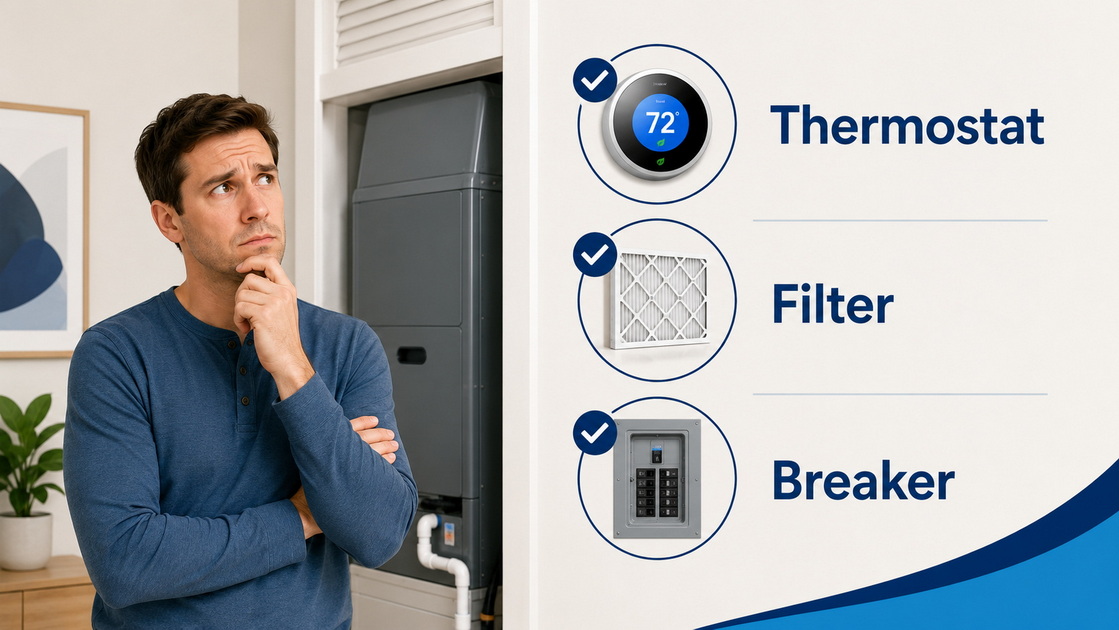
When your air conditioner suddenly stops cooling, you don't need to panic—but you also shouldn't ignore it. A small issue today (like a clogged filter or a weak capacitor) can quickly turn into a major system failure if the unit keeps struggling.
Before calling for service, there are a few safe checks most homeowners can do:
1. Check your thermostat settings.
- Make sure it is set to "cool" and the temperature is set lower than the room temperature.
- If it has batteries, replace them and see if the display or operation improves.
2. Look at your HVAC filter.
- If it is visibly dirty or hasn't been changed in the last month during heavy summer use, replace it.
- A clean filter is one of the simplest ways to restore airflow and comfort.
3. Inspect your electrical panel.
- Locate your AC breaker and see if it has tripped to the middle or "off" position.
- If it has, switch it fully off, then back on once. If it trips again, stop and call a technician.
If you've tried these basic steps and your air conditioner still isn't cooling, it's time for a professional diagnosis. Continuing to run a struggling unit can damage key components like the compressor, coils, and control board.
From the field, I can confirm that a clogged air filter is one of the most common reasons an AC stops cooling or blows warm air. When airflow is restricted, the system has to work harder, which raises energy bills and increases wear on components.
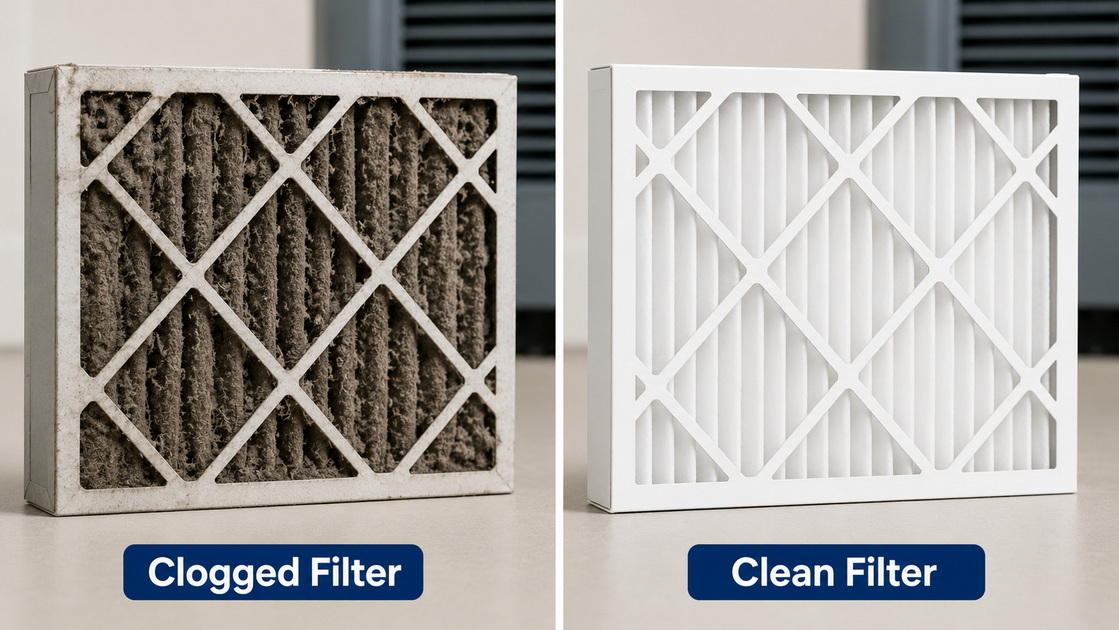
Key warning signs of a dirty filter:
- Reduced airflow from supply vents
- Rooms that feel stuffy or unevenly cooled
- Unusual "whistling" sounds from return grilles
- Ice buildup on the indoor unit in severe cases
Most standard HVAC filters only last about 30 days in heavy cooling season, and they may need changing even sooner if you have pets, allergies, or construction dust in the home. Simply replacing a dirty filter with a clean one is sometimes enough to get a "broken" AC running again. [energy]
Homeowner checklist:
- Check your filter at least once a month in summer
- Use the recommended filter size and type for your system
- Write the change date on the frame so you don't forget
If your air conditioner has lost power altogether, a tripped circuit breaker is often the culprit. Breakers trip to protect your home from electrical overloads, which can be caused by power surges, short circuits, or failing components.
What you can safely do:
- Locate your main electrical panel
- Look for a breaker labeled "AC," "A/C," or "Condensing Unit"
- If it is between ON and OFF, flip it fully OFF, then back to ON once
If the breaker trips again, do not keep resetting it—this usually means there is an underlying electrical or component problem that needs a professional technician. Forcing it repeatedly can damage the compressor or wiring.
From a technician's perspective:
On many calls, I'll find that a weak capacitor, failing compressor, or loose wiring connection is causing repeated breaker trips. The earlier we catch it, the better your chances of repairing instead of replacing major equipment.
Your thermostat is the control center of your entire HVAC system. If it is not working correctly, even a perfectly healthy air conditioner cannot do its job.
Common thermostat-related issues we see in homes:
- Thermostat accidentally set to "heat," "fan," or an incorrect mode
- Dead or weak batteries on battery-powered models
- Thermostat located in a hot/cold spot (direct sun, near an appliance)
- Misconfigured scheduling (for example, a program that raises the temperature during the day)
To quickly troubleshoot:
- Confirm the thermostat is powered (screen is on and readable)
- Set it to "cool" and "auto" fan, then set the temperature lower than current room temp
- If it uses batteries, replace them with fresh ones and test again
If everything appears correct and your AC still won't turn on, it's time to have a technician check the low‑voltage wiring, sensors, and control board. Professionals can also help you upgrade to smart thermostats that provide more precise control, usage history, and remote access. [energy]
The evaporator coil is located inside your home, usually near the furnace or air handler, and its job is to absorb heat and humidity from your indoor air. The cooled air is then pushed through your duct system to each room.
When this coil becomes dirty or restricted, it cannot absorb heat effectively, which causes indoor temperatures to rise even though the system is running. In severe cases, the coil can freeze over, leading to water damage and extended downtime.
Signs of evaporator coil problems:
- AC runs continuously but cannot reach the set temperature
- Ice buildup on refrigerant lines or the indoor unit
- Water leaking around the indoor unit as ice melts
Cleaning an evaporator coil is not a DIY job for most homeowners. The coil is sealed within the system, and improper cleaning can damage fins, cause leaks, or void warranties. A professional tune‑up includes inspecting and cleaning the coil as needed to restore efficiency and prevent breakdowns. [energy]
Your outdoor AC unit houses the condenser coil, which releases the heat absorbed from inside your home. Over time, outdoor elements—dirt, grass clippings, pollen, and seasonal debris—build up on this coil and reduce its ability to release heat. [energy]
When condenser coils are dirty:
- Your system has to run longer to achieve the same cooling
- Energy bills climb because of lower efficiency
- Components like the compressor experience more stress and heat
Light debris can sometimes be rinsed away with a garden hose, but heavy buildup often requires chemical cleaning performed by a trained HVAC technician. Professionals will also check that the unit has enough clearance around it (typically at least 2 to 3 feet) so air can flow freely through the coil. [consumerreports]
Homeowner best practices:
- Keep plants, shrubs, and stored items away from the outdoor unit
- Gently clear leaves and debris from the top and sides
- Schedule a professional cleaning before peak summer
If your AC is running but the air coming out of vents is not cool enough, a refrigerant leak is a common cause. Refrigerant is the fluid that moves heat from inside your home to the outside; when levels are low, the system cannot perform properly. [energy]
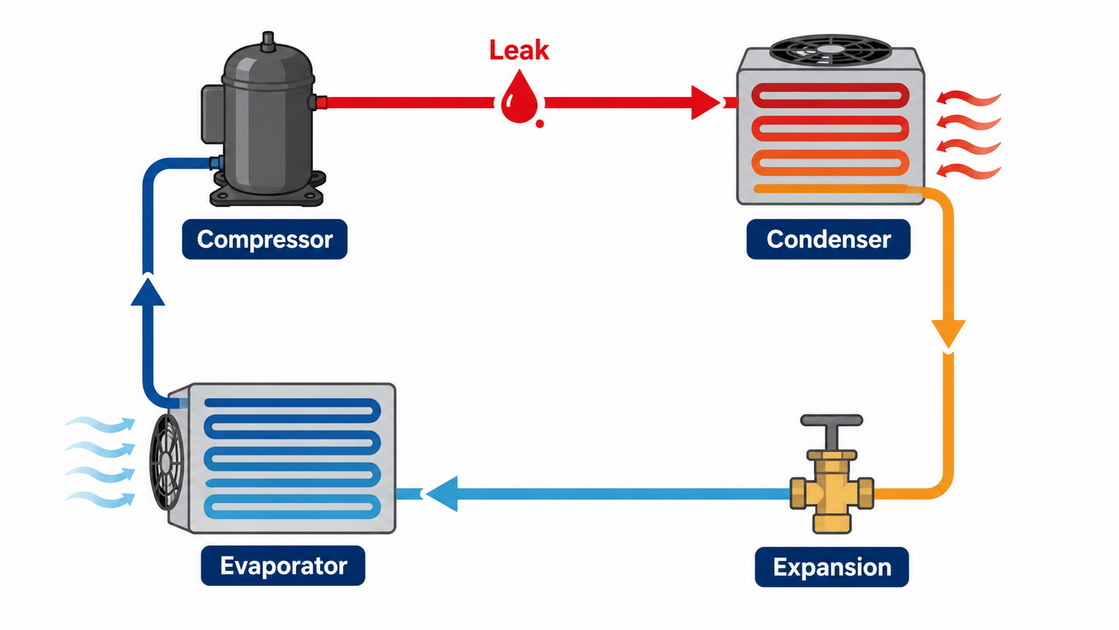
Typical symptoms of a refrigerant issue:
- Poor cooling performance and longer run times
- Ice on the refrigerant lines or evaporator coil
- Hissing or bubbling noises near refrigerant lines
- Higher indoor humidity, even when the AC is on
Diagnosing and repairing a refrigerant leak requires specialized tools and certification. During a service visit, a technician will:
- Perform a leak test to locate the source of the leak
- Repair the line or component if possible
- Recharge the system with the correct type and amount of refrigerant
In many real‑world cases, the cost of repairing a significant leak and recharging the system can approach or exceed the cost of replacing an older AC unit. A trusted technician should walk you through both repair and replacement options so you can make an informed decision about long‑term comfort and efficiency.
As your AC removes humidity from the air, the moisture collects on the evaporator coil and drains away through a condensate drain line. Dust, lint, and dirt can accumulate in this line over time, eventually causing a clog. [energy]
When the condensate line is clogged:
- The drain pan fills up and can overflow
- Water may leak onto the furnace, air handler, or surrounding surfaces
- You can see water staining or puddles near the indoor unit
- Some systems have safety switches that shut down the AC when this happens
Depending on how the drain is routed, handy homeowners can sometimes clear minor clogs with a wet/dry vacuum at the outdoor drain outlet. However, if the line is hard to reach or you are not comfortable working around your equipment, a service visit is a safer choice. Many professional tune‑ups include clearing and treating the drain line to prevent future blockages. [energy]
Two small but critical electrical parts cause a surprising number of AC breakdowns: capacitors and contactors.
The capacitor powers the motors that run the compressor and fan motors in your cooling system.
- The start capacitor provides a jolt to get the motor turning
- The run capacitor delivers ongoing jolts to keep the motor running
If a capacitor is weak or fails, your AC may:
- Struggle to start or fail to start altogether
- Make humming noises without the fan or compressor turning
- Short‑cycle, turning on and off rapidly
Replacing capacitors is a common repair during peak season, but it involves electrical safety risks and should be handled by a professional HVAC technician.
The contactor supplies voltage to the compressor and fan motor. Over time, the contact points can become burnt or pitted, making it difficult for the correct voltage to reach the components.
Symptoms include:
- Outdoor unit not turning on even though the thermostat is calling for cooling
- Intermittent operation (sometimes runs, sometimes doesn't)
- Audible buzzing from the outdoor unit
A trained technician can quickly diagnose a bad contactor and replace it to restore reliable operation.
Across all the service calls I've handled, regular maintenance is the single most effective way to prevent frustrating, costly breakdowns. A seasonal tune‑up by a qualified HVAC professional helps: [energy]
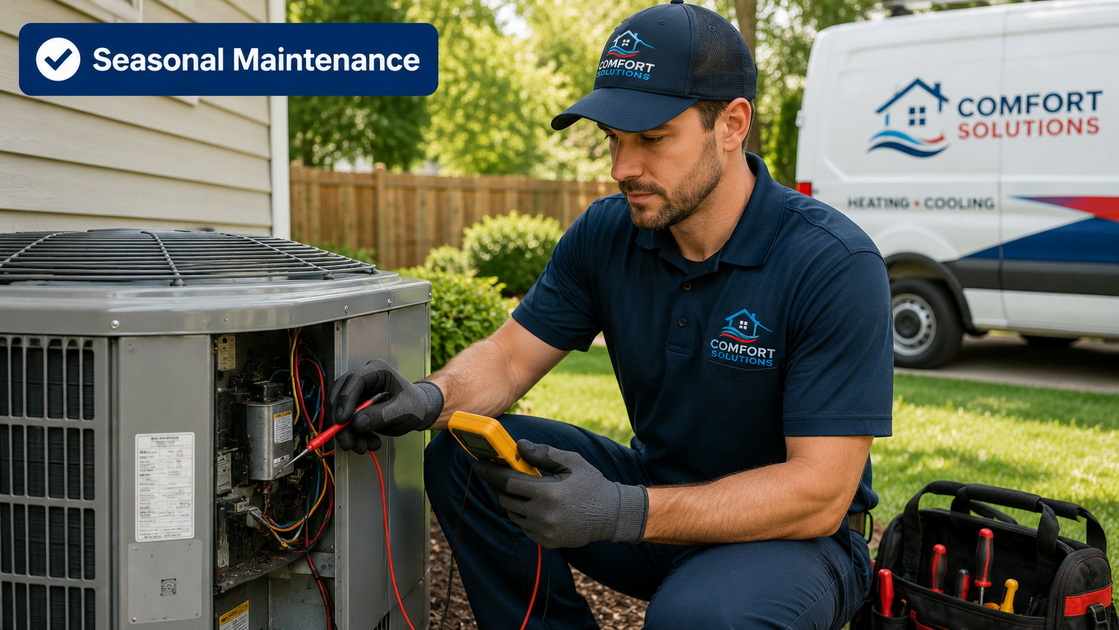
- Catch small issues (like weak capacitors or dirty coils) before they cause failures
- Keep efficiency high, reducing energy bills
- Extend the life of your air conditioner and furnace
A quality maintenance visit typically includes:
- Inspecting and testing electrical connections and components
- Checking refrigerant levels and looking for visible leaks [energy]
- Cleaning accessible coils and the condensate drain line [energy]
- Verifying thermostat operation and system performance
For homeowners, enrolling in a maintenance plan with Mega Services Heating & Cooling ensures your system is inspected on a regular schedule and that you get priority service during peak breakdown season.
One of the most common questions we hear from homeowners is: "Should I repair my AC again, or is it time to replace it?" This is especially relevant when dealing with major issues like refrigerant leaks, compressor failures, or multiple breakdowns in a short period. [energy]
As a practical rule of thumb, consider replacement when:
- Your system is 10–15 years old or more, and
- The repair cost is more than 30–40% of the price of a new system, or
- You have frequent breakdowns and rising energy bills [energy]
Modern high‑efficiency air conditioners can significantly reduce energy usage compared to older units, particularly when paired with proper installation, ductwork evaluation, and smart controls. A trusted HVAC professional should provide clear repair vs. replace options, including estimated operating cost savings over time. [energy]
At Mega Services Heating & Cooling, our mission is to create safe, comfortable, and energy‑efficient homes through expert AC and heating installation, repair, and maintenance. Drawing on years of hands‑on field experience and continuous training, our technicians are equipped to:
- Diagnose complex AC breakdowns, from electrical issues to refrigerant leaks
- Provide honest repair vs. replacement recommendations based on your system's age and condition
- Optimize your system for both comfort and efficiency, not just basic operation [hvacwebmasters]
When you schedule a visit, we take the time to explain:
- What caused your air conditioner to fail
- Which parts genuinely need replacement now
- What proactive steps you can take to avoid future breakdowns
We believe that informed homeowners make better long‑term decisions, and that transparency builds the trust modern HVAC customers expect.
If your air conditioner is blowing warm air, making strange noises, leaking water, or simply not turning on, don't wait for a complete system failure. Early diagnosis almost always means lower repair bills and less downtime.
Contact Mega Services Heating & Cooling today to:
- Schedule fast, reliable AC repair
- Book a preventive maintenance visit before the next heat wave
- Request a no‑obligation quote for a high‑efficiency replacement system
Your home comfort is too important to leave to guesswork. Let an experienced HVAC team get your system running safely and efficiently again.
Most homes should replace standard 1‑inch filters every 30 days during heavy cooling season, and more often if there are pets, allergies, or significant dust. [energy]
Gently rinsing surface dirt from the outdoor unit is usually safe, as long as the power is off first, but deep cleaning of condenser coils should be done by a professional to avoid damage. [energy]
Common causes include dirty filters, low refrigerant, poor airflow, or a malfunctioning blower. These issues reduce heat transfer and cause the coil to drop below freezing, forming ice. [energy]
No. Simply topping off refrigerant without repairing the leak is not recommended; it leads to recurring problems, higher costs, and potential environmental harm. [energy]
A professional tune‑up usually includes checking and tightening electrical connections, inspecting coils, verifying refrigerant levels, testing safety controls, and clearing the condensate drain line. [energy]
1. Logan A/C & Heat Services. "8 Common Causes of Air Conditioning System Breakdown (Refrigerant Leaks)." https://www.logan-inc.com/blog/8-common-causes-air-conditioning-system-breakdown/
2. U.S. Department of Energy – Energy Saver. "Common Air Conditioner Problems." https://www.energy.gov/energysaver/common-air-conditioner-problems
3. Consumer Reports. "Troubleshooting Air Conditioner Problems." https://www.consumerreports.org/appliances/air-conditioners/troubleshooting-air-conditioner-problems-a5432764698/
4. HVAC Webmasters. "SEO for HVAC Companies: Comprehensive Guide." https://www.hvacwebmasters.com/hvac-seo/
5. Edge Online. "What Your Website Needs To Meet Google's E‑E‑A‑T Guidelines." https://www.edgeonline.com.au/knowledge/how-to-meet-googles-e-e-a-t-guidelines/
6. HVAC Webmasters. "160 Outstanding HVAC Blog Topics & Ideas for 2026." https://www.hvacwebmasters.com/5-hvac-blog-topics/


