
Views: 211 Author: Mega Services Publish Time: 2026-09-30 Origin: Site


Content Menu
● Why National HVAC Tech Day Matters
● What an HVAC Technician Does Beyond Repairs
>> Finds the cause, not just the symptom
>> Checks conditions that affect safe operation
>> Helps the system perform as intended
● What Happens During an HVAC Maintenance Visit?
● Three Questions to Ask Your HVAC Technician
>> "What did you find that supports this repair?"
>> "How was the replacement system sized?"
>> "Who will perform any refrigerant work?"
● What Homeowners Can Do Between Service Visits
● When Should You Call for HVAC Service?
● How to Thank an HVAC Technician
● A Better Way to Honor the People Behind Comfort
>> 1. When is National HVAC Tech Day?
>> 2. How often should I schedule HVAC maintenance?
>> 3. What should I expect after a maintenance visit?
>> 4. Can changing my air filter help my HVAC system?
>> 5. Does poor cooling mean I need a new air conditioner?
>> 6. Why should I ask about system sizing before replacing equipment?
>> 7. Is it safe to add refrigerant myself?
>> 8. What should I do if my carbon monoxide alarm sounds?
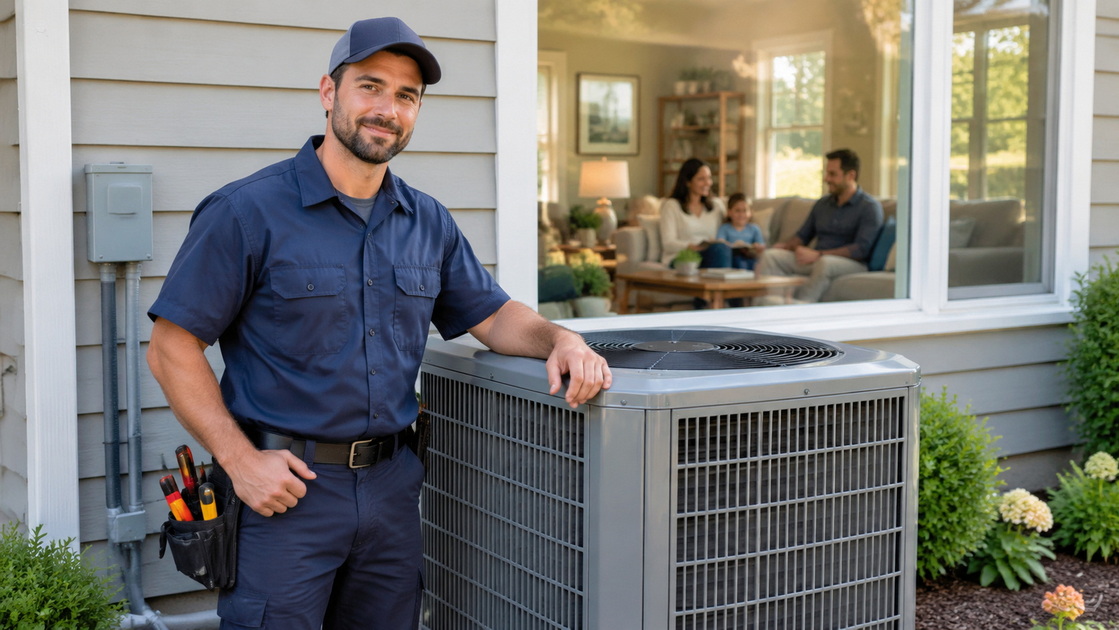
National HVAC Tech Day, observed on June 22, recognizes the technicians who install, repair, and maintain the heating and cooling systems families rely on. Their work is about more than restoring cool air on a hot afternoon. It can help homeowners understand equipment problems, prepare for seasonal demands, and make informed decisions about comfort, safety, and energy use.
At Mega Services Heating & Cooling, we believe the best way to appreciate a technician is to understand the care and judgment behind the work. A good service visit should leave you with more than a working system. It should leave you knowing what was found, what was done, and what to watch for next.
National HVAC Tech Day began in 2016 as an initiative by ARS/Rescue Rooter. It recognizes professionals who often work in difficult conditions—from hot attics to cramped crawl spaces—to keep homes and businesses comfortable.
Most homeowners notice their HVAC system only when something changes. A bedroom stays warm. The furnace makes an unfamiliar sound. The air conditioner runs longer than expected. The technician arriving at the door must turn those observations into a diagnosis, explain the options, and perform the work safely.
That takes more than knowing how to replace a part. A home's comfort depends on how its equipment, controls, airflow, and ductwork work together. One symptom can have several possible causes. Careful diagnosis helps avoid paying for a repair that does not solve the underlying problem.
National HVAC Tech Day is a fitting moment to say thank you. It is also a reminder to make thoughtful HVAC decisions throughout the year.
"The AC is running, but the house is still warm" is useful information. It is not, by itself, a diagnosis.
Depending on the equipment and the complaint, a technician may check the thermostat, electrical connections, system controls, airflow, coils, condensate drainage, and refrigerant level. The aim is to determine which finding explains the problem before recommending a solution.
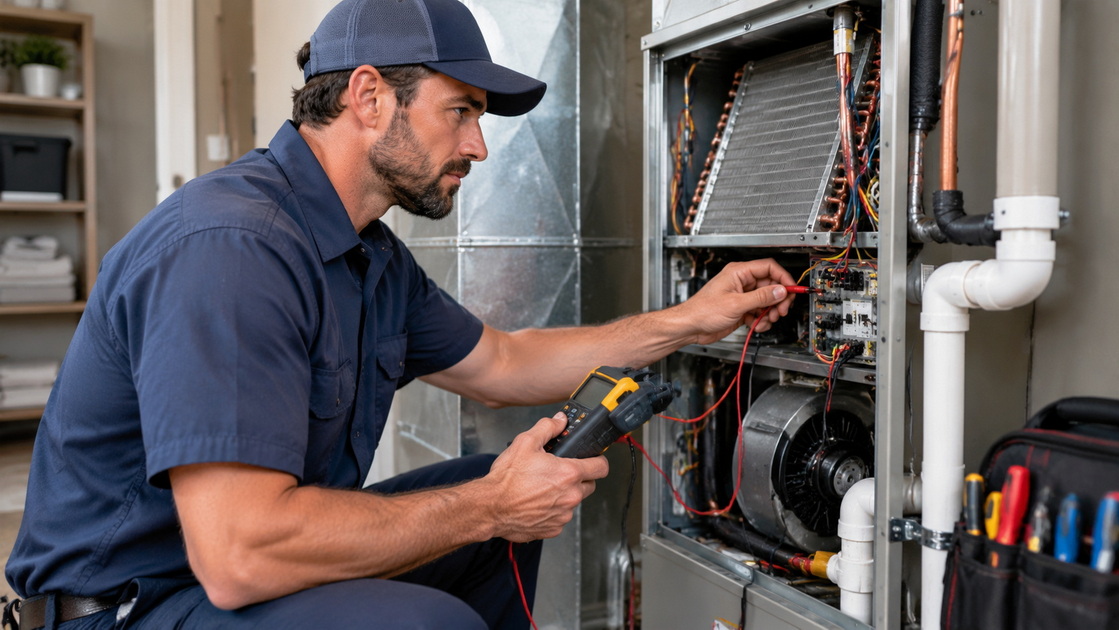
Homeowners can help by describing what they have observed:
- Which rooms feel uncomfortable?
- When did the problem begin?
- Does it happen all day or at certain times?
- Have you noticed water, unusual sounds, or repeated shutdowns?
- Has anyone recently changed the thermostat settings, filter, or equipment?
A short record of symptoms can make a visit more productive. It also gives you a way to judge whether the recommended work addresses the issue you called about.
Heating service has a particular safety dimension when equipment burns gas or oil. A heating inspection may include checking fuel connections, burner operation, gas pressure, and the heat exchanger, as appropriate for the system.
Carbon monoxide is an important reason to take fuel-burning equipment seriously. It has no color or smell, so you cannot rely on your senses to detect it. Homes with fuel-burning appliances should have working carbon monoxide detectors near sleeping areas and arrange annual service by a qualified technician.
If a carbon monoxide alarm sounds, leave the building and seek emergency help. Do not stay inside to investigate the furnace or assume the alarm is mistaken.
A system can switch on and still perform poorly. Dirty cooling coils may make it run longer. Restricted airflow can leave rooms uncomfortable and reduce efficiency. A drainage problem can cause water damage or affect indoor humidity.
These findings do not mean every tune-up will produce a predictable reduction in energy bills. The effect depends on the home, weather, equipment, and specific problem. A trustworthy technician should explain what is happening in your system rather than promise a fixed saving.
A useful maintenance visit is more than a quick glance at the equipment. The work varies by system and season, but you should receive a clear account of the areas inspected and any concerns found.
| Area | What a technician may check | Why it matters |
|---|---|---|
| Thermostat and controls | Settings, startup, operation, and shutdown | Helps confirm the system responds as intended |
| Electrical components | Connections and relevant motor readings | Can reveal operating or safety concerns |
| Condensate drainage | Drain condition and signs of blockage | Helps identify potential water or humidity problems |
| Cooling components | Coils, airflow, and refrigerant level where appropriate | Helps assess cooling performance |
| Fuel-burning heating | Connections, combustion, and heat exchanger condition | Helps identify performance and safety concerns |
Not every item applies to every home. A heat pump, central air conditioner, and fuel-burning furnace have different components and service needs. The technician should be able to explain which checks apply to your equipment.
Before the visit ends, ask for a service summary that separates three things: what needs attention now, what can be monitored, and what may be worth improving later. If a major repair is proposed, request an explanation of the finding and how the work is expected to address it.
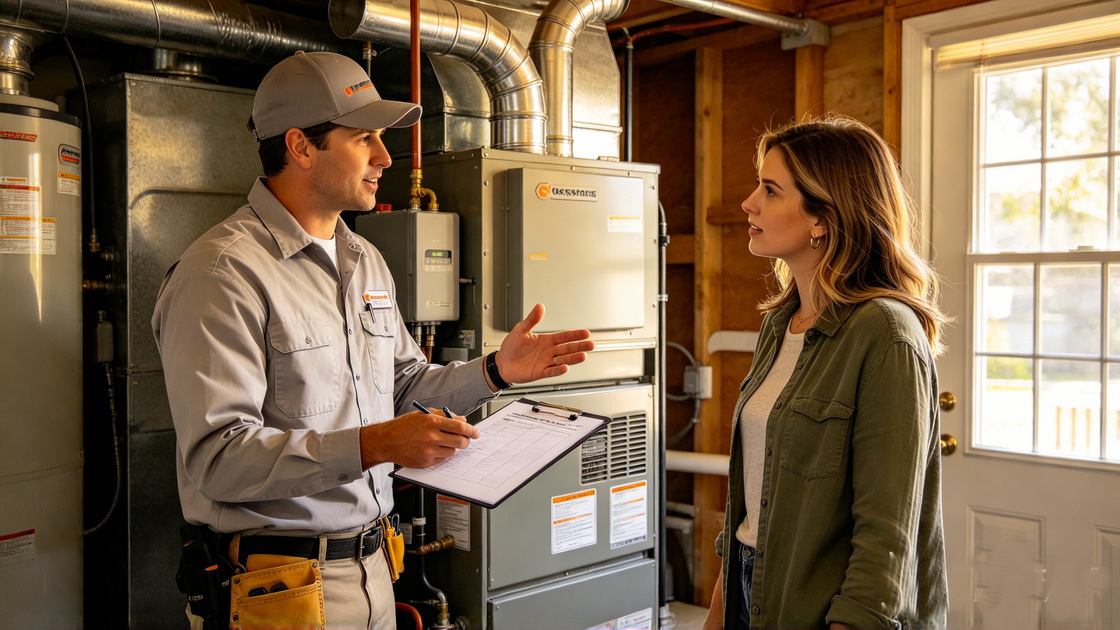
Good questions do not require technical expertise. They help you understand the recommendation well enough to make a decision.
Ask the technician to show you the relevant observation, measurement, or test result when practical. Then ask how the proposed work addresses that finding.
If more than one repair option exists, request a plain-language explanation of the differences. An immediate safety concern should be clearly distinguished from a preventive recommendation or optional improvement.
If you are considering new heating or cooling equipment, ask how the proposed capacity was determined. Matching the size of an old unit does not necessarily establish what the home needs today.
A residential load calculation accounts for the heating and cooling demands of the home. Equipment selection and duct design are related but separate steps. If rooms have long been uncomfortable or airflow has been poor, ask whether those conditions were assessed before approving a replacement.
Bigger is not automatically better. The goal is equipment selected for the home and supported by a suitable distribution system.
Certain cooling repairs involve connecting gauges or handling refrigerant. Covered work requires the appropriate technician certification under federal refrigerant rules.
If someone recommends adding refrigerant, ask what was diagnosed and whether a leak or another underlying issue needs attention. Refrigerant work is not a homeowner maintenance task.
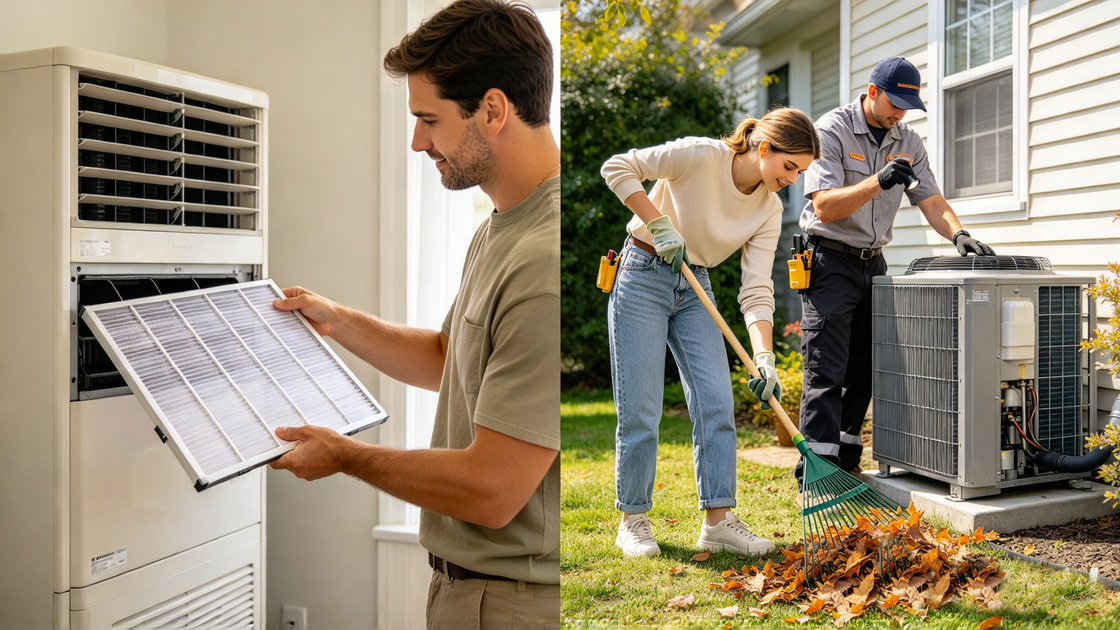
Professional service matters, but everyday observations matter too. A simple seasonal routine can help you notice changes before they become harder to describe.
1. Check the air filter regularly. Inspect it monthly and clean or replace it as needed, following the equipment and filter manufacturer's instructions. A dirty filter can increase operating costs and put strain on equipment.
2. Keep equipment accessible. Remove ordinary clutter around indoor units and keep the area around outdoor equipment clear of loose debris. Do not open cabinets or touch electrical components to do this.
3. Plan seasonal check-ups. Schedule cooling service before the hottest part of the year and heating service before the coldest, where practical. This provides time to discuss findings before you depend heavily on the system.
4. Pay attention to patterns. Note uneven temperatures, weak airflow, water near equipment, unfamiliar sounds, or frequent starts and stops. Tell the technician when each issue occurs.
5. Maintain carbon monoxide detectors. If your home has fuel-burning equipment, follow detector instructions and make sure alarms near sleeping areas are working.
6. Save service records. Keep past findings, repair details, and equipment information in one place. These records can help during future visits.
Leave electrical repairs, fuel-system work, combustion checks, and refrigerant service to appropriately qualified professionals. Home maintenance should help you recognize a problem—not require you to diagnose a hazardous one.
Call a qualified professional when your system stops heating or cooling reliably, airflow changes noticeably, water appears near equipment, or the system repeatedly fails to start or shuts down. Describe what you have observed and ask whether it is appropriate to continue running the equipment while you wait for service.
Some situations require a different response. If a carbon monoxide alarm sounds, leave the building and seek emergency help. Do not wait for a routine appointment.
For nonemergency problems, you do not have to decide in advance whether you need maintenance, a repair, or a replacement. The purpose of a diagnostic visit is to establish what is wrong and discuss reasonable next steps.
Appreciation does not need to be elaborate. A sincere thank-you, a drink of water during a hot visit, or a thoughtful message to the company can mean a great deal. If you leave a public review, describe the service you actually received and ask permission before sharing a technician's name or photo.
You can also make a service visit easier by providing access to the equipment, sharing a clear description of the problem, and giving the technician time to investigate it. If you would like to offer a gift or tip, check the company's policy first.
These gestures recognize something easy to miss: the hours spent learning, troubleshooting, working in uncomfortable spaces, and explaining complex findings to homeowners.
National HVAC Tech Day lasts one day, but reliable home comfort depends on skilled work throughout the year. Thank the technicians who have helped your household. Keep up with the maintenance you can safely do, ask questions when a recommendation is unclear, and expect explanations grounded in what was found.
If your heating or cooling system needs an inspection, repair, or installation assessment, contact Mega Services Heating & Cooling. Tell us what you have noticed so the visit can begin with the concern that matters most to your home.
National HVAC Tech Day is observed on June 22. It began in 2016 to recognize the work of heating, ventilation, air-conditioning, and refrigeration technicians.
Annual pre-season check-ups are recommended. Spring is a practical time to check cooling equipment, while fall is a practical time to check heating equipment. Your system and manufacturer's instructions may call for additional attention.
You should understand what was inspected, what the technician found, whether anything needs prompt attention, and what work—if any—is recommended. Ask for the findings in writing when a significant repair is proposed.
Yes. A clean filter supports proper airflow, while a dirty one can increase energy costs and strain equipment. Check it regularly and follow the replacement guidance for your filter and system.
Not necessarily. Poor cooling can have several causes. A diagnosis can help determine whether the right next step is maintenance, a repair, or an assessment for replacement.
The capacity of your old unit may not accurately reflect your home's needs. A residential load calculation helps determine heating and cooling requirements before equipment is selected.
No. Refrigerant service should be performed by an appropriately certified technician. If a system appears to need refrigerant, ask what testing supports that finding and whether an underlying problem needs repair.
Leave the building immediately and seek emergency help. Do not remain inside to find the source or restart heating equipment until the situation has been addressed.
1. Air Conditioning Contractors of America. "." Background on the observance and ways to recognize technicians.
2. ENERGY STAR. "." Guidance on seasonal check-ups, inspection items, airflow, and filters.
3. Centers for Disease Control and Prevention. "." Guidance on carbon monoxide risks, detectors, and annual service of fuel-burning appliances.
4. U.S. Environmental Protection Agency. "." Requirements for technicians performing covered refrigerant work.
5. Air Conditioning Contractors of America. "." Residential heating and cooling load-calculation guidance.
6. Air Conditioning Contractors of America. "." Overview of load calculations, equipment selection, and duct design.


