
Views: 213 Author: Mega Services Publish Time: 2026-06-23 Origin: Site


Content Menu
● Understanding AC‑Related Headaches
● Can Air Conditioning Cause Headaches?
>> Common Mechanisms Behind AC‑Triggered Headaches
● Expert Insight: Environmental Triggers You Can Control
>> 1. Dehydration and Low Humidity
>> 2. Temperature Swings and "Thermal Shock"
● How Indoor Air Quality Affects Headaches
>> 3. Dust, Allergens, and Chemical Irritants
● Noise, Vibration, and Headaches
>> 4. Mechanical Noise as a Hidden Trigger
● When to Call a Doctor vs. an HVAC Professional
>> 5. Medical Red Flags You Shouldn't Ignore
>> 6. When an HVAC Expert Should Be Your First Call
● Practical Steps to Prevent AC‑Related Headaches
>> 7. Daily Habits for Headache‑Free Comfort
>> 8. Maintenance Checklist from an HVAC Expert's Perspective
● Mega Services Heating & Cooling: How We Protect Your Comfort
>> 9. Our Approach as a Local HVAC Partner
>> 10. When It's Time to Consider an Upgrade
● Call to Action: Get Help from Mega Services
● Frequently Asked Questions (FAQ)
>> 1. Why do I get a headache every time the AC turns on?
>> 2. Can dirty air filters really cause headaches?
>> 3. What temperature should I set my AC to if I'm prone to headaches?
>> 4. Will a new AC system stop my headaches?
>> 5. How often should I schedule professional maintenance to prevent issues?
Headaches related to air conditioning are usually preventable when you combine smart indoor comfort habits with properly maintained HVAC equipment and professional support from a trusted local company like Mega Services Heating & Cooling. This guide blends real homeowner concerns with field experience from licensed technicians to help you stay cool without sacrificing your health or comfort. [onehourheatandair]

Air conditioning itself is not "bad," but certain conditions created by AC use can increase the risk of headaches and migraines in sensitive individuals. These conditions often include overly dry air, sudden temperature swings, poor indoor air quality, and noisy or poorly maintained equipment. [firstclasshvac]
From an HVAC expert's perspective, most AC‑related headache issues fall into two categories:
- Environmental triggers: Dry air, cold drafts, strong temperature contrasts, or recirculated pollutants. [jeancoutu]
- Mechanical issues: Dirty filters, blocked vents, failing components, or improperly sized/installed equipment. [jeancoutu]
The good news: both categories are manageable with the right combination of habits, home adjustments, and professional HVAC support. [web.ecreee]
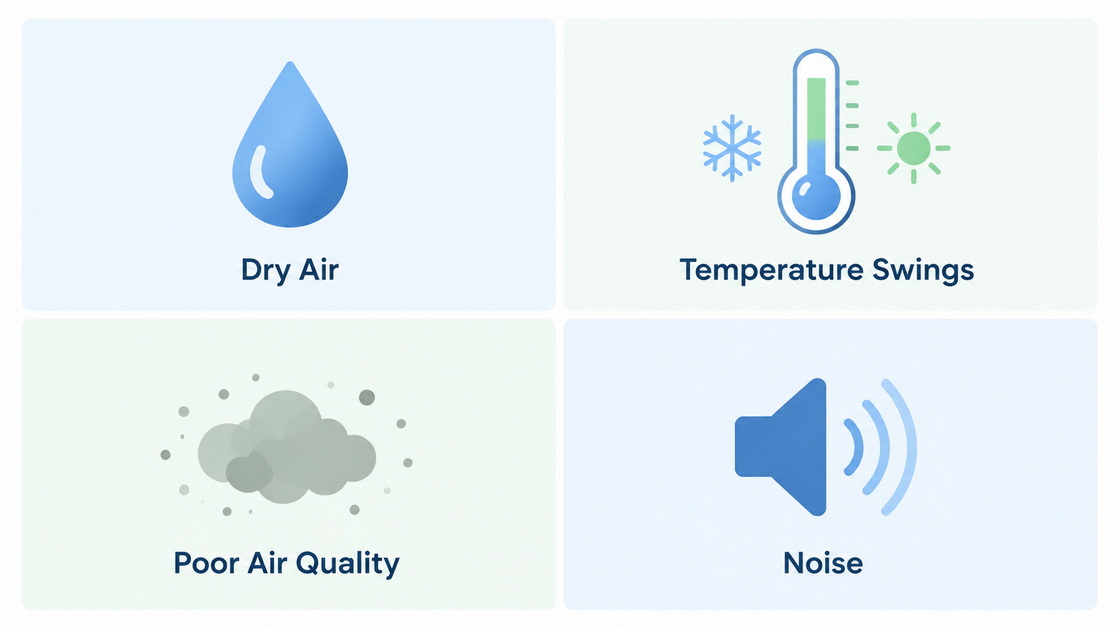
Based on current research and field observations, AC‑related headaches usually involve one or more of the following mechanisms: [nature]
- Dehydration and dry air
AC removes moisture from indoor air as it cools it, which can lead to dry airways and mild dehydration over time if you don't drink enough water. Dehydration is a well‑known trigger for tension headaches and migraines. [docs.iza]
- Blood vessel changes from cold exposure
Very cold air can cause blood vessels in your head and neck to constrict, which can contribute to headache pain in some individuals. [brunet]
- Noise and vibration from the system
Older or poorly maintained units may produce persistent humming, rattling, or high‑frequency sounds that can trigger or worsen headaches for noise‑sensitive people. [onehourheatandair]
- Indoor air pollutants and allergens
Dust, pollen, cleaning chemicals, and microbial contaminants can circulate through the duct system if filters, coils, and drain pans are not properly cleaned. Research on indoor air quality has linked elevated pollutants such as particulate matter and carbon monoxide to headaches and other "sick building" symptoms. [nature]
Not everyone will experience headaches from these factors, but if you already struggle with migraines, sinus issues, allergies, or asthma, your threshold can be much lower. [jeancoutu]
From both medical and HVAC standpoints, dry, cooled air is one of the most common and fixable triggers for AC‑related headaches. [onehourheatandair]
Why it matters:
- Cooling processes often reduce indoor humidity to levels that dry out nasal passages and skin. [web.ecreee]
- Mild dehydration can cause headaches, fatigue, and difficulty concentrating. [docs.iza]
What you can do at home:
- Drink water consistently throughout the day; don't wait until you feel thirsty. [onehourheatandair]
- Use a whole‑home or portable humidifier in rooms where you spend the most time, aiming for a relative humidity of roughly 40–50% as a comfort baseline. [web.ecreee]
- Avoid overcooling; higher thermostat settings reduce how much moisture is removed from the air. [web.ecreee]
Where Mega Services helps:
A licensed technician from Mega Services Heating & Cooling can recommend humidification solutions compatible with your existing HVAC system and help you calibrate settings to balance comfort, energy use, and indoor air quality.
Another major trigger is the sharp contrast between indoor and outdoor temperatures, especially during heatwaves. [brunet]
Why it matters:
- Health organizations recommend keeping indoor–outdoor differences within about 5–8°C (9–14°F) to reduce stress on your body and avoid headaches, fatigue, and respiratory irritation. [brunet]
- Stepping repeatedly between very cold indoor air and hot outdoor air can stress blood vessels and nervous systems, especially in migraine‑prone individuals. [brunet]
Practical strategies:
1. Set moderate thermostat targets
- Aim for comfortable, not "cold" (for many homes, 74–78°F / 23–26°C works well). [brunet]
2. Stage your transitions
- If you're leaving home, raise the thermostat gradually instead of shutting the system off completely. [brunet]
- Before going outside, turn the AC up a few degrees so your body isn't shocked by the sudden temperature change. [firstclasshvac]
3. Avoid direct cold drafts
- Move seating areas or desks away from supply vents and avoid sitting right under a blasting ceiling register. [firstclasshvac]
Mega Services technicians can adjust vent placement, airflow balance, and zoning to reduce cold spots and drafty areas that commonly trigger headaches around vents and in home offices.
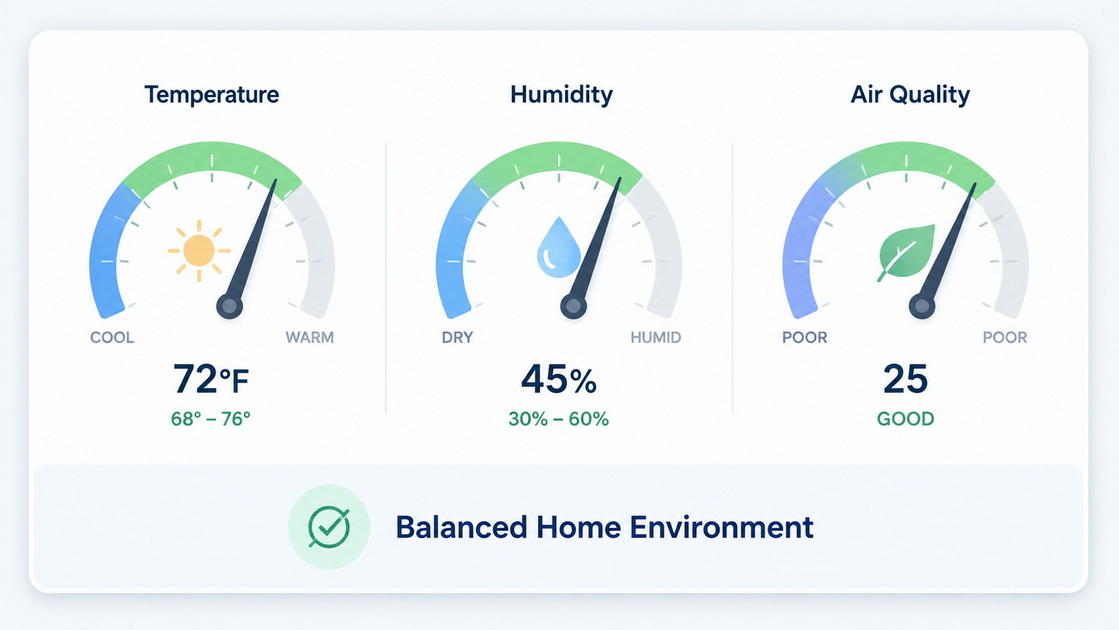
Modern homes often operate with tight building envelopes to save energy, which means whatever is in your air tends to stay there. Poor filtration and dirty ducts allow dust, pollen, pet dander, and even volatile chemicals to circulate through your AC system. [jeancoutu]
Studies on indoor air quality show that elevated pollutants such as particulate matter and combustion by‑products can contribute to headaches, nausea, and other "sick building syndrome" symptoms. [nature]
High‑impact actions:
- Upgrade your filter
- Use a quality filter rated for your system (e.g., mid‑range MERV filters that balance filtration and airflow). [jeancoutu]
- Replace or clean filters every 1–3 months, or more often if you have pets or allergies. [firstclasshvac]
- Control sources of chemicals
- Reduce the use of strong cleaning products and aerosols.
- Ensure good ventilation when painting, cleaning, or using solvents. [jeancoutu]
- Schedule professional cleaning
- Have a qualified HVAC technician inspect coils, drain pans, and ductwork for dust and microbial growth. [jeancoutu]
Mega Services offers professional inspections and cleaning services to restore healthy airflow, remove contaminants, and verify that your system is not contributing to recurring headaches through poor indoor air quality.
For some people, a constant humming compressor, rattling ductwork, or high‑frequency fan noise can be just as triggering as bright lights or strong smells. [onehourheatandair]
Common noise sources include:
- Aging outdoor condensers with failing fan motors.
- Poorly secured ductwork or loose panels that vibrate.
- Indoor blower motors running at high speed due to airflow restrictions or incorrectly configured fan settings.
Mitigation options:
- Professional tune‑up: Technicians can lubricate moving parts, tighten components, balance fans, and adjust blower speeds to minimize noise.
- System upgrades: Newer systems, especially variable‑speed units, often run much more quietly than older single‑speed models. [web.ecreee]
- Acoustic improvements: In some cases, adding insulation or adjusting duct routes can reduce transmitted noise into bedrooms or offices.
If you routinely develop headaches after your system turns on, pay attention to whether noise, not just temperature, might be part of the problem.
While environmental changes can help, there are clear situations where you should prioritize medical evaluation: [onehourheatandair]
- Headaches that are sudden, severe, or "the worst ever."
- Headaches accompanied by confusion, vision changes, weakness, or difficulty speaking.
- Headaches with fever, neck stiffness, or chest pain.
- Headaches that persist despite environmental and HVAC adjustments.
In these cases, contact your physician or emergency services first; then you can address any HVAC issues once serious medical causes have been ruled out. [onehourheatandair]
You should contact a professional HVAC company such as Mega Services Heating & Cooling when:
- Your headaches consistently appear when the AC is running and ease when it is off. [onehourheatandair]
- You notice musty smells, visible mold, or dust buildup around vents. [jeancoutu]
- Your system is over 10–15 years old and increasingly noisy or unreliable. [web.ecreee]
- Rooms are unevenly cooled, with cold spots that make some areas uncomfortable.
A comprehensive professional inspection can reveal issues like undersized ducts, improper refrigerant charge, or hidden moisture problems, which you cannot safely diagnose on your own. [web.ecreee]
Use these simple daily routines to protect your comfort and health:
1. Hydrate and humidify
- Keep a reusable water bottle nearby and sip regularly.
- Use a humidifier if indoor humidity consistently drops too low. [onehourheatandair]
2. Set realistic temperatures
- Start by setting your thermostat around 74–78°F (23–26°C) and adjust gradually. [brunet]
- Avoid sudden large changes in temperature.
3. Manage airflow
- Don't sit directly under vents or in front of strong airflow. [firstclasshvac]
- Use ceiling fans to gently circulate air so you can raise the thermostat slightly without losing comfort.
4. Keep vents open and clear
- Avoid blocking vents with furniture, drapes, or boxes.
- Closed vents can cause pressure imbalances and noise, increasing discomfort.
5. Take short "fresh air" breaks
- When outdoor conditions allow, open windows briefly to dilute indoor pollutants. [jeancoutu]
These behavioral changes complement professional maintenance and can significantly reduce the frequency of AC‑related headaches.
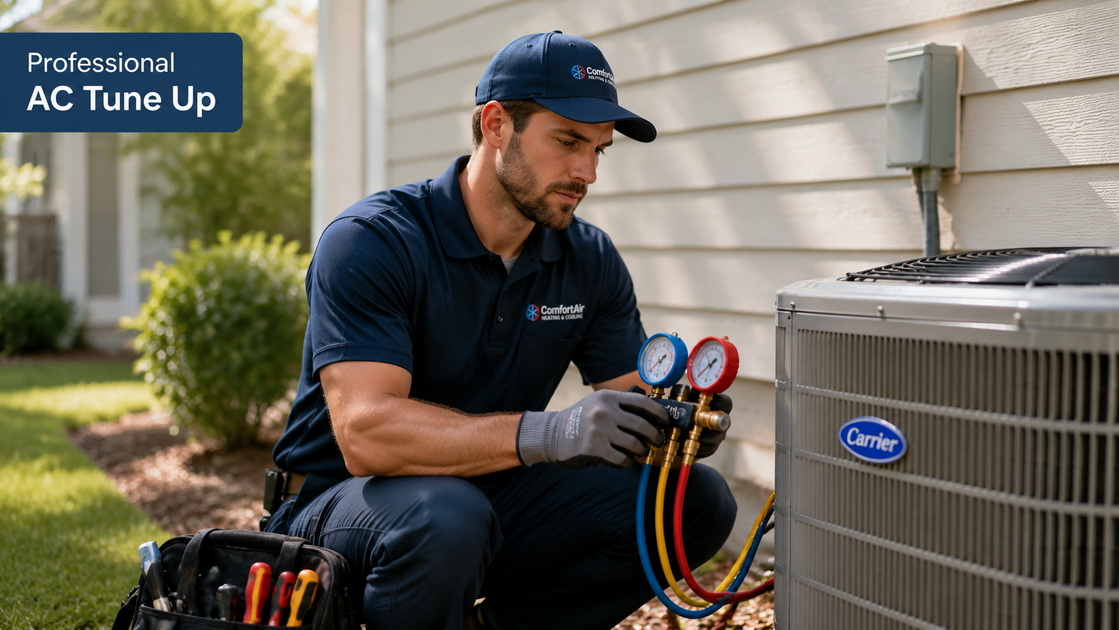
From the standpoint of a licensed technician, preventive maintenance is one of the most powerful tools for reducing AC‑related headaches and general discomfort. [web.ecreee]
Here is a practical checklist you can follow:
Monthly–Quarterly
- Inspect and replace air filters as needed (typically every 1–3 months). [web.ecreee]
- Check that supply and return vents are open and unobstructed.
- Listen for unusual noises or rattles when the system starts and stops.
Seasonal (at least once per year)
- Schedule a professional tune‑up to:
- Clean condenser coils and indoor evaporator coils.
- Inspect drain lines and pans for clogs and microbial growth. [jeancoutu]
- Verify refrigerant levels and system pressures.
- Test thermostat calibration and safety controls. [web.ecreee]
Long‑term
- Assess system age: once a system passes about 10–15 years, evaluate whether upgrades could improve comfort and noise levels. [web.ecreee]
- Consider adding zoning, humidification, or upgraded filtration to better control conditions linked to headaches. [web.ecreee]
Mega Services Heating & Cooling offers structured maintenance programs, including inspections and cleaning services designed to keep your system running quietly, efficiently, and safely.
At Mega Services Heating & Cooling, our mission is to help families create safe, comfortable, and energy‑efficient homes year‑round. We understand that comfort is not only about temperature; it's also about health, noise levels, air quality, and long‑term reliability. [jeancoutu]
When you contact us about AC‑related headaches, our technicians will:
- Listen carefully to your symptoms and how they relate to AC use.
- Perform a thorough inspection of your system, including filters, coils, ductwork, airflow, and controls. [web.ecreee]
- Identify environmental factors such as poor ventilation or extreme temperature settings that may contribute to your discomfort. [brunet]
We then provide clear, practical recommendations that may include maintenance, repairs, system optimization, or equipment upgrades, all tailored to your home and health priorities.
If your system is older, noisy, or repeatedly breaking down, you may reach a point where repairing an outdated unit no longer makes sense. [web.ecreee]
Potential benefits of upgrading include:
- Quieter operation, which reduces noise‑related stress and headaches.
- Better humidity control, improving comfort and lowering dehydration risk. [web.ecreee]
- Enhanced filtration and IAQ options, which can remove more allergens and pollutants. [jeancoutu]
- Higher energy efficiency, lowering your monthly utility bills while maintaining comfort. [web.ecreee]
Mega Services can help you evaluate options, choose the right capacity and features, and handle installation so your new system supports both comfort and health from day one.
If you suspect your AC is contributing to headaches or general discomfort, don't ignore it—your comfort and health are too important.
Contact Mega Services Heating & Cooling today to:
- Schedule a professional AC inspection and tune‑up
- Discuss indoor air quality and humidity solutions
- Explore quieter, more efficient system upgrades tailored to your home
Our licensed technicians will help you diagnose the root cause, implement practical solutions, and keep your home safe, comfortable, and energy‑efficient in every season. [web.ecreee]
Many people experience headaches when AC turns on due to a combination of cold drafts, dry air, noise, and circulating allergens. A professional inspection can identify whether temperature, airflow, or indoor air quality is the primary trigger and suggest targeted solutions. [onehourheatandair]
Yes, dirty filters can reduce airflow and allow more dust, pollen, and irritants to circulate, contributing to headaches and "stuffy" indoor air. Replacing filters every 1–3 months helps maintain good air quality and system performance. [jeancoutu]
Most experts recommend moderate settings, often in the range of 74–78°F (23–26°C), to avoid extreme cold and large indoor–outdoor differences. You may need to experiment within this range to find a balance that feels comfortable without triggering symptoms. [brunet]
A new system alone is not a medical treatment, but modern, quieter, and better‑controlled systems can significantly reduce triggers like noise, drafts, and humidity problems. For persistent or severe headaches, always consult a doctor in addition to upgrading your HVAC. [onehourheatandair]
Most manufacturers and indoor air quality experts recommend annual maintenance for central air conditioning systems. Yearly inspections and cleanings help control pollutants, reduce noise, and catch emerging problems before they affect comfort or health. [jeancoutu]
1. One Hour Heating & Air Conditioning. "How to Avoid Headaches Related to Air Conditioning." December 26, 2023. https://www.onehourheatandair.com/expert-tips/air-conditioners/how-to-avoid-headaches-related-to-air-conditioni/
2. Mega Services Heating & Cooling Inc. "7 Tips for Optimizing Your Air Conditioning System." October 27, 2024. https://www.megaservices.org/7-tips-for-optimizing-your-air-conditioning-system/
3. Ecreee. "Is Air Conditioner Bad for Health? Expert Insights." February 11, 2026. https://web.ecreee.org/fresh-field/is-air-conditioner-bad-for-health-1770880849
4. Brunet. "Air conditioning and health: 3 precautions to take." https://www.brunet.ca/en/health/health-tips/air-conditioning-and-health-3-precautions-to-take/
5. Jean Coutu. "Air-conditioning and its effects on health." https://www.jeancoutu.com/en/health/health-tips/air-conditioning-and-its-effects-on-health/
6. First Class HVAC. "How to Prevent Headaches Caused by Air Conditioning." April 29, 2018. https://firstclasshvac.com/blog/how-to-prevent-headaches-caused-by-air-conditioning/
7. Nature Scientific Reports. "Classroom indoor air quality and its association with sick building syndrome (SBS) symptoms in a Malaysian university setting." October 23, 2025. https://www.nature.com/articles/s41598-025-21013-6
8. IZA Discussion Paper. "Indoor Air Quality and Cognitive Performance." https://docs.iza.org/dp12632.pdf


