
Views: 222 Author: Loretta Publish Time: 2026-02-16 Origin: Site


Content Menu
● What a Heat Pump Is and How It Works
● Common Signs Your Heat Pump Needs Troubleshooting
● Step 1 – Check the Basics First
>> Thermostat Settings and Fan Mode
>> Power Supply and Basic Reset
● Step 2 – Evaluate the Outdoor Unit
>> Clear Debris and Maintain Clearance
>> Check for Frost or Ice Buildup
>> Listen for Unusual Noises Outside
● Step 3 – Inspect Indoor Components and Airflow Paths
>> Blower Motor and Indoor Noise
>> Smells and Water Around the Indoor Unit
● Step 4 – Refrigerant, Controls, and Electrical Checks
>> Refrigerant Charge and Coil Performance
>> Control Boards, Sensors, and Error Codes
>> Electrical Safety and Circuits
● When to Call a Professional Technician
>> Situations That Require Professional Service
>> The Value of Professional Diagnostics
● Preventive Maintenance to Avoid Future Problems
>> Filter and Coil Maintenance
>> Annual (or Semi-Annual) Professional Tune-Ups
>> Smart Thermostats and Good Usage Habits
● How Mega Services Heating & Cooling Supports You
● Balancing DIY and Professional Help
● Frequently Asked Questions About Heat Pump Troubleshooting
>> FAQ 1: How often should I have my heat pump professionally serviced?
>> FAQ 2: Can I use emergency heat all the time?
>> FAQ 3: Why is my heat pump making a buzzing noise?
>> FAQ 4: My heat pump is not heating enough. Should I just turn up the thermostat?
>> FAQ 5: How long does a typical heat pump troubleshooting visit take?
If your heat pump is not heating or cooling properly, you are not alone. Many homes rely on heat pumps for year-round comfort, and common issues can quickly turn a reliable system into a source of frustration. In this guide, you will learn how to troubleshoot a heat pump safely and systematically, recognize problems you can address yourself, and understand when it is time to call a professional technician from Mega Services Heating & Cooling.
This article is written to align with best practices in HVAC safety, energy efficiency, and modern troubleshooting standards. It offers practical, easy-to-follow steps for homeowners, while also emphasizing the importance of expert service for complex issues, electrical risks, and refrigerant-related problems.
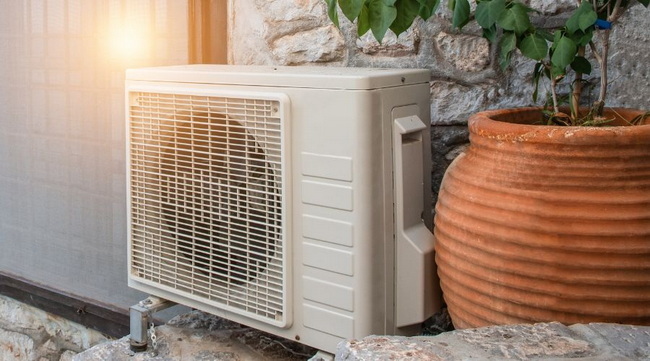
A heat pump is an electric HVAC system that moves heat rather than generating it directly. In many homes, it can replace both a traditional furnace and a central air conditioner. In heating mode, it extracts heat from the outdoor air and transfers it indoors. In cooling mode, it reverses the cycle and removes heat from inside your home to the outdoors.
Because a heat pump reverses its operation between seasons, correct sizing, installation, and maintenance are crucial. When something in that chain goes wrong, you may notice weak airflow, poor temperature control, or unusual energy usage.
Before you start checking individual components, identify the main symptoms. This helps narrow down the cause and avoid unnecessary steps.
Some of the most common warning signs include:
- No heating or cooling output, even though the thermostat seems to be working.
- Short cycling, where the system turns on and off frequently.
- Weak airflow from vents or uneven temperatures between rooms.
- Unusual noises such as rattling, grinding, buzzing, or loud humming.
- Suddenly higher energy bills with no change in usage habits.
- Visible frost or ice on outdoor coils, warm air during heating mode, or cool air during cooling mode when it should not be.
Any persistent performance issue, especially when combined with unusual smells, repeated breaker trips, or water around the unit, should be taken seriously. In these situations, plan on consulting a qualified heating and cooling contractor.
Start with simple, safe checks you can perform without tools or technical training. These often resolve minor issues and help you gather information if you later call a technician.
The thermostat is the control center of your heat pump, and incorrect settings are a very common cause of “no heat” or “no cool” complaints.
Check the following:
- Make sure the thermostat mode is set correctly: HEAT, COOL, or AUTO as needed.
- Confirm the set temperature is several degrees above room temperature in heating mode, or below it in cooling mode.
- Verify that the fan setting matches your needs. The ON setting runs the fan continuously, while AUTO runs it only during active heating or cooling cycles.
- If your thermostat has a schedule, ensure it is not overriding your manual settings or set to an unexpected program.
If your system has an EMERGENCY HEAT mode and you do not truly need it, switch back to standard HEAT to avoid excessive energy use.
If the system does not respond at all, a power issue may be the cause.
You can:
- Turn the system off at the thermostat.
- Locate the appropriate breakers in your electrical panel for the indoor air handler and outdoor unit and ensure they are not tripped.
- If a breaker is tripped, switch it fully off and then back on once.
- Wait about 30 seconds to a minute, then turn the system back on at the thermostat.
If the heat pump still does not turn on, or if the breaker trips again, stop there and contact a professional immediately. Repeated breaker trips can indicate serious electrical or equipment problems.
Restricted airflow is one of the most common reasons for poor performance and unnecessary strain on a heat pump.
You should:
- Inspect the air filter at the indoor unit and replace it if it is dirty or clogged.
- In most homes, filters should be replaced every 30–90 days, depending on dust levels, pets, and local conditions.
- Walk through your home and confirm that supply registers and return grilles are open and not blocked by furniture, rugs, or curtains.
Keeping airflow unobstructed helps your heat pump maintain comfort while using less energy and reducing wear on the blower and compressor.
The outdoor unit plays a key role in moving heat in and out of your home. Many visible, non-technical checks can be done safely by homeowners.
The outdoor unit needs adequate airflow to operate efficiently. Over time, leaves, grass, trash, and vegetation can collect around it.
To maintain proper airflow:
- Ensure at least 18–24 inches of clear space around the unit.
- Remove leaf piles, loose debris, and any items leaning against the cabinet.
- Trim shrubs and plants that have grown too close.
Good clearance allows the fan and coil to release or absorb heat effectively and reduces the risk of overheating or shutdowns.
It is normal for a heat pump to develop light frost during heating mode in cooler weather, but it should clear itself during automatic defrost cycles. Heavy or persistent ice is a warning sign.
If you see thick ice or the entire coil encased in frost:
- Turn the system off at the thermostat.
- Do not attempt to chip or scrape the ice with tools, as you may damage the coil or fins.
- Contact a professional to inspect for issues such as low refrigerant charge, failed defrost control, or airflow problems.
The outdoor unit should sound smooth and relatively consistent during operation. Changes in noise often indicate developing problems.
Pay attention to:
- Grinding, screeching, or metal-on-metal sounds.
- Loud buzzing, especially when the unit struggles to start.
- Repeated clicking or rapid on-off cycling.
Unusual sounds can be related to failing motors, loose components, or electrical issues, all of which should be handled by a qualified technician.
If the thermostat, power, and basic filter checks look good, the next step is to pay attention to indoor components around the air handler and ductwork.
Over time, ductwork can shift, separate, or become damaged, especially in attics, basements, or crawl spaces.
Look for:
- Visible gaps where ducts meet or where tape has loosened.
- Sections that have fallen, kinked, or become crushed.
- Disconnected ducts at supply boots or plenums.
Minor gaps can sometimes be sealed with appropriate duct mastic or tape, but extensive damage should be assessed by an HVAC professional to ensure correct sizing and airflow.
The blower motor inside your air handler is responsible for moving air through the system. Changes in its sound or performance can tell you a lot.
Notice:
- Weak airflow at all vents, even with a clean filter.
- A blower that starts slow, struggles, or makes humming, squealing, or grinding noises.
- Any sign of smoke or a burning smell from the air handler should prompt you to shut the system off immediately and call for urgent service.
Blower motor problems often require parts replacement and should not be repaired by untrained individuals.
Heat pumps can influence indoor air quality and humidity. Certain smells or water issues can highlight underlying problems.
Common indicators include:
- Musty or moldy odors from vents, which may suggest biological growth on the indoor coil or in the ductwork.
- Water pooling around the air handler or in the drain pan area. This often means a blocked condensate line, an overflowing drain, or a frozen coil that has thawed rapidly.
These issues are best corrected with professional cleaning, coil maintenance, and drain clearing to protect both the system and indoor air quality.
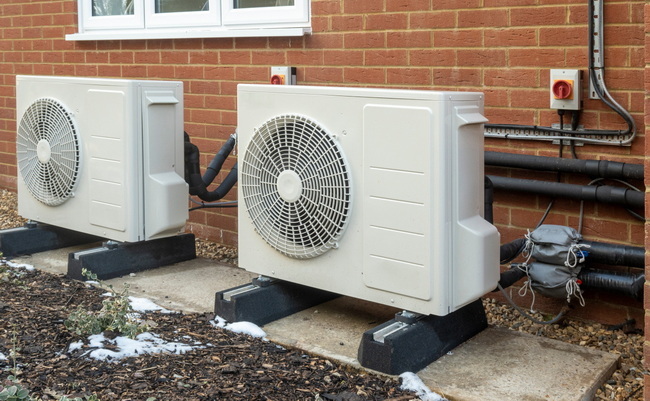
Beyond the basic steps above, the remaining troubleshooting areas involve refrigerant, control boards, and electrical components. These are not DIY tasks and should be handled by licensed HVAC technicians.
Heat pumps rely on precise refrigerant charge to maintain correct coil temperatures and pressures. Too little or too much refrigerant can reduce efficiency and damage the compressor.
Signs of refrigerant-related issues include:
- Poor heating or cooling performance despite correct thermostat settings.
- Ice buildup on indoor or outdoor coils.
- Hissing or bubbling noises near refrigerant lines.
Refrigerant handling is regulated and potentially hazardous. Only qualified technicians should check pressures, locate leaks, and recharge the system.
Modern heat pumps often have electronic control boards and built-in diagnostics. Some systems display error codes on the thermostat or on the unit itself.
If you see a fault code:
- Note the exact code and when it occurs.
- Check your user manual for basic guidance on what the code means.
- Avoid clearing codes repeatedly without understanding the cause, as this can mask important clues for your technician.
Reading and interpreting these codes correctly requires the right tools and training, so let a professional handle the deeper diagnostics.
Loose connections, worn components, or undersized wiring can lead to serious safety hazards. Repeated breaker trips, warm electrical panels, or burning smells should never be ignored.
In any of these cases:
- Turn the system off at the thermostat.
- If safe to do so, turn off the breakers dedicated to your heat pump.
- Contact a licensed HVAC or electrical professional as soon as possible.
DIY electrical repair is dangerous and can compromise both your personal safety and insurance coverage.
Some heat pump issues are easy to spot and resolve at home, while others require advanced tools and expertise. Knowing where to draw the line will protect your equipment and your safety.
You should call a professional heating and cooling technician if:
- The heat pump will not turn on after basic thermostat and breaker checks.
- Breakers continue to trip when the system runs.
- You notice burning smells, smoke, or signs of scorching.
- There is persistent ice on coils or visible refrigerant or oil leaks.
- You see error codes that you do not fully understand.
- Airflow remains weak or temperatures remain uncomfortable despite clean filters and open vents.
In these situations, a trained technician can diagnose the root cause and provide a safe, effective repair.
Professional diagnostic visits do more than clear a single error or replace one part. A comprehensive visit may include:
- Measuring refrigerant pressures and superheat/subcool values.
- Inspecting wiring, capacitors, and contactors.
- Verifying airflow, duct integrity, and coil cleanliness.
- Testing defrost cycles, thermostat operation, and safety controls.
By catching developing issues early, you reduce the risk of unexpected breakdowns and extend the life of your heat pump.
Preventive care is often the best troubleshooting strategy. A heat pump that receives regular attention performs better, lasts longer, and costs less to operate over time.
A simple but powerful routine includes:
- Checking and changing air filters every one to three months, depending on your environment.
- Keeping the outdoor unit free of dirt, leaves, and obstructions.
- Scheduling periodic coil cleaning to remove dust and grime that reduce heat transfer efficiency.
Clean coils and filters help your system maintain comfort with less strain on the compressor and blower.
Plan for at least one professional inspection each year. In heavy-use climates, scheduling maintenance twice a year can be even more beneficial.
During a tune-up, a technician will typically:
- Check refrigerant levels and look for leaks.
- Inspect and tighten electrical connections.
- Test capacitors, contactors, and safety controls.
- Inspect and clean evaporator and condenser coils.
- Verify thermostat calibration and system responses.
These services can significantly reduce the likelihood of emergency calls during peak heating or cooling seasons.
Smart and programmable thermostats can improve comfort and savings by:
- Reducing unnecessary runtime when you are away or asleep.
- Providing detailed usage reports and alerts if the system behaves unusually.
- Allowing more precise control over temperature and scheduling.
Combine these tools with good habits, such as avoiding extreme temperature swings and minimizing frequent mode changes, to keep your heat pump operating smoothly.
Mega Services Heating & Cooling specializes in installation, repair, and maintenance of heat pumps and other HVAC systems. Whether your system is completely down or just not performing as it should, our experienced technicians are equipped to provide fast and accurate solutions.
Our services include:
- Comprehensive heat pump diagnostics and repair.
- Preventive maintenance programs to keep your system running efficiently.
- Expert guidance on when to repair and when to consider upgrading to a newer, more efficient unit.
- Clear, transparent explanations of any work recommended or performed.
By partnering with a professional team, you gain peace of mind, improved comfort, and better long-term value from your heat pump.
Homeowners can and should play an active role in maintaining their heat pumps. Simple checks such as filters, vents, basic thermostat settings, and obvious debris removal are well within a typical homeowner's reach.
However, tasks involving refrigerant, electrical systems, control boards, or internal mechanical parts are best left to licensed professionals. This balance protects you from safety risks and ensures your heat pump is serviced correctly the first time.
If you have walked through these steps and your heat pump is still not working as it should, do not wait for the problem to get worse. Contact Mega Services Heating & Cooling today to schedule a professional heat pump inspection, repair, or maintenance visit. Our trained technicians are ready to restore your comfort, optimize your system's efficiency, and help protect your home with safe, dependable heating and cooling service.
Contact us to get more information!
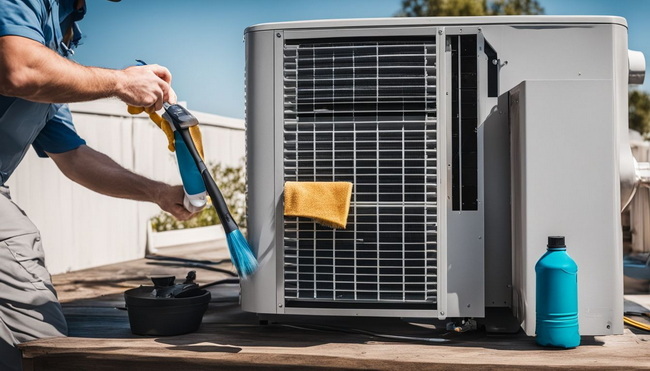
Most systems benefit from at least one professional maintenance visit per year. If your heat pump runs heavily throughout the year, scheduling tune-ups twice a year can help catch issues early, maintain efficiency, and improve comfort.
Emergency heat is designed for specific situations, such as when the main heat pump function is not available or in unusual weather conditions. It uses backup electric resistance heating, which is less efficient and more expensive to run. It should only be used temporarily until the main system is repaired.
Buzzing can be caused by loose panels, vibration, failing electrical components, or a struggling compressor. If tightening accessible panels and checking for obvious obstructions does not resolve the sound, you should contact a professional to investigate further.
Constantly raising the thermostat setting will not fix underlying issues and can increase wear on your system. Insufficient heating is often related to airflow restrictions, dirty coils, duct issues, or refrigerant problems. If basic checks do not help, schedule a professional inspection.
A standard troubleshooting and diagnostic visit usually takes between 45 minutes and two hours, depending on the complexity of the problem. Simple issues like minor electrical faults or thermostat calibration may be resolved quickly, while refrigerant or compressor problems may require more time and follow-up.
1. https://www.americanstandardair.com/resources/hvac-troubleshooting/heat-pump/
2. https://www.carrier.com/residential/en/us/products/heat-pumps/heat-pump-troubleshooting/
3. https://www.conwayservices.net/blog/heat-pump-troubleshooting-12-common-issues-and-tips-for-what-to-do
4. https://www.trane.com/residential/en/resources/troubleshooting/heat-pumps/
5. https://www.energy.gov/energysaver/operating-and-maintaining-your-heat-pump
6. https://www.invertercool.com/blogs/common-ultra-heat-pumps-problems-how-to-troubleshoot-them
7. https://dlhope.com.sg/blog/seasonal-maintenance-tips-for-hvac-systems-in-singapore
8. https://www.daikinseattle.com/blog/heat-pump-troubleshooting
9. https://americanenergyair.com/common-heat-pump-issues/
10. https://www.superior-air.com/blog/hvac-maintenance/basic-heat-pump-troubleshooting-for-homeowners/


