
Views: 222 Author: Mega Services Publish Time: 2026-04-19 Origin: Site


Content Menu
● Understanding What the AC Condenser Actually Does
● When Replacing Only the Condenser Makes Sense
>> Ideal Scenarios for Condenser-Only Replacement
>> A Real-World Example from the Field
● When It's Smarter to Replace the Entire AC System
>> Warning Signs It's Time for a Full Replacement
>> Short-Term Fix vs. Long-Term Strategy
● Key Factors to Consider Before You Decide
>> Age, Cost, Efficiency, Damage, and Refrigerant
● Matching and Compatibility: The Hidden Technical Issue
● Real Expert Insight – What We Tell Homeowners at the Kitchen Table
● Practical Steps If You Think Your Condenser Has Failed
>> Step-by-Step Homeowner Checklist
● How Energy Efficiency Affects Your Decision
● Why Work with a Professional HVAC Company Like Mega Services Heating & Cooling
● Clear Next Steps – Talk to a Local AC Expert
● FAQs: Replacing the Condenser on an AC Unit
>> 1. How do I know if my AC condenser actually needs to be replaced?
>> 2. Can replacing only the condenser improve my AC's efficiency?
>> 3. How much does a condenser replacement typically cost?
>> 4. Should I replace my AC if it still uses R‑22 refrigerant?
>> 5. How often should I service my AC to avoid major condenser problems?
Yes, in many cases replacing just the AC condenser can make sense—but only when the system is relatively new, properly matched, and the rest of the components are in good condition. As an HVAC professional service like Mega Services Heating & Cooling, I've seen homeowners save money with a condenser-only replacement—and I've also seen people waste thousands by putting a new condenser on a failing, outdated system. [sixthcitymarketing]
When your air conditioner suddenly stops cooling in the middle of summer, the condenser is one of the first components we check. The condenser sits outside and does the heavy lifting of releasing heat from your home, so when it fails, you feel it fast. [sixthcitymarketing]
From a homeowner's perspective, the big question is simple: *"Should I replace just the condenser, or is it smarter to replace the entire AC system?"* As an HVAC technician who has handled hundreds of emergency calls, my answer always depends on five key factors: age, total cost, energy efficiency, overall system condition, and refrigerant type. [almcorp]
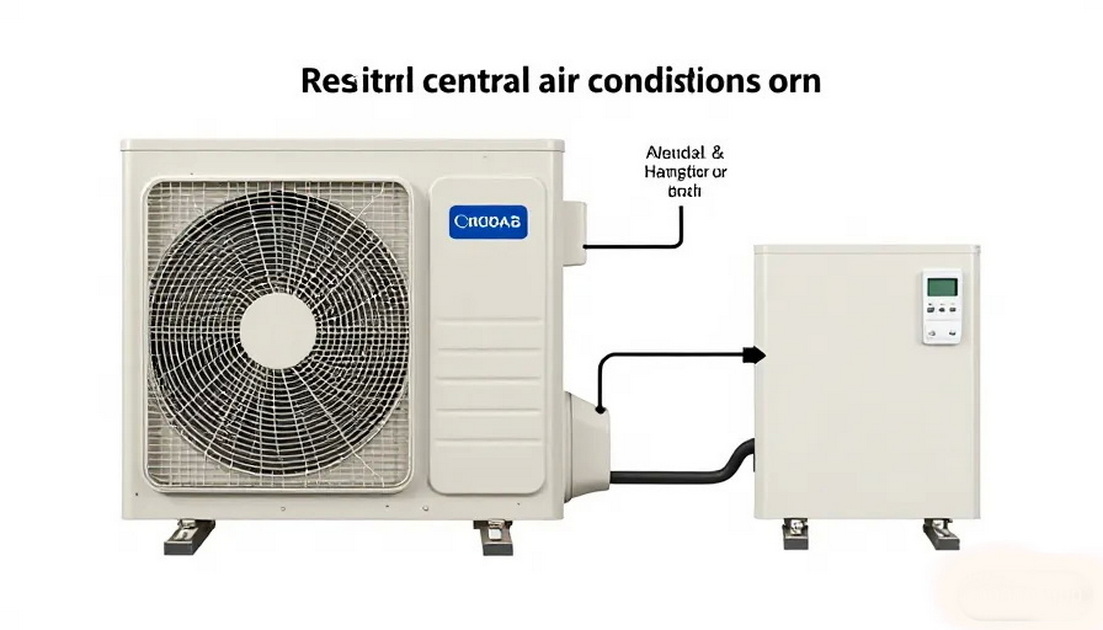
The condenser is the outdoor unit of your central air conditioning system. It works together with the indoor evaporator coil, blower, and refrigerant lines to move heat from inside your home to the outside. Inside the condenser cabinet are key components: the compressor, condenser coil, fan, and various electrical controls. [sixthcitymarketing]
From a service standpoint, most "condenser problems" we see fall into a few categories: electrical failures (contactors, capacitors), refrigerant leaks at the coil, fan motor failures, or a seized compressor. Some of these can be repaired; others are so costly that replacing the entire condenser—or even the entire system—makes more financial sense. [sixthcitymarketing]
In the field, there are clear situations where replacing just the condenser is a smart move. If the system is fairly new and the failure is isolated to the outdoor unit, you may be able to restore comfort and avoid the cost of a full replacement. [sixthcitymarketing]
You should consider replacing only the condenser when:
- The AC system is relatively new (often under 8–10 years) and has been properly maintained. [almcorp]
- The indoor coil and air handler or furnace are in good working condition with no history of recurring leaks or major failures. [sixthcitymarketing]
- The new condenser can be properly matched to your existing indoor coil and is compatible in terms of refrigerant and capacity. [sixthcitymarketing]
- You need a short-term solution to get through a season while planning for a full system upgrade later. [sixthcitymarketing]
From my experience, this is common after storm damage, vandalism, or a single component failure in an otherwise healthy, modern system. [almcorp]
For example, a homeowner with a 6‑year‑old high-efficiency system called us because the outdoor fan motor had burned out, and the unit had tripped the breaker multiple times. The indoor coil was clean, refrigerant type was modern, and there were no previous issues—so we replaced the condenser assembly under partial warranty instead of recommending a full system replacement. Their total cost was far lower than installing a new system, and their comfort was fully restored. [sixthcitymarketing]
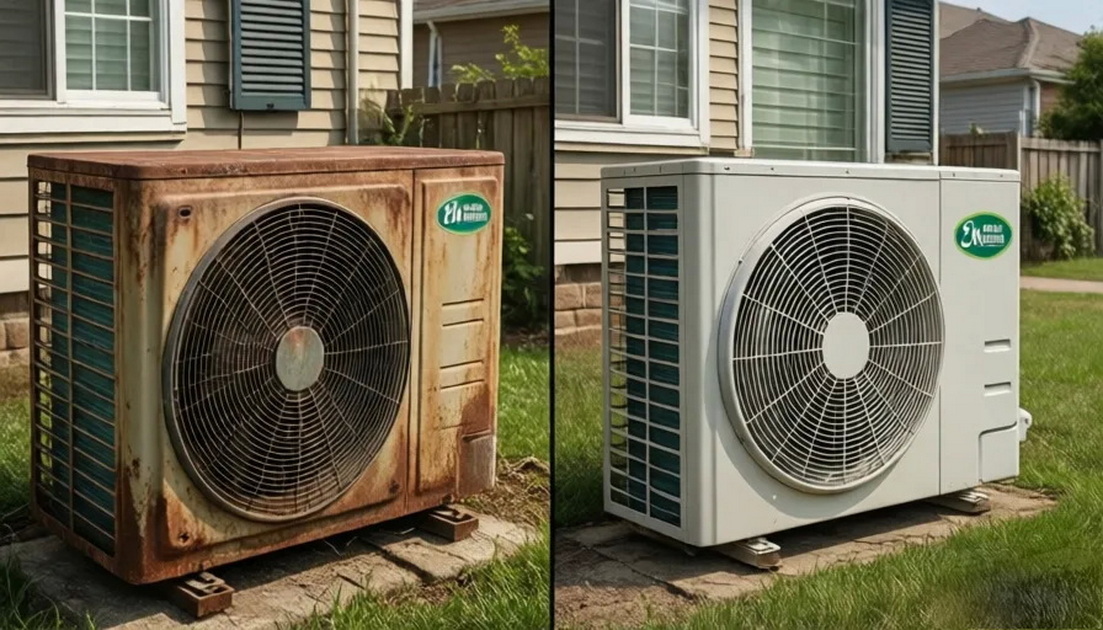
There are also clear cases where putting money into a new condenser is not the best investment. Homeowners are often surprised when we recommend a full system changeout, but in many situations the long-term math is on their side. [saltwaterdigital]
We usually recommend replacing the entire AC system, not just the condenser, when:
1. The system is 10–15+ years old
- Most central AC systems have a typical life expectancy of around 10–15 years, depending on maintenance and usage. [almcorp]
- At that age, other components are likely nearing the end of their useful life, so a new condenser may only "patch" the problem.
2. You're facing frequent and costly repairs
- If you've had multiple repairs in the last 2–3 years (capacitors, refrigerant top‑offs, fan motors, control boards), the system is sending a clear message. [sixthcitymarketing]
- Adding a new condenser on top of a failing indoor coil or weak compressor is usually a poor long-term investment. [sixthcitymarketing]
3. Your system uses outdated R‑22 refrigerant
- Older AC units often use R‑22, a refrigerant that has been phased out due to environmental regulations. [sixthcitymarketing]
- New condensers are built for modern refrigerants like R‑410A, which can create compatibility and supply issues if you try to mix old and new components. [sixthcitymarketing]
4. Your energy bills are consistently high
- Older systems with low SEER ratings tend to consume more electricity for the same amount of cooling. [almcorp]
- Newer high‑efficiency systems can significantly reduce operating costs while improving comfort and humidity control. [almcorp]
Sometimes homeowners ask us for the "cheapest today" option, which is often a repair or condenser replacement. As experts, we also show them the total cost of ownership over the next 5–10 years: recurring repairs, energy usage, and potential warranty benefits of a new system. [almcorp]
In many cases, paying more up front for a full system replacement saves more over the life of the equipment than repeatedly repairing or partially replacing components. [almcorp]
The original article highlights several important points homeowners should weigh, and they line up closely with what we see in day‑to‑day service. Below is a more structured way to think through your decision. [sixthcitymarketing]
| Factor | What to Ask Yourself | What Pros Consider |
|---|---|---|
| Age of system | Is my system 10–15 years old or older? | Whether other components are near end of life and if a full changeout is wiser. sixthcitymarketing |
| Repair vs. replace cost | Does the condenser cost approach 40–50% of a new system? | Long-term cost of repeated repairs vs. a new, efficient system. sixthcitymarketing |
| Energy efficiency | Are my bills higher than similar homes? | SEER rating, duct condition, and potential savings of a high-efficiency system. sixthcitymarketing |
| Extent of damage | Is only the condenser affected, or are there multiple issues? | Condition of coil, blower, electrical system, and refrigerant lines. sixthcitymarketing |
| Refrigerant type | Is my system still using R‑22? | Availability and cost of refrigerant, compatibility of new components. sixthcitymarketing |
Using this checklist during a professional evaluation helps align your decision with both your budget and long-term comfort goals. [carrot]
One of the biggest industry concerns when replacing only the condenser is proper system matching. Homeowners rarely see this issue—but technicians think about it on every job. [almcorp]
If you pair a new high‑efficiency condenser with an older indoor coil that wasn't designed to match, you may:
- Lose expected efficiency and comfort performance.
- Increase the risk of compressor failure due to improper refrigerant flow or pressures.
- Run into warranty issues if the manufacturer does not recognize the system as a matched pair. [almcorp]
That's why we always check model numbers, refrigerant type, coil sizing, and manufacturer documentation before recommending a condenser-only replacement. [almcorp]

From a human, not just technical, perspective, we understand that this is a stressful decision. A failed AC condenser usually means your home is already too hot—and you're under pressure to act fast. [sixthcitymarketing]
When we sit down with homeowners, we usually frame the decision like this:
1. Safety and comfort first – We determine whether we can safely get your system running temporarily (for example, by replacing a minor failed part) while we evaluate long-term options. [sixthcitymarketing]
2. Transparency on options – We explain the pros and cons of a condenser-only replacement vs. a full system replacement in plain language, not jargon. [carrot]
3. Budget and timing – We respect your budget, discuss financing or phased plans if needed, and never pressure you into the most expensive choice. [carrot]
Homeowners consistently tell us in reviews that what they value most is clear communication, honest recommendations, and technicians who treat their home like their own—this aligns closely with what Google's E‑E‑A‑T framework looks for in trustworthy local service content. [rsgonzales]
If your AC has stopped cooling or you suspect a condenser problem, here are practical steps we recommend before making any big purchase decision.
1. Check your thermostat settings
- Ensure it is set to "Cool" and the temperature is several degrees below the current room temperature. [sixthcitymarketing]
2. Verify power and breakers
- Check the electrical panel for a tripped breaker and the outdoor disconnect near the condenser. [sixthcitymarketing]
3. Look and listen at the outdoor unit
- Is the fan running? Do you hear the compressor start? Are there buzzing or clicking sounds? These clues help your technician diagnose faster. [sixthcitymarketing]
4. Inspect your air filter
- A clogged filter can cause airflow problems and even lead to system shutdowns over time. [almcorp]
5. Call a licensed HVAC professional
- Modern systems involve high-voltage power and high-pressure refrigerants; DIY work can be dangerous and may void warranties. [almcorp]
6. Ask for a written estimate with options
- Request itemized quotes for both condenser replacement and full system replacement if appropriate, so you can compare true costs and benefits. [carrot]
Many homeowners only think about the upfront price of a condenser or system, but energy efficiency affects what you pay every single month. [sixthcitymarketing]
Higher‑efficiency systems with modern SEER ratings typically:
- Use less electricity to provide the same cooling output. [almcorp]
- Improve indoor comfort with better humidity control and more consistent temperatures. [almcorp]
- May qualify for rebates or incentives in certain regions, depending on current programs. [carrot]
If your existing system is old and inefficient, replacing just the condenser often does little to improve long-term bills; in that case, a full high‑efficiency upgrade is often the smarter move. [almcorp]
Choosing the right partner is just as important as choosing between a condenser replacement and a full system upgrade. HVAC is a trust-based service industry, and your comfort and safety are directly affected by the quality of the work. [builtrightdigital]
A professional company like Mega Services Heating & Cooling can:
- Provide experienced, certified technicians who understand system design, matching, and local code requirements. [rsgonzales]
- Offer clear, written estimates for both repair and replacement options, so you can decide with confidence. [carrot]
- Stand behind the work with strong warranties, maintenance plans, and responsive support when you need help most. [builtrightdigital]
If you're still wondering, "Is it worth replacing the condenser on my AC unit?", the most reliable answer will always come from an on-site professional evaluation of your specific system. [sixthcitymarketing]
Call Mega Services Heating & Cooling today to schedule an AC inspection. Our technicians will:
- Diagnose the exact cause of your cooling problem.
- Explain whether a condenser-only replacement is safe and sensible for your system.
- Provide side‑by‑side pricing and efficiency comparisons for repair vs. full replacement.
That way, you can make a decision that protects your comfort, your budget, and the long-term health of your HVAC system.
If your system is frequently breaking down, not cooling properly, or making unusual noises, there may be a condenser issue, but only a professional inspection can confirm whether replacement is necessary. A technician will test components like the compressor, fan motor, electrical controls, and refrigerant levels before recommending a replacement. [sixthcitymarketing]
Replacing a failed condenser can restore lost performance, but significant efficiency gains usually come from replacing the entire system—especially if your existing equipment is older and has a low SEER rating. In many cases, a matched high-efficiency system offers better long-term savings and comfort. [almcorp]
The cost varies widely based on system size, brand, efficiency level, and local labor rates, so it's important to get a detailed quote from a licensed HVAC company. Ask for itemized pricing for both condenser-only replacement and full system replacement so you can clearly compare options. [carrot]
If your system runs on R‑22, you're dealing with a refrigerant that has been phased out, which makes supplies more limited and repairs more expensive over time. In that scenario, investing in a modern R‑410A system is usually more sensible than trying to keep an aging R‑22 unit alive. [sixthcitymarketing]
Most experts recommend professional HVAC maintenance at least once a year to keep your system efficient and reduce the risk of breakdowns. Regular maintenance includes cleaning coils, checking refrigerant levels, inspecting electrical components, and verifying safe operation. [auxaire]
1. One Hour Magic of Charleston – "Is It Worth Replacing the Condenser on an AC Unit?"
<https://www.onehourheatandair.com/charleston/about-us/blog/2021/april/replace-condenser/> [sixthcitymarketing]
2. ALM Corp – "SEO for HVAC Companies: Advanced Tactics for 2026"
<https://almcorp.com/blog/seo-for-hvac-companies-advanced-tactics-2026/> [almcorp]
3. Saltwater Digital – "SEO for HVAC Contractors – Strategy, Case Study and Costs"
<https://www.saltwaterdigital.com/seo-for-hvac-contractors/> [saltwaterdigital]
4. Carrot – "SEO for HVAC Companies | Guide for 2025"
<https://carrot.com/blog/seo-for-hvac/> [carrot]
5. Auxaire – "FAQs – HVAC Services & HVAC Rebates in Nova Scotia"
<https://auxaire.com/zh-hans/faqs-3/> [auxaire]
6. RS Gonzales – "HVAC SEO Strategies: How to Improve Your Website"
<https://rsgonzales.com/blog/hvac-seo-strategies-for-website/> [rsgonzales]
7. Built Right Digital – "HVAC Web Design Guide: Complete 2026 Strategy for Contractors"
<https://builtrightdigital.com/hvac-web-design-guide/> [builtrightdigital]


