
Views: 221 Author: Mega Services Publish Time: 2026-10-01 Origin: Site


Content Menu
● What Is the Best Air Filter for Allergies?
● Why HVAC Filters Matter for Allergy Relief
>> Common airborne allergy triggers inside a home
● Understanding MERV Ratings for Allergy Filters
>> MERV rating comparison for homes
>> Is MERV 13 always the best choice?
● Are HEPA Filters Good for Home Allergies?
>> Why HEPA filters are not always used in central HVAC systems
● How to Choose the Right HVAC Filter for Allergies
>> Identify your primary allergy triggers
>> Confirm the correct filter size
>> Consider filter depth as well as MERV rating
>> Use a realistic replacement schedule
● A Five-Step Plan for Reducing Indoor Allergens
>> 1. Use a compatible high-efficiency HVAC filter
>> 2. Add a portable HEPA air cleaner in priority rooms
>> 4. Reduce pollen and outdoor particles at the source
>> 5. Clean settled allergens consistently
● Air Purifier vs. HVAC Filter: Do You Need Both?
● When Your HVAC System May Need Professional Attention
● Create a More Comfortable Home Environment
>> 1. What MERV rating is best for allergies?
>> 2. Is a MERV 13 filter too restrictive for my HVAC system?
>> 3. Are HEPA filters better than MERV 13 filters?
>> 4. Can a dirty air filter make allergies worse?
>> 5. How often should I replace my air filter during allergy season?
>> 6. Will an HVAC filter remove all pollen from my home?
>> 7. Do portable air purifiers help with allergies?
>> 8. Can humidity affect allergy symptoms indoors?
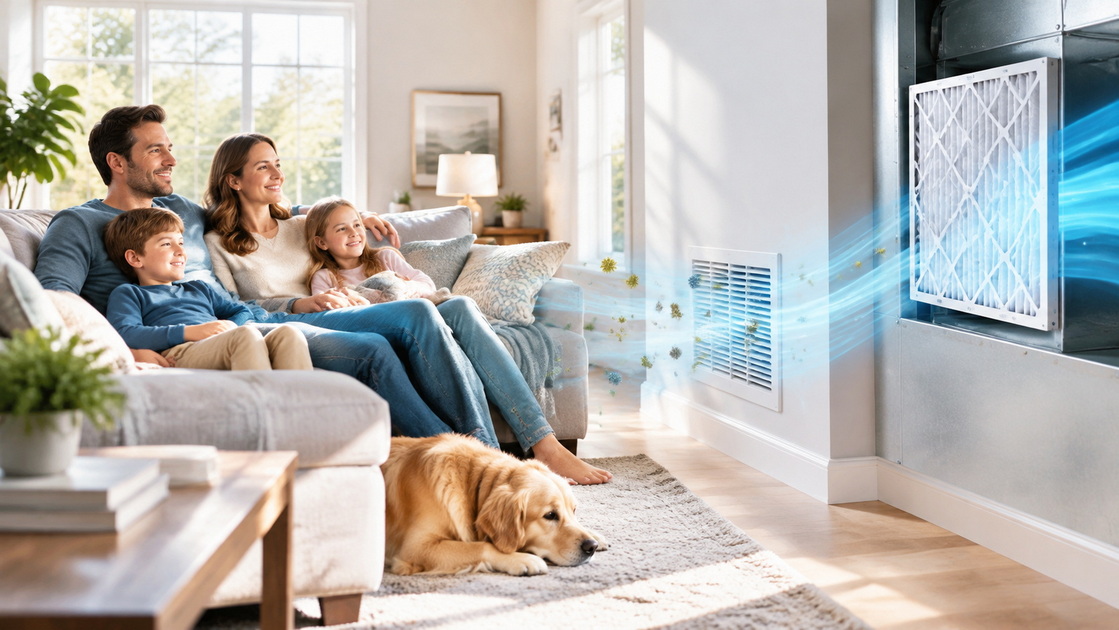
If allergies make your home feel less comfortable, the right HVAC air filter can help reduce airborne particles such as pollen, dust, pet dander, mold spores, and fine particulate matter. But the best air filter for allergies is not always the filter with the highest rating.
A filter must work with your heating and cooling system. If it is too restrictive, it can reduce airflow, create uneven temperatures, increase energy use, and add strain to important HVAC components.
At Mega Services Heating & Cooling, we help homeowners create safer, more comfortable, and more energy-efficient indoor environments. The right filtration strategy considers your family's allergy concerns, your home's air quality, the condition of the HVAC system, and the filter your equipment can safely support.
For many homes, a high-quality pleated filter combined with regular HVAC maintenance, humidity control, and targeted room air purification can provide a practical path toward cleaner indoor air.
For many households, a properly fitted pleated HVAC filter with a suitable MERV rating is a strong starting point for managing common airborne allergy triggers.
Depending on the equipment and household needs, a MERV 11 or MERV 13 filter may help capture more fine particles than a basic fiberglass filter. These particles can include pollen, pet dander, mold spores, fine dust, and some smoke-related particles.
However, filtration performance is only one part of the decision. The best filter for your home should balance three important factors:
- Particle capture: It should help trap the airborne particles that matter most to your household.
- System compatibility: It must allow the furnace, heat pump, or air conditioner to maintain proper airflow.
- Maintenance needs: It should be easy to inspect, replace, and maintain on an appropriate schedule.
For households with severe allergies, asthma concerns, pets, or recurring smoke exposure, a compatible HVAC filter may be paired with a portable HEPA air cleaner in high-use rooms such as bedrooms, nurseries, or home offices.
Allergens can enter the home in many ways. Pollen can travel indoors through open doors, windows, clothing, shoes, and pet fur. Dust and pet dander can build up in carpets, bedding, upholstered furniture, and air ducts. Humidity problems can contribute to mold growth and create conditions that make indoor air feel less fresh.
When your heating or cooling system runs, air moves through the return ducts and passes through the filter before being delivered back into the home. A clean, properly installed filter can help capture particles before they circulate through rooms.
A neglected or poorly fitted filter can create the opposite problem. Air may bypass the filter, dust can build up inside HVAC components, and airflow may become restricted.
An HVAC filter may help reduce exposure to airborne particles such as:
- Pollen from trees, grass, weeds, and flowers
- Pet dander from cats, dogs, and other animals
- Mold spores
- Household dust
- Lint and textile fibers
- Smoke particles
- Fine particles from outdoor pollution
- Debris introduced during remodeling or construction
Not every allergy trigger remains in the air for long. Larger particles may settle onto floors, bedding, furniture, and fabric surfaces before the HVAC system can pull them through the filter.
This is why filtration works best as part of a complete indoor-air routine that also includes regular cleaning, moisture management, and reducing the amount of outdoor allergens brought inside.
MERV stands for Minimum Efficiency Reporting Value. It is a rating system used to describe how effectively an air filter captures particles of different sizes.
In general, a higher MERV rating means the filter is designed to capture smaller particles more effectively. However, higher filtration levels can also create more resistance to airflow.
That is why the highest rating is not always the right choice for every heating and cooling system.
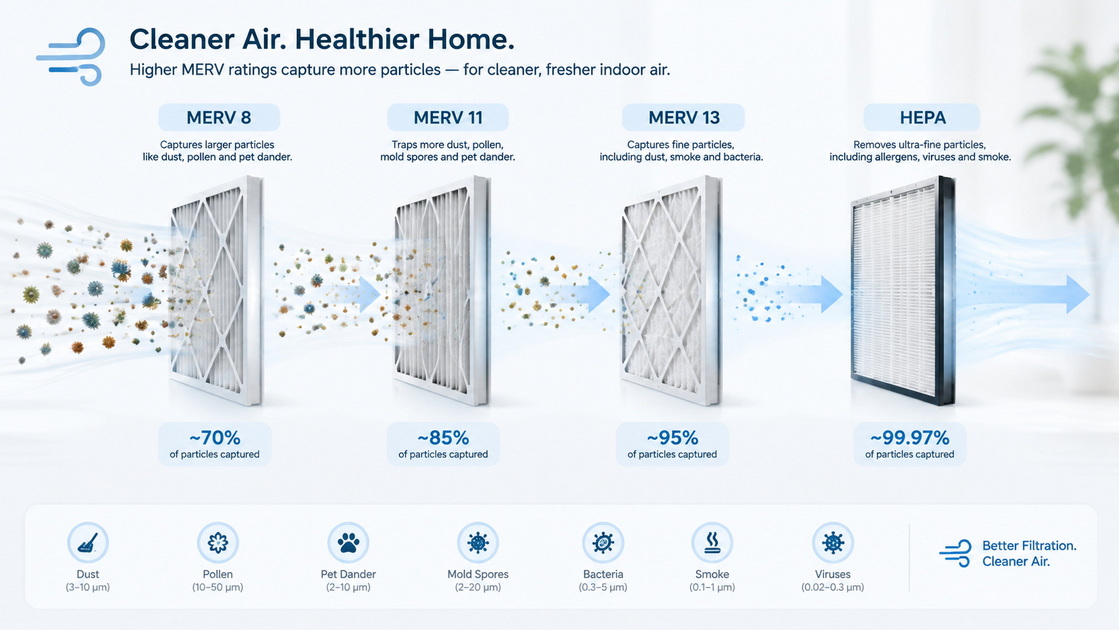
| Filter Type | Typical Filtration Level | Common Uses | Allergy Considerations |
|---|---|---|---|
| Basic fiberglass filter | Low | Basic equipment protection | Usually provides limited support for allergy-focused households |
| MERV 6–8 pleated filter | Moderate | Larger dust, lint, and debris | May be appropriate for mild allergy concerns |
| MERV 10–11 pleated filter | Medium-high | Pollen, pet dander, mold spores, and finer dust | Often a practical option for many allergy-conscious households |
| MERV 13 filter | High | Fine particles, smoke-related particles, and smaller airborne contaminants | Can be beneficial when the HVAC system can support it |
| True HEPA filter | Very high | Portable air cleaners and specialized systems | Often best used in properly sized room air cleaners |
No. A MERV 13 filter can provide stronger filtration than a basic filter, but it may not be suitable for every HVAC system.
A filter that is too restrictive can increase pressure inside the system and reduce airflow. This can lead to comfort problems and mechanical strain, especially in older systems or systems with undersized return ducts.
Potential problems caused by an overly restrictive filter include:
- Reduced airflow from supply vents
- Longer heating or cooling cycles
- Uneven temperatures between rooms
- Increased energy consumption
- Frozen evaporator coils during air conditioning season
- Added stress on the blower motor
- Reduced overall comfort
Before switching to a higher-efficiency filter, it is important to confirm that the filter fits correctly and that the HVAC system can support it.
True HEPA filters are designed to capture very small airborne particles. They are commonly used in portable room air cleaners, medical settings, and specialized filtration systems.
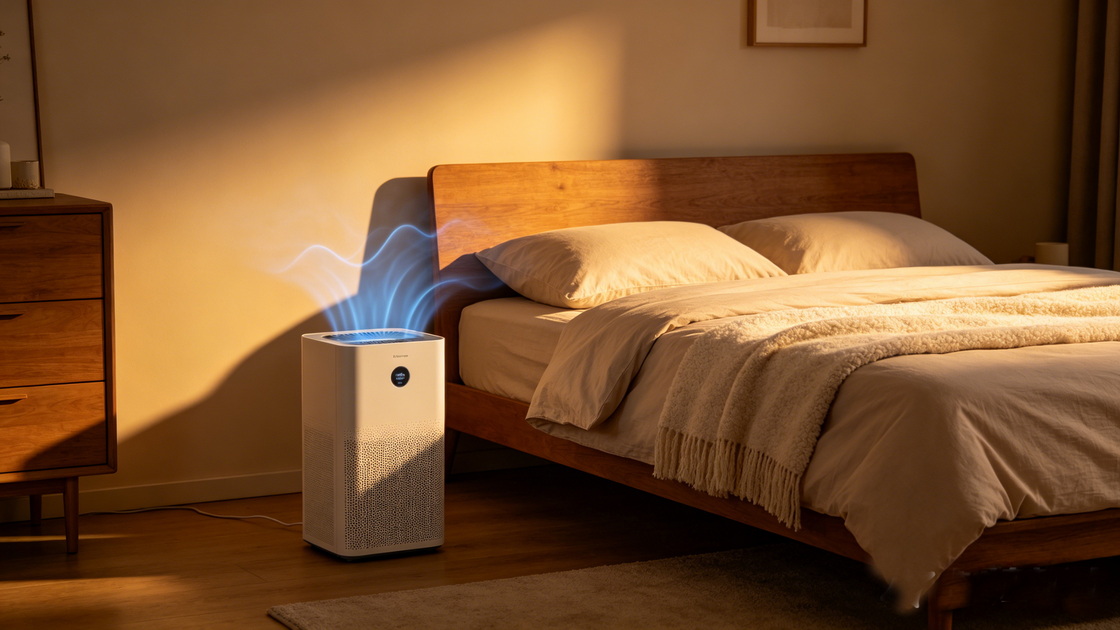
For people with allergies, a portable HEPA air cleaner can be especially useful in rooms where they spend the most time. Bedrooms are often the highest-priority location because people may spend seven to nine hours there each night.
A properly sized HEPA air cleaner can help reduce airborne particles when it runs consistently and is maintained according to the manufacturer's instructions.
A true HEPA filter is much denser than a standard furnace or air-handler filter. It can create significant resistance to airflow.
Most standard residential heating and cooling systems are not designed to operate with a true HEPA filter installed directly in the existing filter slot. Doing so may reduce system performance and create unnecessary wear on the equipment.
A whole-home HEPA filtration setup may require:
- A larger filter cabinet
- More filter surface area
- Improved return-air pathways
- Equipment designed to manage additional airflow resistance
- Airflow testing and pressure measurements
- A maintenance plan for filter replacement
For many homes, a more practical solution is a compatible high-efficiency HVAC filter combined with a portable HEPA air cleaner in one or more priority rooms.
Choosing an allergy-friendly air filter should begin with your household needs and the capabilities of your heating and cooling system.
Different homes have different indoor-air concerns. Before choosing a filter, consider what is most likely contributing to discomfort.
- Seasonal pollen: Often enters through open windows, doors, clothing, shoes, and pets.
- Pet dander: Can remain in the home year-round and settle on furniture, fabrics, and flooring.
- Dust: May be worsened by carpeting, poor housekeeping, air leaks, remodeling, or high HVAC runtime.
- Mold concerns: May indicate humidity problems, water intrusion, drainage issues, or inadequate ventilation.
- Smoke particles: Can become a concern during wildfires, outdoor burning, or nearby traffic pollution.
Understanding the likely trigger helps you choose a more effective filtration and cleaning plan.
Always check the actual dimensions of the existing filter or filter cabinet. A filter that is too small may leave gaps around the edges, allowing unfiltered air to bypass the filter media.
Even a high-quality filter cannot work properly if air flows around it instead of through it.
When replacing a filter, make sure the airflow arrow printed on the frame points in the correct direction. In most systems, the arrow should point toward the blower or air handler.
Many homeowners focus only on the MERV number. Filter depth is also important.
A deeper filter often provides more surface area. In some homes, a four-inch or five-inch media filter can deliver strong filtration with less airflow resistance than a thin one-inch filter with a similar rating.
A deeper media filter may be a valuable option for homes with pets, frequent dust buildup, seasonal allergies, or recurring indoor-air concerns.
Filters become more restrictive as they collect dust and debris. Waiting until a filter looks heavily soiled can reduce airflow and make the heating and cooling system work harder.
A practical replacement schedule may include:
- Replacing one-inch filters about every 30 days during heavy-use periods
- Checking filters more often during high-pollen months
- Replacing filters more frequently in homes with pets
- Inspecting filters after remodeling, construction, or smoke events
- Following the filter manufacturer's instructions for larger media filters
The correct schedule depends on the filter type, HVAC runtime, household conditions, pets, occupancy, and indoor-air quality concerns.
An effective filter is important, but it should be part of a broader approach. The most comfortable homes reduce allergens before they enter, capture particles while they are airborne, and remove particles after they settle onto surfaces.
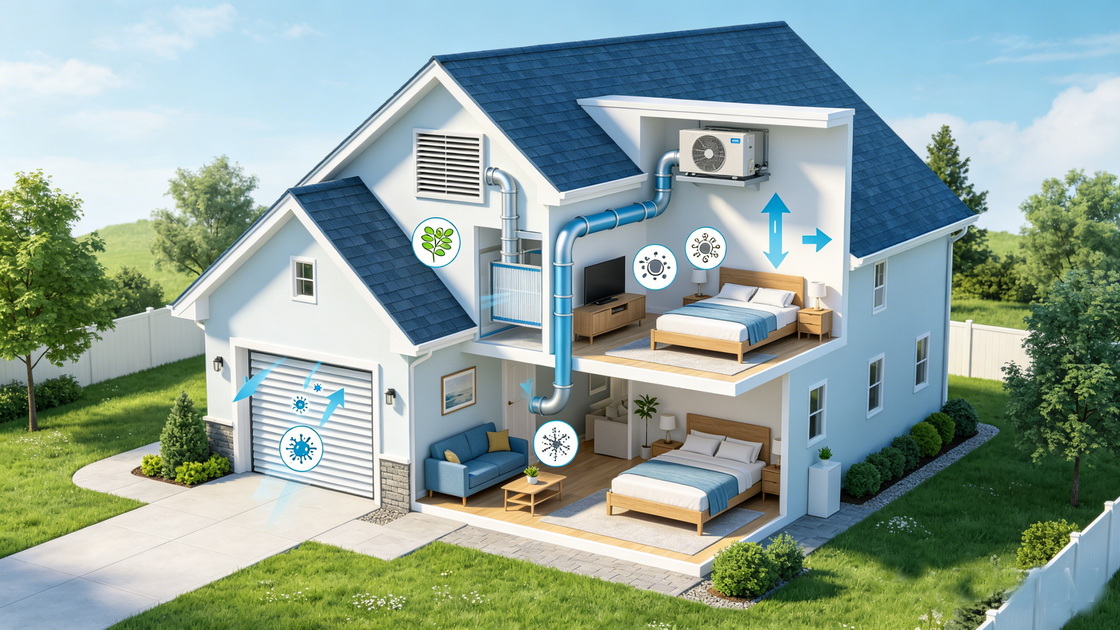
Choose a pleated filter that fits correctly and is suitable for your system. For many homes, MERV 11 or MERV 13 may be a useful option when the equipment can safely support the additional filtration level.
A portable HEPA air cleaner can be helpful in bedrooms, nurseries, home offices, and other rooms where allergy-sensitive family members spend extended time.
Choose a unit that is appropriately sized for the room. A small purifier in a large open space may not provide meaningful results.
Excess humidity can contribute to musty odors, damp conditions, mold growth, and dust-mite activity. If your home feels sticky, develops condensation, or has recurring moisture problems, the HVAC system and home ventilation may need closer evaluation.
Signs that humidity may need attention include:
- Condensation on windows
- Musty odors
- Water stains near ceilings or vents
- Mold growth around bathrooms, windows, or closets
- Damp carpeting or soft flooring
- Persistent indoor stuffiness
During high-pollen periods, simple household habits can reduce the amount of allergens brought indoors.
- Keep windows closed when pollen levels are high
- Remove shoes near the entrance
- Change clothes after spending time outdoors
- Shower before bed after outdoor activities
- Wipe pets' paws and fur after walks
- Keep outdoor furniture and entryways clean
- Avoid drying laundry outdoors during heavy pollen periods
Air filters capture particles that pass through the HVAC system. They cannot remove every particle already trapped in carpets, curtains, bedding, and upholstery.
A regular cleaning routine should include:
- Vacuuming carpets and rugs regularly
- Washing bedding weekly
- Dusting hard surfaces with a damp cloth
- Cleaning pet bedding frequently
- Washing curtains or blinds as needed
- Reducing clutter that collects dust
- Cleaning return-air grilles and supply vents carefully
In many homes, an HVAC filter and a portable air purifier work well together because they serve different roles.
The HVAC filter supports air quality throughout the home when the heating or cooling system is operating. A portable air purifier treats the air in a specific room and can continue running even when the central HVAC system is off.
| Solution | Primary Role | Important Consideration |
|---|---|---|
| HVAC air filter | Supports filtration throughout the home during system operation | Must be compatible with system airflow requirements |
| Portable HEPA air cleaner | Provides concentrated filtration in bedrooms and high-use rooms | Must be properly sized for the room |
| Whole-home air cleaner | Integrates with selected HVAC systems | Requires proper installation and ongoing maintenance |
| Cleaning and source control | Reduces allergens before they circulate or after they settle | Requires consistent household habits |
For many families, a practical strategy is to use a high-quality HVAC filter throughout the home and add a portable HEPA unit in the bedroom of the person most affected by allergies.
Air filtration upgrades should improve comfort, not create new heating and cooling problems.
Professional evaluation may be helpful if you notice:
- Weak airflow from one or more vents
- Hot and cold rooms throughout the house
- Filters becoming dirty unusually fast
- Persistent dust despite frequent cleaning
- Musty or stale odors when the system runs
- Visible moisture near equipment or vents
- Repeated frozen-coil issues during cooling season
- Excessively high utility bills
- Allergy symptoms that seem worse indoors
- Concerns about upgrading to MERV 13 or adding whole-home filtration
A thorough evaluation can identify whether the issue involves the filter, return-air system, ductwork, humidity, equipment performance, or indoor-air conditions.
The best air filter for allergies is not simply the one with the highest number on the label. It is the filter that captures relevant airborne particles, fits the system correctly, supports healthy airflow, and is replaced on time.
For many homes, a carefully selected pleated filter, regular HVAC maintenance, good humidity control, routine cleaning, and targeted room filtration can create a more comfortable indoor environment.
Mega Services Heating & Cooling is committed to helping homeowners improve comfort, safety, and energy efficiency through dependable heating, cooling, maintenance, and indoor-air solutions. A properly maintained HVAC system can support cleaner air while helping your home remain comfortable throughout every season.
For many households, MERV 11 or MERV 13 can provide a useful balance between capturing allergy-related particles and maintaining acceptable HVAC airflow. The best choice depends on the equipment, filter cabinet, return-air design, and system capacity.
It can be, depending on the system. Some HVAC systems can support MERV 13 filters, while others may experience reduced airflow or higher pressure. A properly sized filter cabinet and adequate return airflow are important factors.
True HEPA filters generally capture smaller particles more effectively than standard HVAC filters. However, they are often too restrictive for typical residential systems. A MERV 13 filter may be more practical for whole-home HVAC filtration, while a portable HEPA air cleaner can provide targeted support in bedrooms or other priority rooms.
A dirty filter can reduce airflow and may allow more dust and debris to accumulate inside the HVAC system. A poorly fitted or overdue filter may also allow air to bypass the filter media. Replacing filters on schedule supports better airflow, cleaner equipment, and more consistent indoor comfort.
One-inch filters often need replacement about every 30 days during periods of heavy HVAC use, high pollen, pet shedding, or increased dust. Larger media filters may last longer, but they should still be inspected regularly.
No filter can remove all pollen from a home. A high-quality HVAC filter can help reduce airborne pollen as air moves through the system, but pollen can also settle on floors, furniture, bedding, clothing, and pet fur. Cleaning and source-control habits remain important.
A properly sized portable air purifier with a true HEPA filter may help reduce airborne particles in the room where it operates. It is often most useful in bedrooms, home offices, and other spaces where allergy-sensitive individuals spend long periods of time.
Yes. Excess humidity can support mold growth and dust-mite activity, while very dry air may irritate the nose, throat, and skin. Maintaining balanced indoor humidity can improve overall comfort and help reduce certain indoor-air concerns.
1. One Hour Heating & Air Conditioning. "" Updated December 5, 2025.
2. U.S. Environmental Protection Agency. "."
3. U.S. Environmental Protection Agency. "."
4. ASHRAE. "."
5. Centers for Disease Control and Prevention. "."
6. Sublett, J. L. "."
7. Butz, A. M., et al. "."


