
Views: 222 Author: Mega Services Publish Time: 2026-07-26 Origin: Site


Content Menu
● What Is an HVAC Condensate Drain Line?
● Common Causes of a Clogged Drain Line
>> Step 1: Inspect the drain pan
>> Step 2: Locate the cleanout
>> Step 5: Restore power and monitor
● When Professional Help Is Needed
● Moisture, Comfort, and Indoor Air Quality
● FAQ
>> 1. How often should a condensate drain line be cleaned?
>> 2. Can vinegar help clean the line?
>> 3. What happens if the line is clogged?
>> 4. Why does my AC keep clogging?
>> 5. Is bleach a good choice for the drain line?
An HVAC condensate drain line is one of the most overlooked parts of a home comfort system, yet it plays a major role in keeping your property dry and your equipment protected. When this line is clear and draining properly, it carries away the moisture your air conditioner or heat pump removes from indoor air. When it is clogged, the result can be standing water, musty odors, and costly damage around the indoor unit. [lennox]
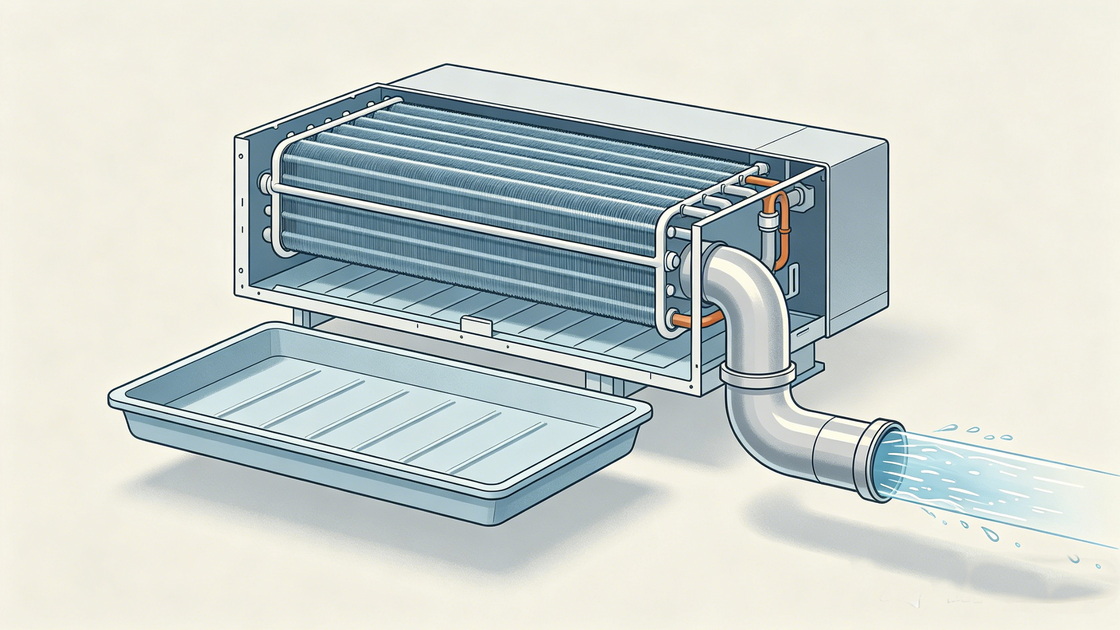
An HVAC condensate drain line is the pipe or tube that removes water produced during the cooling process. As warm indoor air passes over the cold evaporator coil, moisture condenses into liquid and collects in a drain pan before flowing out through the line. [carrier]
This process happens quietly in the background, so many homeowners do not notice it until something goes wrong. In homes where the indoor unit is located in an attic, closet, or utility space, a drainage problem can become visible only after water has already started to overflow. [beckettus]
A properly working drain line does more than move water out of the unit. It helps prevent water damage, supports indoor comfort, and reduces the chance of mold-related problems caused by excess moisture. The EPA notes that moisture control is the key to mold control and recommends keeping indoor humidity in a healthy range. [epa]
If water cannot leave the system, it may back up into the drain pan or leak into nearby building materials. That can lead to stained ceilings, warped drywall, damaged insulation, and a home that feels more humid than it should. [lennox]
Most clogs develop gradually. Dust, dirt, algae, mold, and general debris can accumulate inside the line over time, especially if the filter is dirty or the coil is not cleaned regularly. [drainiv]
Some common causes include:
- Dust and dirt buildup from the indoor air stream.
- Mold or algae growth in the moist drain line.
- A dirty evaporator coil.
- A clogged drain pan.
- Poor slope or a damaged line.
- A blocked outlet where the pipe drains outside. [drainiv]
In many cases, the line is not the only problem. If the system is producing more moisture than usual or pulling in too much debris, the clog may return unless the source is addressed as well. [carrier]
Homeowners often spot the symptoms before they understand the cause. A clogged condensate drain line may show up as water around the indoor unit, a system that shuts off unexpectedly, or a musty smell when the air conditioner is running. [bonney]
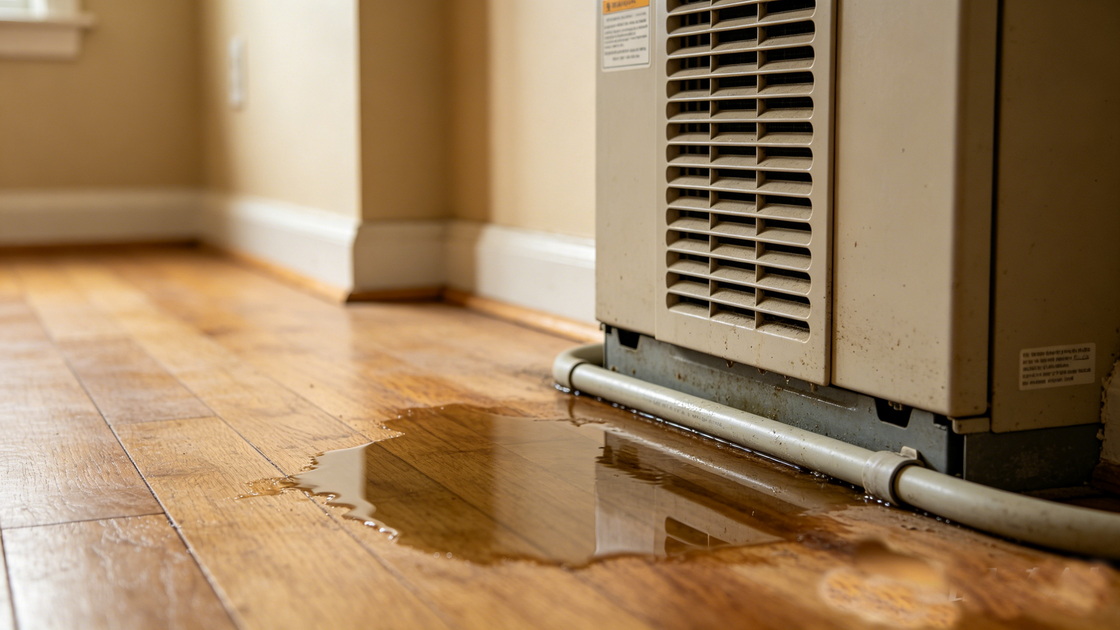
Watch for these signs:
- Standing water near the air handler or furnace.
- Water stains on ceilings, walls, or floors.
- A drain pan that stays wet or overflows.
- A safety switch that turns the system off.
- Musty or stale odors from vents.
- Higher indoor humidity than usual. [rinaldis]
If the unit is in an attic or over finished space, even a small leak can become a bigger repair issue fast. That is why early detection matters. [beckettus]
Before doing any maintenance, turn off power to the HVAC system. This is an important safety step and keeps the unit from producing more condensation while you work. [aireserv]
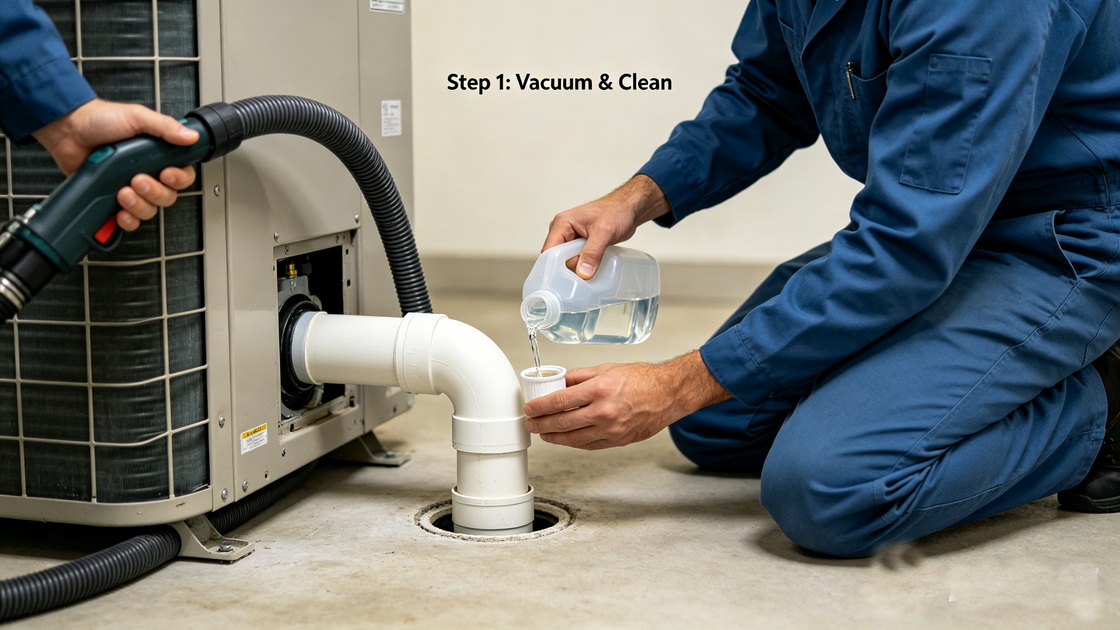
Check the drain pan for standing water, dirt, or sludge. If there is water present, remove it with towels or a wet/dry vacuum. [beckettus]
Many systems have a small access point or cleanout tee that allows you to flush the line. This is often the easiest place to pour cleaning solution into the drain. [reliableair]
A common maintenance method is to use distilled vinegar or another approved cleaner, then follow with water to help clear residue. Some homeowners also use a wet/dry vacuum at the outlet end of the line to remove blockages. [aireserv]
After flushing, pour in clean water and confirm that it flows out normally. If the water backs up again, the clog may be deeper than a simple flush can reach. [carrier]
Turn the system back on and monitor it during the next cooling cycle. If water returns, shut the system down and have it inspected. [beckettus]
Prevention is usually easier than repair. Regular filter changes, coil cleaning, and seasonal HVAC maintenance can reduce the buildup that causes drain line issues. [lennox]
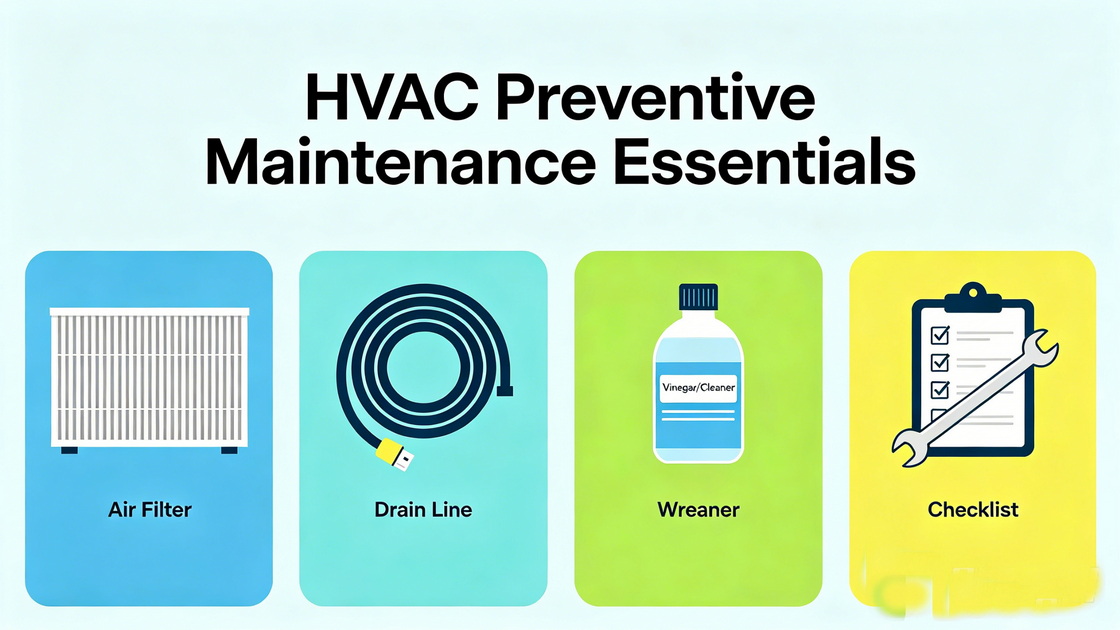
Helpful habits include:
- Replace filters on schedule.
- Keep the evaporator coil clean.
- Flush the drain line periodically.
- Check the drain pan during maintenance.
- Make sure the line outlet is clear outside.
- Have the system inspected at least once a year. [terrysacandheating]
Some HVAC providers recommend using a small amount of distilled vinegar several times per year as a preventive measure. While this can help with light buildup, it is not a substitute for a proper system inspection when the clog keeps coming back. [trane]
If the line clogs repeatedly, if the system shuts down often, or if there is visible water damage, it is time to call a technician. A professional can inspect the drain pan, line slope, coil, trap, fittings, and safety switch together instead of treating only one symptom. [carrier]
Professional service is also the safer choice when:
- The line is hard to reach.
- The clog does not clear with flushing.
- The pipe is cracked or leaking.
- Mold is visible near the indoor unit.
- The system is installed above finished living space. [epa]
A recurring condensate issue often points to a larger maintenance or installation problem, not just a one-time blockage. That is why repeated backups should never be ignored. [drainiv]
A clogged line can often be cleaned, but damage to the pipe itself may require repair or replacement. If the line is brittle, poorly routed, or repeatedly failing, replacing it may be the more reliable long-term solution. [lennox]
Signs that replacement may be needed include:
- Cracks or leaks in the pipe.
- Repeated clogs after cleaning.
- Improper slope or unsupported sections.
- Multiple patched repairs.
- Ongoing water damage around the unit. [drainiv]
A technician can help determine whether the issue is a simple blockage, a maintenance problem, or a layout problem that needs a more permanent fix.
The condition of the condensate drain line affects more than the HVAC cabinet. It also affects how your home feels. When drainage is poor and humidity rises, indoor comfort can drop even if the temperature setting has not changed. [bonney]
That extra moisture can also increase the chance of mold-friendly conditions near the system. The EPA guidance on mold emphasizes fast drying and moisture control as the foundation of prevention. [ww2.epatest]
In practical terms, a clean drain line is part of a larger moisture-management strategy. Good filtration, coil maintenance, and correct drainage all work together to keep the system performing well.
Most homes benefit from inspection during annual HVAC maintenance, with extra preventive flushing during heavy cooling seasons if the system has a history of clogging. [terrysacandheating]
Yes. Distilled vinegar is commonly used for preventive maintenance and light buildup, but it may not clear a severe blockage. [trane]
Water can back up into the drain pan, leak into the home, or trigger a system shutdown through the safety switch. [lennox]
Recurring clogs usually point to dirt buildup, algae, a dirty coil, poor drainage slope, or another underlying system issue. [drainiv]
Some sources mention bleach, but many HVAC maintenance guides favor vinegar or approved cleaners because they are commonly used for light preventive cleaning. [reliableair]
- Carrier. [How to Clean AC Drain Line | AC Maintenance Guide] [carrier]
- One Hour Heating & Air Conditioning. [Put It All on the (Drain) Line: HVAC Condensate Lines] [onehourheatandair]
- U.S. EPA. [A Brief Guide to Mold, Moisture and Your Home] [epa]
- U.S. EPA. [Mold Course Chapter 2] [epa]
- Providence Homes. [How to Flush HVAC Drain Line in a Zero Energy Ready Home] [providencehomesinc]
- Terry's AC and Heating. [DIY: Condensate Drain Line Maintenance] [terrysacandheating]
- Trane. [AC Condensate Drain Line Clogged? Get Expert Help] [trane]
- AHS. [How to Clean Your Air Conditioner's Condensate Drain Line] [ahs]


