
Views: 222 Author: Mega Services Publish Time: 2026-05-11 Origin: Site


Content Menu
● Understanding Why You Can't Just Throw an AC Away
● Old AC Disposal Options at a Glance
>> Main paths for an old air conditioner
● Option 1: Let Your HVAC Contractor Handle Haul‑Away
>> What professional haul‑away typically includes
● Option 2: Recycle Your Air Conditioner the Right Way
>> How air conditioner recycling works
>> How to find a certified recycler near you
● Option 3: Utility "Turn‑In" and Bounty Programs
● Option 4: Donate or Sell Your Old AC (When It's Allowed)
● Option 5: Junk Removal Services for Fast, Hands‑Off Disposal
● Special Case: What to Do With Old Window and Portable AC Units
>> Best practices for small units
● Step‑by‑Step: How Homeowners Can Responsibly Retire an Old AC
● Hidden Risks of DIY AC Removal
● How Mega Services Heating & Cooling Makes Old AC Disposal Easy
>> What we typically provide during replacement
● When to Call a Professional Immediately
● Call to Action: Ready to Upgrade and Retire Your Old AC Responsibly?
>> 1. Can I put my old air conditioner out with regular trash?
>> 2. Is it illegal to cut refrigerant lines myself?
>> 3. What if my old AC still works?
>> 4. Are there any financial incentives for recycling my old air conditioner?
>> 5. Why should I let my HVAC contractor handle old AC disposal?
When you finally upgrade to a quieter, more efficient air conditioner, the last thing you want is the old unit rusting in your backyard or leaking refrigerant in the trash. As an HVAC professional at Mega Services Heating & Cooling, I'm often asked, "What should I do with my old AC once the new one is installed?" In this guide, I'll walk you through practical, eco‑friendly options for old air conditioner disposal, recycling, and even donation—so you protect your home, your wallet, and the environment. [heatandcool]
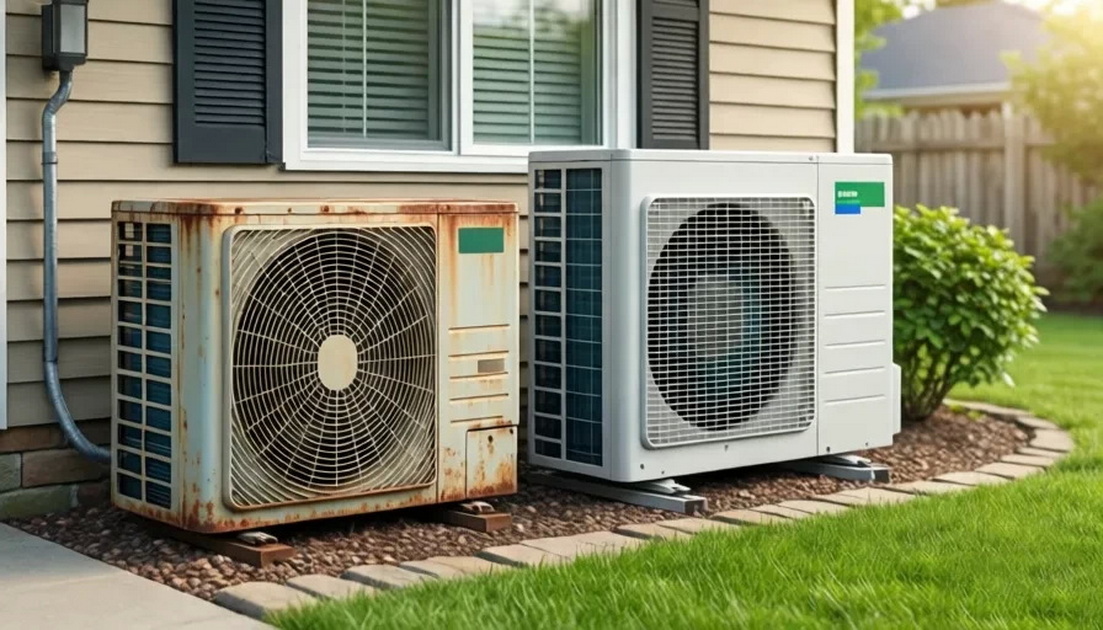
Many homeowners are surprised to learn that you can't simply drag an air conditioner to the curb and hope the trash truck takes it. Modern AC units contain refrigerants, oils, and electronics that are regulated because they can damage the ozone layer and contribute to greenhouse gas emissions if released. [pw.lacounty]
From the field, I've seen well‑intentioned DIY removals turn into costly environmental and safety issues. Improperly cutting lines or dumping a unit can result in fines, health risks, and avoidable pollution. That's why the EPA and local authorities require special handling and certified technicians for refrigerant recovery. [aircomfortmn]
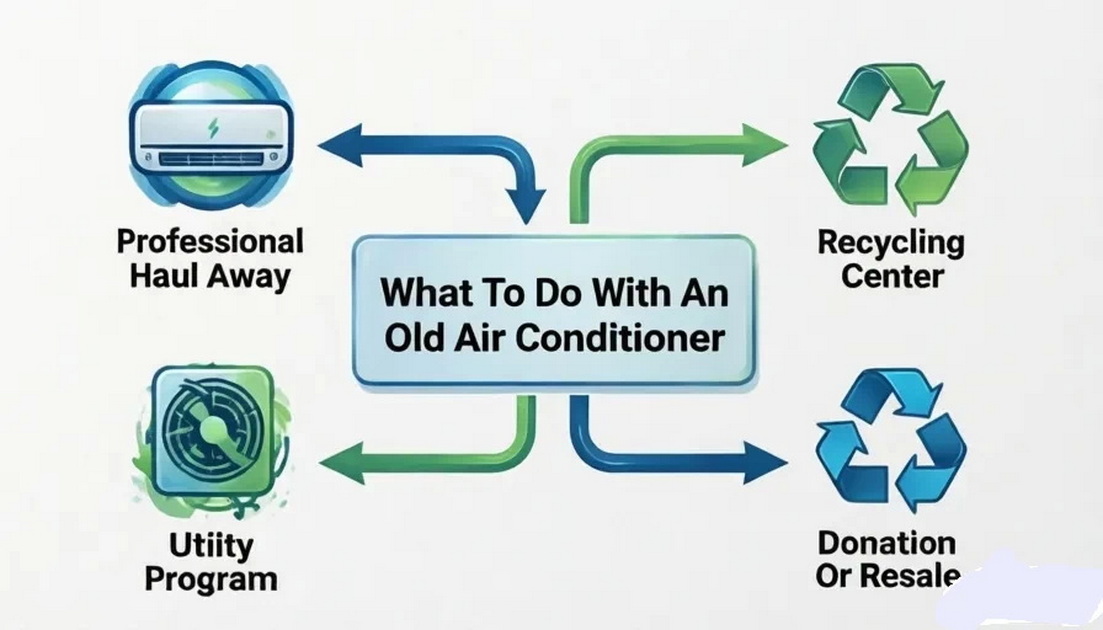
Before we dive into step‑by‑step guidance, here's a quick overview of your main options for an old air conditioner once you've upgraded. [rinaldis]
| Option | Best for | Key benefits |
|---|---|---|
| Professional haul‑away | Full system replacements | Safest, simplest, compliant |
| Certified recycling center | Eco‑conscious homeowners | Maximizes material recovery |
| Utility or bounty programs | Older, still‑running units | Possible rebates or bill credits |
| Donation or resale | Working, post‑2010 units | Helps others, extends product life |
| Junk removal service | No‑time, heavy/complex units | Convenience and one‑stop handling |
[goloadup]
The easiest and most worry‑free option is to have a professional HVAC company handle everything from removal to disposal. At Mega Services Heating & Cooling, we routinely include old AC haul‑away with full system replacements so homeowners never have to touch the old unit. [aircomfortmn]
- Safe disconnection of the old system
- EPA‑compliant refrigerant recovery by certified technicians
- Transport to a certified recycler or approved facility
- Cleanup of the work area and removal of scrap materials
From my experience, this is the best route if your system is large, installed in a tight space, or connected to existing ductwork and electrical lines. It dramatically reduces risk and ensures every step is documented and compliant with local rules. [aircomfortmn]
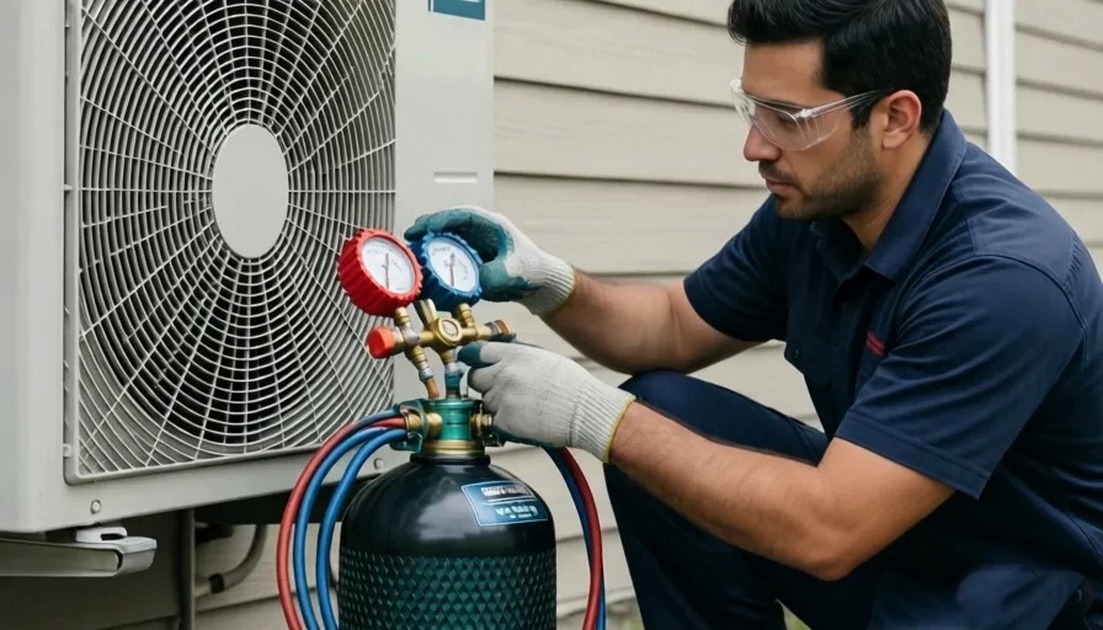
If you're handling the unit yourself—or if haul‑away isn't included—recycling is usually the most responsible choice. Many recycling centers accept air conditioners, as long as refrigerants are properly managed. [comprenew]
1. Refrigerant recovery – A certified technician removes and captures refrigerant such as R‑22 or R‑410A. [heatandcool]
2. Component separation – Metals (steel, copper, aluminum), plastics, and electronics are separated for recycling. [comprenew]
3. Material reuse – Recovered metals and some parts re‑enter the manufacturing cycle, reducing demand for new raw materials. [energystar]
Recycling protects the environment and makes the most of the materials in your old system. [heatandcool]
- Check your city or county's waste and recycling website for "appliance recycling" or "air conditioner recycling." [1800gotjunk]
- Ask your HVAC contractor which local recyclers they use. [aircomfortmn]
- Look for listings that specifically mention refrigerant handling or EPA‑certified technicians. [energystar]
In some areas, recyclers will even pick up your unit directly from your home, sometimes for free or for a modest fee. [goloadup]
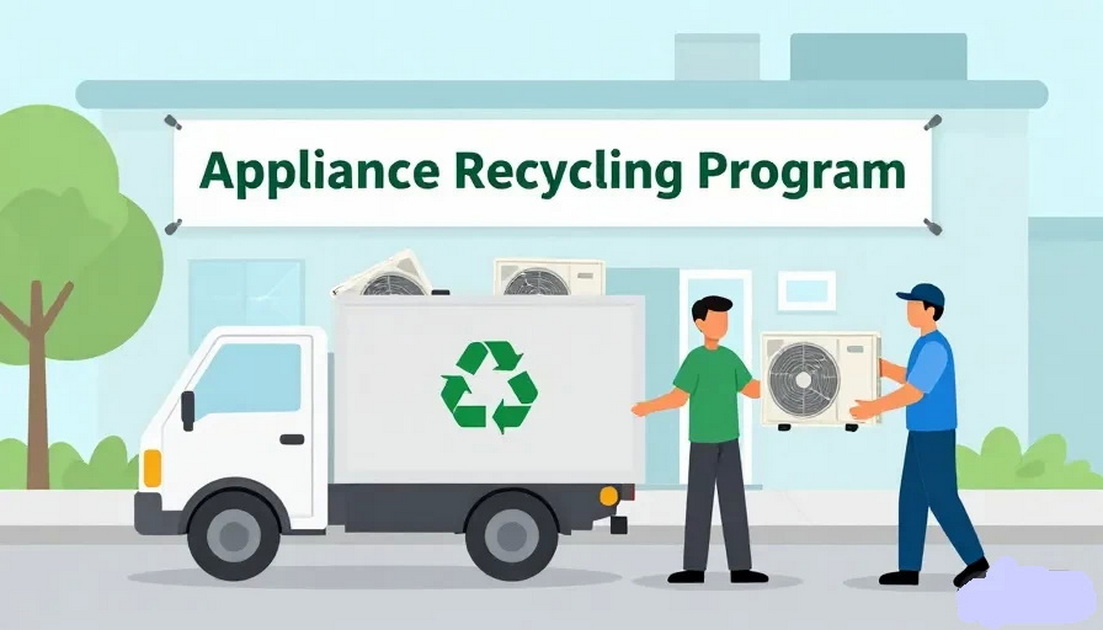
In recent years, many utilities and energy‑efficiency programs have launched AC turn‑in events and bounty programs for old, inefficient room air conditioners. These programs often provide: [oregonheating]
- Free or low‑cost pickup
- Rebates, gift cards, or bill credits
- Assurance that the unit is recycled and refrigerants are handled properly
[rinaldis]
From an expert's point of view, these programs are a win‑win: homeowners save money and utilities reduce peak demand by encouraging removal of inefficient units. Check your local utility's website for "room air conditioner recycling" or "appliance bounty program" to see if you qualify. [rinaldis]
If your air conditioner still runs, you may be able to give it a second life through donation or resale. However, there are important restrictions you need to know. [goloadup]
Air conditioners manufactured before about 2010 often contain R‑22 refrigerant, which has been phased out due to its environmental impact and can't be sold in new equipment in the U.S. Because of this, selling these older units is typically prohibited, and even donation is discouraged to prevent harmful refrigerants from staying in circulation. [heatandcool]
For newer units using modern refrigerants, you can consider:
- Donating to local charities, community centers, or shelters
- Offering the unit to a neighbor or family member
- Listing it on community marketplaces with full disclosure of age and condition
[goloadup]
In my work with homeowners, I advise donation or resale only when the unit is safe, efficient enough, and compliant with current refrigerant regulations. [energystar]
If coordinating recycling and transport feels overwhelming, licensed junk removal companies can take your air conditioner as part of a scheduled pickup. The better services partner with recyclers and refrigerant technicians so the unit is handled responsibly. [1800gotjunk]
This is especially helpful when:
- You are replacing multiple window or room units
- You're clearing a property or estate quickly
- You don't own a vehicle that can safely transport the AC
Just make sure the company explicitly states that they recycle appliances and follow environmental regulations, not just dump them. [1800gotjunk]
Window and portable air conditioners are smaller, but they still contain refrigerant and should never be tossed in regular trash. The good news is that they're easier to move and often fit in a car trunk, which gives you more disposal options. [goloadup]
- Contact your local recycling center to confirm drop‑off rules for room air conditioners. [1800gotjunk]
- Use utility turn‑in events if available for room units in your area. [energystar]
- If the unit still works and is relatively new, consider donation to a local organization in need of cooling equipment. [heatandcool]
Even though they're smaller, window units pose the same environmental risks as larger systems if mishandled, so treat them with the same level of care. [goloadup]
If you prefer a clear checklist, here is a simple, expert‑backed process I share with our customers. [rinaldis]
1. Confirm replacement details
Make sure your new system is correctly sized, installed, and running before removing the old one entirely. [aircomfortmn]
2. Ask about haul‑away
Check your installation agreement to see if haul‑away is included; if not, ask your HVAC company to add it. [aircomfortmn]
3. Decide on your primary option
Choose between professional haul‑away, recycling, a utility program, or junk removal based on budget and convenience. [rinaldis]
4. Schedule certified refrigerant recovery (if needed)
If you're keeping control of the unit, arrange for an EPA‑certified technician to safely remove the refrigerant before transport. [heatandcool]
5. Transport safely
Keep the AC upright, avoid damaging tubing, and follow any instructions from the recycler, utility, or removal service. [goloadup]
6. Keep records
Save any receipts or confirmation from recyclers or utilities; they can be helpful for warranties, rebates, or future home sale disclosures. [rinaldis]
From an industry perspective, DIY removal and disposal is where we see the most costly mistakes. Common issues include: [indoortemp]
- Cutting refrigerant lines and venting gases into the air
- Damaging electrical wiring or breakers
- Leaving heavy units in unsafe locations, creating fall or injury hazards
Beyond safety and environmental impact, you may also violate local regulations by mishandling refrigerants and appliances, which can lead to fines or denial of certain permits. When in doubt, involve a professional. [indoortemp]
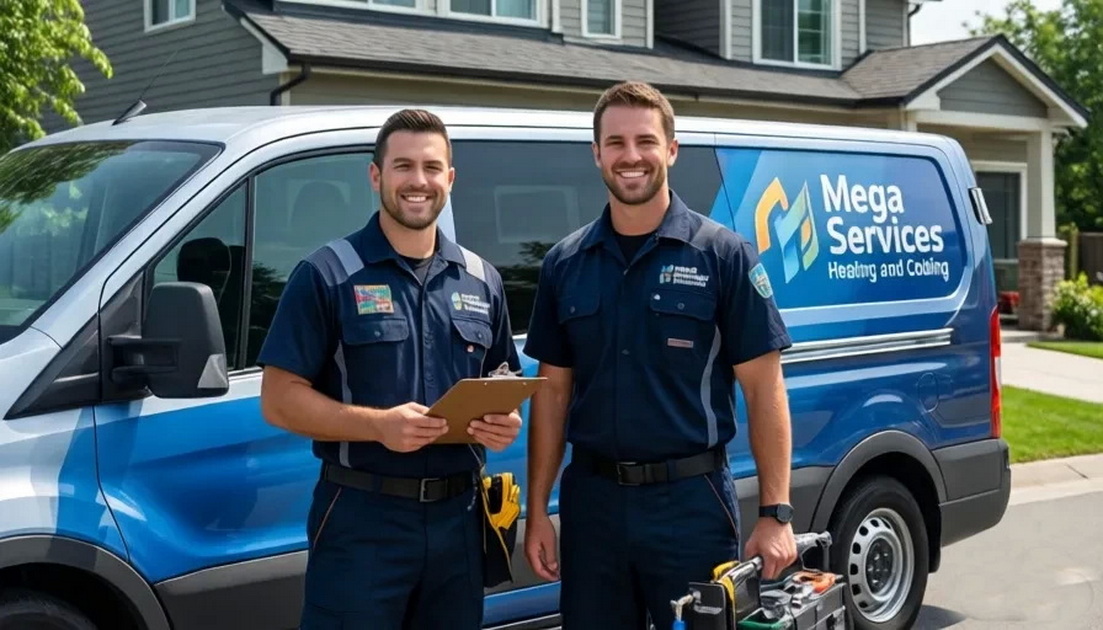
At Mega Services Heating & Cooling, our goal is to make your AC upgrade smooth from the first consultation to the final cleanup. Drawing on years in the field, we've built processes to ensure your old HVAC equipment is handled safely and responsibly.
- Expert system evaluation and sizing
- Professional installation of your new, energy‑efficient unit
- Safe removal and haul‑away of your old air conditioner
- Coordination with certified recyclers and refrigerant handlers
Because we manage these steps every day, you get peace of mind knowing your old AC is not sitting in a landfill or leaking refrigerant somewhere it shouldn't. [energystar]
You should contact a licensed HVAC professional or local authority without delay if:
- Your old unit is leaking oil or refrigerant
- You smell strong chemical odors near the system
- The unit has been damaged in a storm, flood, or fire
- You're unsure whether your unit contains phased‑out refrigerants like R‑22
In these cases, continuing to handle the equipment yourself can be dangerous. A quick call can prevent injuries and potential environmental damage. [indoortemp]
If you're planning to replace an old air conditioner and want a solution that's safe, efficient, and environmentally responsible, Mega Services Heating & Cooling is here to help from start to finish. Our licensed experts can recommend the right new system and handle removal, refrigerant recovery, and recycling of your old unit in one seamless visit. [rinaldis]
Contact Mega Services Heating & Cooling today to schedule your AC replacement and let us take the stress out of what to do with your old air conditioner.
No. Because air conditioners contain regulated refrigerants and other hazardous materials, they should not be placed with regular household trash or bulk pickup. [pw.lacounty]
In many regions, only certified technicians are allowed to handle and recover refrigerants, and venting them to the atmosphere is prohibited. Always check your local regulations and rely on professionals. [indoortemp]
If the unit is newer and uses a modern refrigerant, you may be able to donate or sell it, or turn it in through a utility efficiency program. Pre‑2010 units with R‑22 are generally not suitable for resale. [goloadup]
Some utilities and efficiency programs offer rebates, discounts, or bill credits when you recycle older room air conditioners or upgrade to more efficient systems. Check with your local provider for current offers. [oregonheating]
Your HVAC contractor has the training, tools, and partnerships with recyclers to manage refrigerant, heavy equipment, and compliance rules safely. This protects your home, your health, and the environment. [aircomfortmn]
1. One Hour Heating & Air Conditioning of Cincinnati – "What to Do With an Old Air Conditioner Once You Have It Replaced" (original article used for structure and topic inspiration).
2. U.S. EPA / ENERGY STAR – "Recycle Other Appliances" – Guidance on refrigerants and appliance recycling programs. https://www.energystar.gov/products/recycle/recycle_other_appliances
3. Los Angeles County Public Works – "How to dispose of old water coolers, refrigerators, and air conditioners" – Local example of certified appliance recycler requirements. https://pw.lacounty.gov/general/faq/index.cfm?20065=20065&Action=getAnswers&FaqID=JSM9PzRSLSggCg%3D%3D
4. HeatAndCool.com – "How to Dispose of an Air Conditioner" – Discussion of eco‑friendly disposal and recycling options. https://heatandcool.com/blogs/news/how-to-dispose-of-an-air-conditioner
5. Rinaldi's Air Conditioning – "HVAC Disposal: The Eco‑Friendly Way – What You Can Recycle" – Overview of recycling, landfill, and donation options for old HVAC systems. https://rinaldis.com/blog/hvac-disposal-the-eco-friendly-way-what-you-can-recycle
6. Air Comfort – "The Best Practices for HVAC System Recycling and Disposal" – Best practices for professional HVAC disposal and refrigerant handling. https://www.aircomfortmn.com/blog/the-best-practices-for-hvac-system-recycling-and-disposal
7. LoadUp – "How to Properly Dispose of an Old Air Conditioner" – Practical homeowner steps and junk removal context. https://goloadup.com/blog/decluttering/how-to-dispose-air-conditioner/
8. Comprenew – "Air Conditioner Recycling and Disposition" – Information on appliance recycling services and priorities. https://comprenew.org/recycling/air-conditioner-recycling-and-disposition/


