
Views: 221 Author: Mega Services Publish Time: 2026-09-27 Origin: Site


Content Menu
● Start With the Cooling Problem
● Whole-Home Air Conditioning Systems
>> Ducted Air-Source Heat Pumps
>> Dual-Fuel Heating and Cooling
● Cooling Without Existing Ductwork
>>> Wall-Mounted, Floor-Mounted, and Ceiling Units
● Features Are Not Separate AC Types
● How to Compare Energy Efficiency
● Three Questions to Ask Before Installation
>> 1. How Was the Equipment Size Chosen?
>> 2. What Does the Installed Quote Include?
>> 3. What Refrigerant Will the New System Use?
● Protecting Comfort After Installation
>> 1. What Is the Best Type of Air Conditioner for a Whole House?
>> 2. Is a Mini-Split Better Than Central AC?
>> 3. Can a Heat Pump Replace My Air Conditioner?
>> 4. How Big Should an AC Be for a 2,000-Square-Foot House?
>> 5. Does a Higher SEER2 Rating Always Mean Lower Bills?
>> 6. Is a Smart AC a Different Type of System?
>> 7. Do I Need to Replace an Older AC Because of Its Refrigerant?
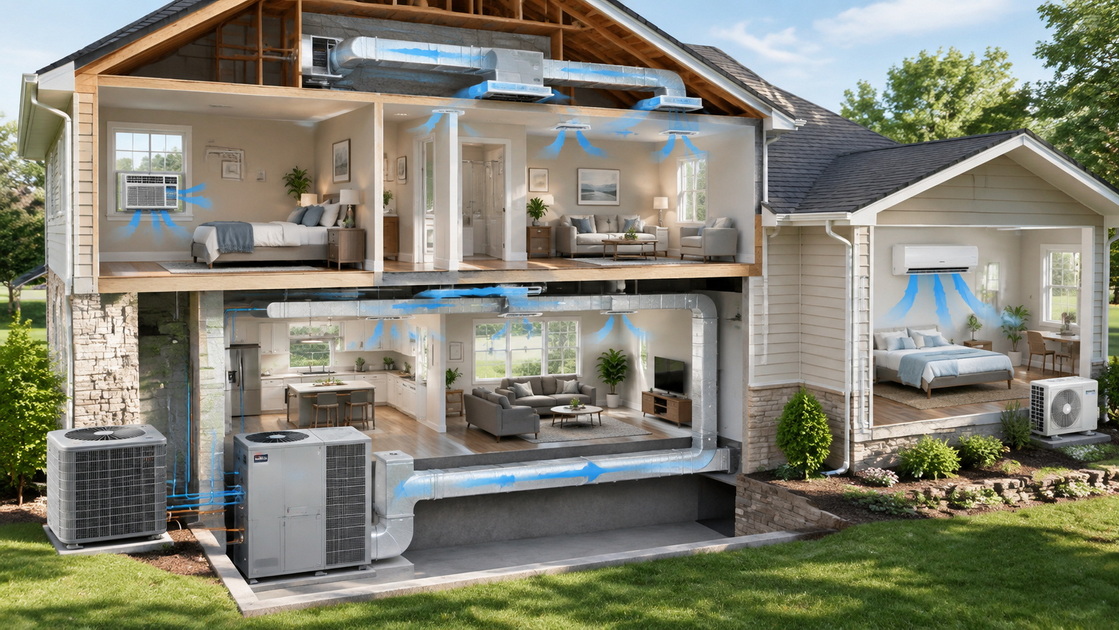
Choosing among the different types of air conditioning systems starts with a simple question: What part of your home needs cooling? A system designed for one bedroom will not solve a whole-house comfort problem. And a new central air conditioner may not fix a hot upstairs room if poor airflow is the real cause.
Your home's layout, existing ductwork, heating needs, and installation requirements all affect the answer. This guide explains the main home AC options, where each works best, and what to ask before making a decision.
Before comparing equipment, describe what is happening in your home. Does every room feel warm, or is one space difficult to cool? Is the current system failing, or has an addition never had adequate cooling? Do you also plan to replace your heating equipment?
Those answers help separate three needs:
| Cooling need | Options to explore | What to check first |
|---|---|---|
| Most or all of a ducted home | Central AC or ducted heat pump | Duct condition, airflow, and system sizing |
| A room or area without ducts | Ductless mini-split | Indoor-unit location and installation requirements |
| One room with a compatible window | Window air conditioner | Room size, window fit, and noise |
| A room where a window unit will not fit | Portable air conditioner | Exhaust setup and available floor space |
| Heating and cooling in one project | Heat pump, dual-fuel, or geothermal system | Heating load, installation scope, and operating costs |
Use this table to narrow the conversation, not to select equipment by yourself. A whole-home recommendation should follow an assessment of the house.
Central air conditioning cools air at an indoor coil and distributes it through ducts. It is a familiar option for a home that already has a suitable duct system. One thermostat can control the system, and conditioned air reaches multiple rooms through supply vents.
The ducts deserve as much attention as the new equipment. Leaks, inadequate insulation, restricted airflow, or poorly located returns can leave rooms uncomfortable even after an AC replacement. If one room has always been hot, ask for the cause to be investigated before assuming a larger outdoor unit will help.
Central AC provides cooling, not heating. If your furnace is also nearing replacement, compare the combined heating and cooling plan with a heat-pump option. That comparison may reveal installation work or long-term costs that are easy to miss when shopping for an AC unit alone.
An air-source heat pump cools the home in summer and can provide heat when temperatures fall. A ducted model delivers conditioned air through a distribution system much like central AC.
Heat pumps are worth considering when you want to review heating and cooling together. Their suitability depends on the home's heating load and the specific equipment proposed. Cold-climate models are available, but performance varies by model and outdoor temperature. A useful proposal should identify the equipment's heating performance and explain whether backup heat is needed.
A heat pump does not eliminate the need to inspect ducts. If the existing system struggles to move air through the house, that problem must be addressed in the design.
A dual-fuel system combines an electric heat pump with a fuel-fired furnace. The heat pump provides cooling and can handle some or much of the heating. The furnace provides another way to heat the home.
This arrangement may make sense if you want to retain a suitable furnace or compare the cost of electricity with natural gas or another fuel. Its controls determine when the system changes heating sources.
Do not rely on a single changeover temperature quoted for every home. The setting should account for the proposed heat pump, the home's heating requirements, and local energy costs. Ask the installer how the setting was chosen and whether it can be adjusted.
A geothermal, or ground-source, heat pump exchanges heat with the ground through an installed loop system. It can provide both heating and cooling. Because installing the loop is a substantial part of the project, geothermal deserves a site-specific assessment rather than a quick comparison based only on equipment ratings.
It may be worth exploring during a new build, major renovation, or long-term home investment. The proposal should explain the loop location, property work, indoor equipment, and full installed cost. Compare those requirements with other systems that could meet the same comfort needs.

A ductless mini-split connects an outdoor unit to one or more indoor units. It delivers cooling directly to the spaces it serves instead of relying on a home's central ducts. Many models are heat pumps and can provide heating as well.
A mini-split can be a strong candidate for an addition, converted garage, sunroom, or persistently warm upstairs room. It is also an option for a home without ductwork. The key is deciding whether the problem is limited to a particular area or points to a wider issue with insulation, airflow, or the existing system.
Plan the indoor-unit location carefully. It needs to fit the room visually, direct air where it is useful, and allow access for cleaning and service. The installer must also plan the connections between indoor and outdoor equipment and the path for condensate drainage.
These terms generally describe how an indoor unit is installed. They are not three unrelated methods of cooling.
Wall-mounted units are common in homes. Floor-mounted units may suit some rooms where a higher wall position is impractical. Ceiling cassettes may offer another placement option if the ceiling space and product requirements allow it. Ask about access for maintenance and drainage before choosing a style for its appearance alone.
A window air conditioner can cool a single room without a central distribution system. It may be suitable when a permanent installation is unnecessary or when you need a straightforward room-by-room option.
Correct sizing matters. A unit that is too small may struggle on hot days. A unit that is too large can cool the air quickly without removing enough moisture, leaving the space less comfortable than you expected. Use a room-air-conditioner sizing guide as a starting point, then account for sunlight, occupancy, and how the room is used.
Also check the window itself. The unit must fit securely, maintain a weather-resistant seal, and meet the product's installation instructions. Compare operating noise and any window access you will lose.
A portable air conditioner sits inside the room, but it still needs a way to exhaust heat outdoors—usually through a window connection. It can be useful where a window unit will not fit or where a movable solution matters.
"Portable" does not mean vent-free. Check the exhaust-kit fit, electrical requirements, drainage instructions, and the amount of floor space the unit will occupy. If your goal is to cool several rooms at once, compare that plan with a more permanent option rather than expecting one portable unit to solve a whole-home problem.
Product descriptions can make the category list seem longer than it is. A "smart air conditioner" may be a window unit, portable unit, mini-split, or central system with connected controls. Remote adjustments and scheduling may be convenient, but those features do not tell you whether the equipment is correctly sized.
Likewise, the shape of an indoor unit does not by itself reveal what areas the complete system can serve. Begin with the home's cooling needs; consider controls and appearance after the system design makes sense.
For central air conditioners and heat pumps, you will see ratings such as SEER2 and EER2 for cooling. Heat pumps also have an HSPF2 heating-efficiency rating. These ratings help you compare equipment under standardized test conditions.
They are not a promise of a particular utility bill. Your results also depend on installation, ducts, airflow, thermostat settings, maintenance, weather, and how you use the home. When reviewing an older unit's paperwork, do not treat an older SEER number and a newer SEER2 number as identical measurements.
For a room AC, compare the efficiency information on models that meet the room's needs. A strong rating will not compensate for poor window sealing or a unit that is badly mismatched to the space.
Ask contractors to identify the efficiency rating of the *proposed equipment combination*, not just quote a number from one component's brochure.
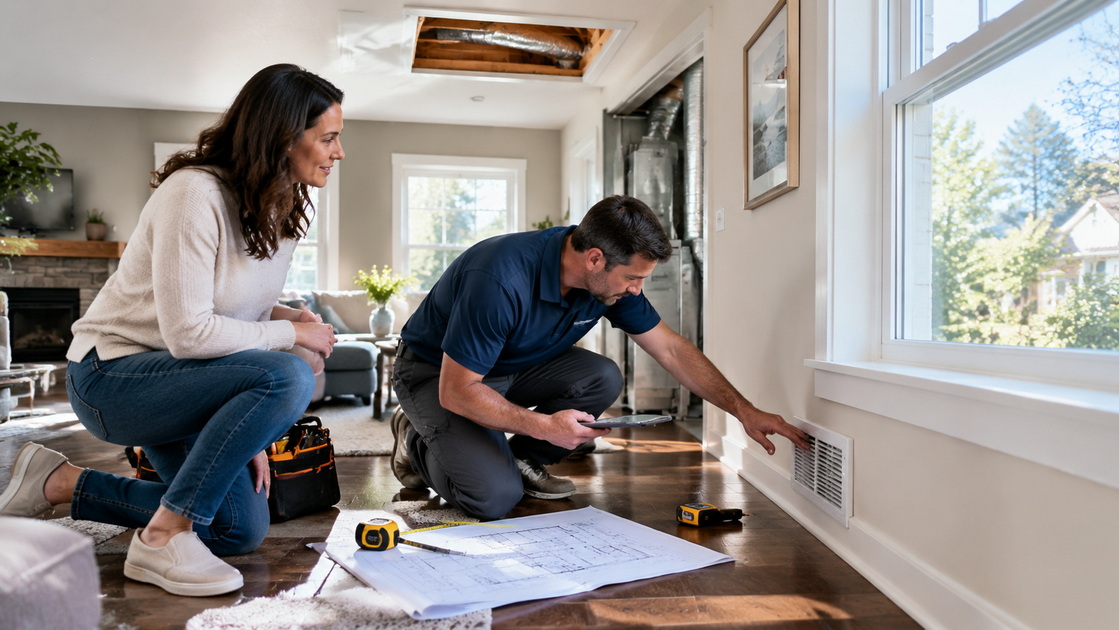
Square footage alone is not enough to size a whole-home system. Windows, insulation, air leakage, layout, and local conditions all affect the load. A contractor should be able to explain the heating and cooling calculations and how they informed equipment selection.
Consider two houses with the same floor area. One has large windows exposed to afternoon sun; the other has better shade and insulation. They may need different solutions. Choosing the larger unit "to be safe" is not a substitute for doing the calculations.
For an existing home, mention any rooms that have always been uncomfortable. Those details can help reveal whether the issue involves equipment capacity, ductwork, the building itself, or a combination.
Compare the full scope, not only the outdoor-unit price. A written proposal should identify:
- The indoor and outdoor equipment and their matched ratings.
- Any duct, electrical, drainage, or thermostat work.
- The planned equipment and control locations.
- How airflow and operation will be checked after installation.
- Permit responsibilities, warranty details, and exclusions.
If two quotes differ sharply, ask each company to explain its assumptions. One may include work the other has left out. A clear proposal makes that difference visible before installation begins.
Rules for refrigerants used in new air-conditioning equipment are changing. Ask the installer to identify the proposed system's refrigerant and explain any installation or service requirements that apply to that equipment.
A new-system purchase is different from repairing an existing system. An older refrigerant does not, by itself, mean you must replace a working air conditioner. If your current system needs repair, discuss the fault, repair options, and replacement proposal as separate decisions.
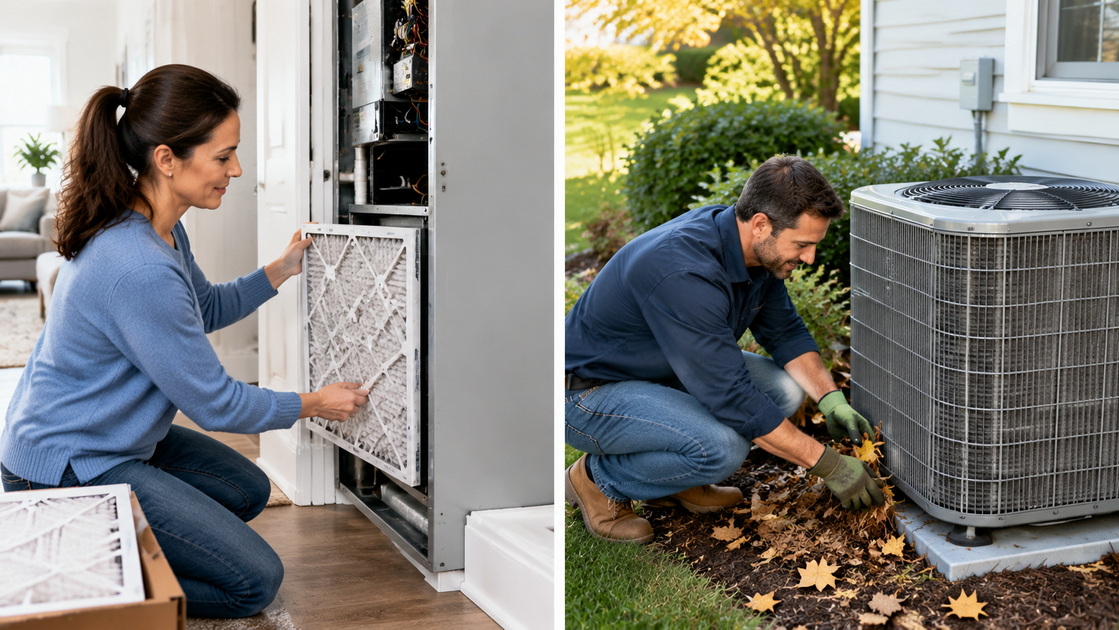
A well-chosen system still needs routine care. Follow the manufacturer's filter instructions, and clean or replace filters when needed. Keep outdoor equipment clear of debris without blocking the airflow it requires.
Pay attention to changes rather than waiting for a complete breakdown. Reduced airflow, unexpected moisture, unusual noise, or a room that stops cooling as it normally does are reasons to have the system checked. Coil cleaning, electrical faults, and refrigerant work belong with qualified service professionals.
Keep the installation documents, equipment model numbers, and warranty information together. They make future service easier and help you verify that the work performed matches the original proposal.
There is no single best air conditioner for every home. Central AC may suit a ducted house; a mini-split may solve an addition's comfort problem; a heat pump may be the better conversation when heating equipment is also under review. The right answer starts with the rooms you need to serve and the condition of the home, not a ranked list of products.
To make a confident choice, request a home-specific assessment and a written explanation of the recommended system. Tell Mega Services Heating & Cooling which rooms are uncomfortable, what equipment you have now, and whether you plan to change your heating setup. A clear recommendation should explain sizing, installation work, and why the proposed option fits your home.
Central AC or a ducted heat pump may suit a home with usable ducts. If the home lacks ducts, discuss whether a ductless design could serve the required rooms. The best choice depends on the house and the complete installation plan.
Neither is automatically better. A mini-split can provide targeted cooling without extending ducts. Central AC can distribute cooling throughout a home with a suitable duct system. Compare coverage, comfort problems, installation work, and full project cost.
Yes. An air-source heat pump can provide cooling and heating. Whether it is the right replacement depends on the model, your home's heating requirements, and the plan for backup heat if needed.
There is no dependable whole-home size based on floor area alone. Ask for a load calculation that considers the home's windows, insulation, layout, and other relevant conditions before equipment is selected.
No. SEER2 is useful for comparing rated cooling efficiency, but household energy costs also depend on installation quality, airflow, weather, settings, and usage. Compare complete installed proposals.
No. "Smart" usually describes connected controls or scheduling features. Different types of AC can offer them. Choose the system for its ability to serve your home first, then compare controls.
Not solely for that reason. If the system is working, its refrigerant alone does not require replacement. If it needs repair, ask a qualified professional to explain the available repair and replacement options.
- Logan Services,.
- U.S. Department of Energy,.
- U.S. Department of Energy,.
- ENERGY STAR,.
- Air-Conditioning, Heating, and Refrigeration Institute,.
- ENERGY STAR,.
- ENERGY STAR,.
- U.S. Environmental Protection Agency,.
- U.S. Department of Energy,.


