
Views: 0 Author: Site Editor Publish Time: 2025-09-23 Origin: Site


Window air conditioning units are a popular choice for cooling homes, especially in regions with hot climates. However, one common issue that homeowners face is water leakage from these units. Understanding the reasons behind this problem is crucial for maintaining your AC unit and preventing water damage to your home. In this article, we will explore the various causes of water leakage in window AC units, how to diagnose the issue, and effective solutions to fix it.
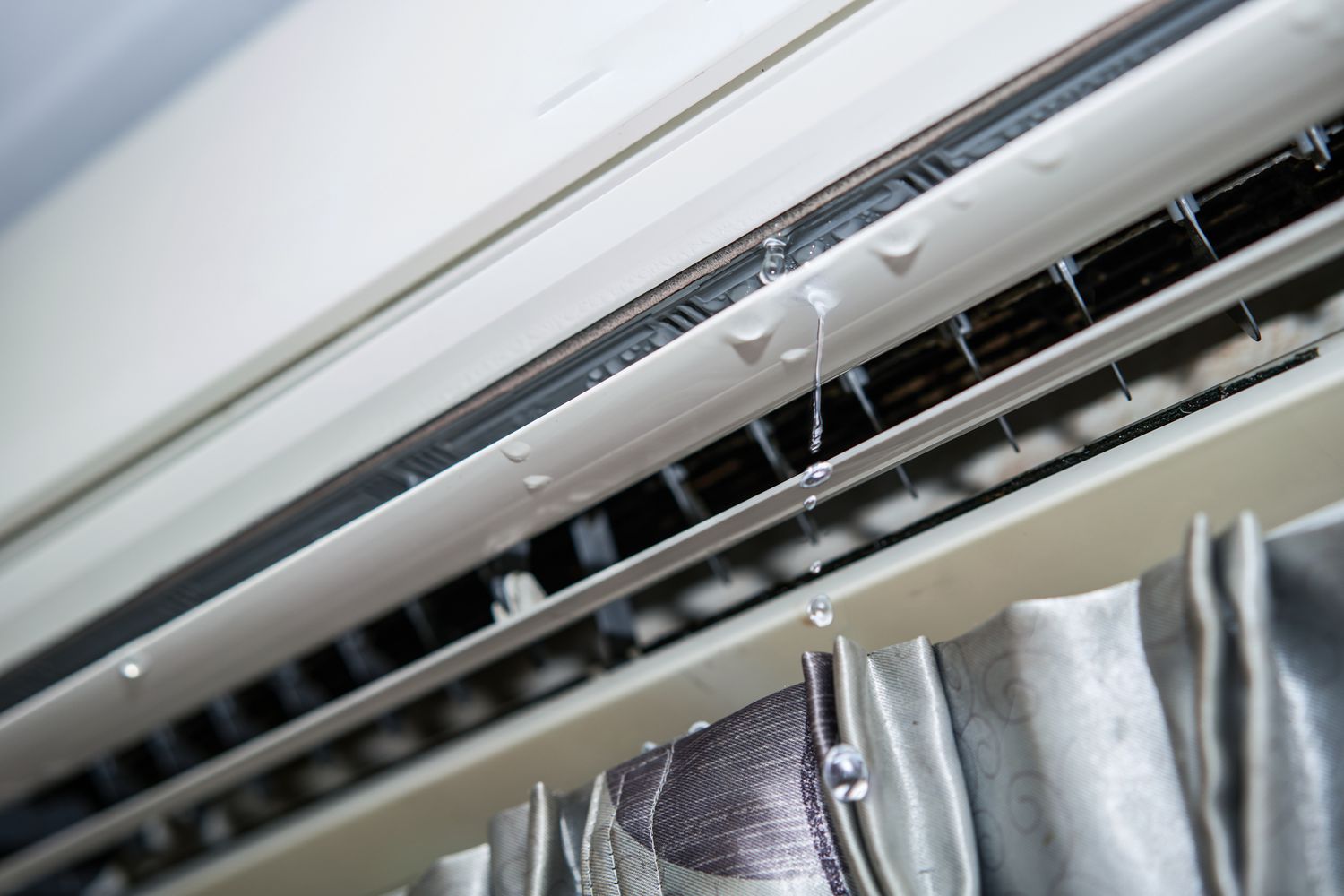
One of the primary reasons for water leakage is improper installation. If the window AC unit is not tilted slightly backward, water may not drain properly and can spill into your home instead of flowing outside.
A clogged condensate drain line is another frequent culprit. Over time, dirt, dust, and algae can accumulate in the drain line, causing a blockage. This blockage prevents water from draining properly, leading to leaks.
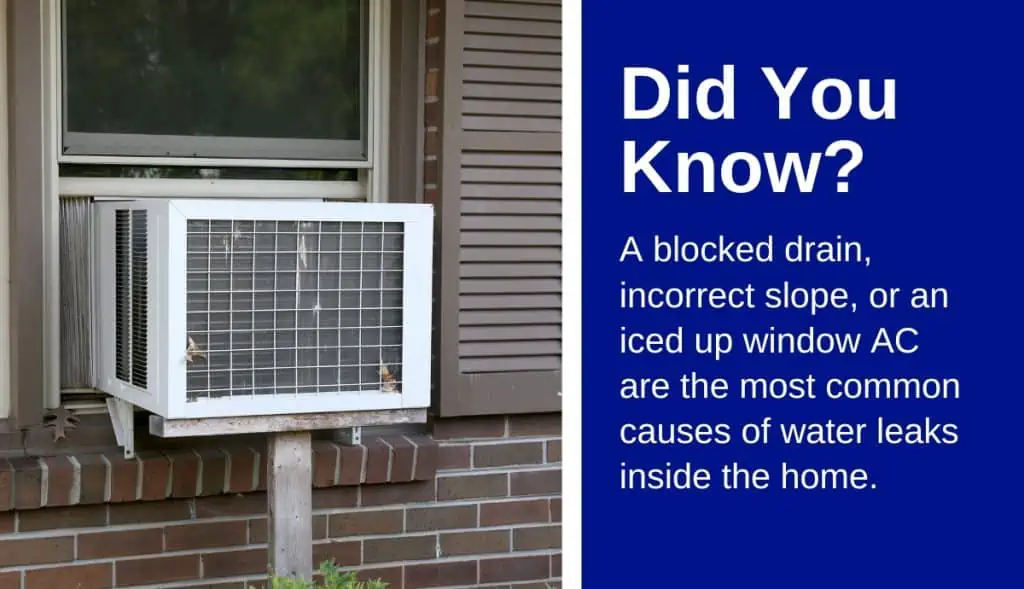
Dirty air filters can restrict airflow, causing the evaporator coils to freeze. When the ice melts, it can overwhelm the drain pan and lead to water leakage. Regularly cleaning or replacing air filters can help prevent this issue.
Low refrigerant levels or restricted airflow can cause the evaporator coils to freeze. When these coils thaw, the excess water can overflow the drain pan, resulting in leaks.
The drain pan collects condensation from the evaporator coils. If the pan is cracked or damaged, it can lead to water leaking inside the unit. Inspecting and replacing a damaged drain pan is essential for preventing leaks.

Low refrigerant levels can cause the evaporator coils to freeze, leading to water leakage when the ice melts. If you suspect low refrigerant levels, it’s best to contact a professional HVAC technician.
Worn or damaged seals around the AC unit can allow warm air to enter, leading to condensation and water leakage. Inspecting and replacing these seals can help prevent leaks.
To effectively diagnose the cause of water leakage in your window AC unit, follow these steps:
Inspect the Installation: Ensure that the unit is tilted slightly backward for proper drainage.
Check the Drain Line: Look for any visible blockages in the drain line and clear them if necessary.
Examine the Air Filters: Remove and inspect the air filters for dirt and debris. Clean or replace them as needed.
Look for Ice on Coils: If you notice ice on the evaporator coils, it may indicate low refrigerant levels or airflow issues.
Inspect the Drain Pan: Check for any cracks or damage in the drain pan that could cause leaks.
If the unit is not properly tilted, adjust it to ensure that it slopes slightly backward. This will help facilitate proper drainage.
Use a wet/dry vacuum or a plumber’s snake to clear any blockages in the drain line. Regular maintenance can prevent future clogs.
Regularly clean or replace air filters to ensure proper airflow and prevent ice buildup on the coils.
If the drain pan is damaged, it should be repaired or replaced to prevent leaks.
If you suspect low refrigerant levels, contact a professional HVAC technician to inspect and recharge the system if necessary.
To prevent water leakage in your window AC unit, consider the following preventive measures:
Regular Maintenance: Schedule regular maintenance checks for your AC unit to ensure it is functioning properly.
Keep the Area Clean: Ensure that the area around the AC unit is clean and free from debris that could block airflow or drainage.
Monitor Humidity Levels: High humidity levels can increase the likelihood of condensation. Use a dehumidifier if necessary.
Hot Tags: Why Would A Window AC Unit Leak Water, Window Or Wall Ac Unit, Ac Window Unit Blowing Warm Air, Window Ac Unit Making Loud Noise, Window Ac Unit Leaking Water Inside When It Rains, Goldstar Window Ac Unit, Window Ac Unit Leaking Water Outside, Parts Of Window Ac Unit, Window Ac Unit Keeps Shutting Off, Ac Window Unit Dripping Water, Affordable, Trusted, Reliable, Professiknal, Low cost, montgomery county, Howard county, Frederick county


