
Views: 222 Author: Mega Services Publish Time: 2026-04-25 Origin: Site


Content Menu
● Are Freon Leaks Harmful? A Technician's Guide for Homeowners
● What Is Freon and Why Do AC Systems Use It?
● Are Freon Leaks Harmful to Your Health?
>> Mild to moderate exposure symptoms
>> Severe refrigerant poisoning (rare but serious)
● How Harmful Are Freon Leaks to the Environment?
● How Freon Leaks Damage Your AC System and Energy Efficiency
>> What happens inside your system
>> Common homeowner warning signs
● New Industry Developments: The 2025 Refrigerant Shift Homeowners Should Know
● How Professionals Detect Freon Leaks (What Really Happens on a Service Call)
● Step‑by‑Step: What To Do If You Suspect a Freon Leak
● Repair or Replace? Making the Smart Financial Decision
>> Factors that favor replacement
● Preventing Freon Leaks with Proactive Maintenance
● Simple Homeowner Checklist: Is It Time to Call for Help?
● Call Mega Services Heating & Cooling for Safe, Expert Freon Leak Help
● Frequently Asked Questions About Freon Leaks
>> 1. Can a small Freon leak fix itself?
>> 2. Is it safe to stay in my house if I have a Freon leak?
>> 3. How much does it cost to repair a Freon leak?
>> 4. Why is R‑22 so expensive and hard to find now?
>> 5. How often should I schedule AC maintenance to prevent leaks?
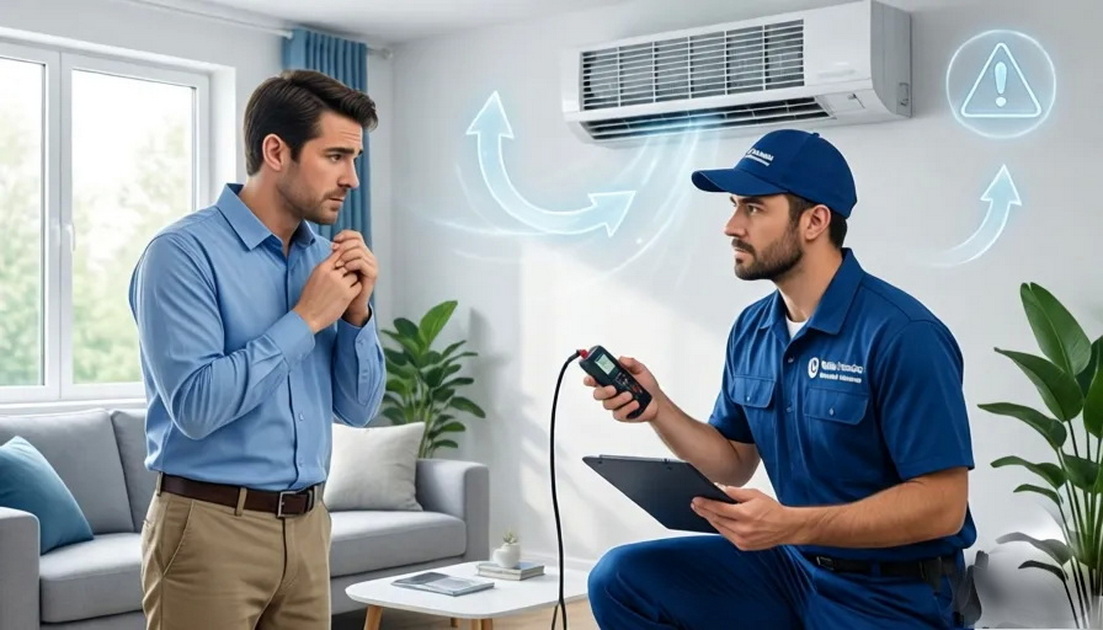
When homeowners ask, "Are Freon leaks harmful?", they're really asking two different questions: "Is my family safe?" and "Is my AC in trouble?". As HVAC professionals at Mega Services Heating & Cooling, we can say that a Freon (refrigerant) leak is almost always a system problem and only occasionally a medical emergency—but it should never be ignored. [webmd]
In this guide, you'll learn what Freon actually is, how leaks affect your health, your home, your energy bills, and the environment, plus step‑by‑step guidance on what to do if you suspect a leak and when to repair versus replace your system. [onehourheatandair]
"Freon" is a brand name that became the everyday word for many air‑conditioning refrigerants, including older R‑22 and newer blends. In an HVAC system, refrigerant circulates in a closed loop, absorbing heat inside your home and releasing it outdoors so you can stay cool and comfortable. [leesair]
From an industry perspective, modern refrigerants are designed to be stable, efficient, and relatively low‑toxicity compared with the toxic gases used in early refrigerators. That said, all refrigerants must be handled with care because they can displace oxygen in tightly enclosed spaces, cause frostbite on skin contact, and create toxic or flammable conditions under the wrong circumstances. [cwa-union]
Key points homeowners should know:
- Normal systems do not "use up" Freon—if you're low, there's almost always a leak. [homedepot]
- Refrigerant type depends on system age (older units often use R‑22, newer ones R‑410A, and starting in 2025, even lower‑GWP refrigerants in new systems). [airsystemstexas]
- Only EPA‑certified technicians are legally allowed to handle and recharge refrigerants in the U.S. [epa]
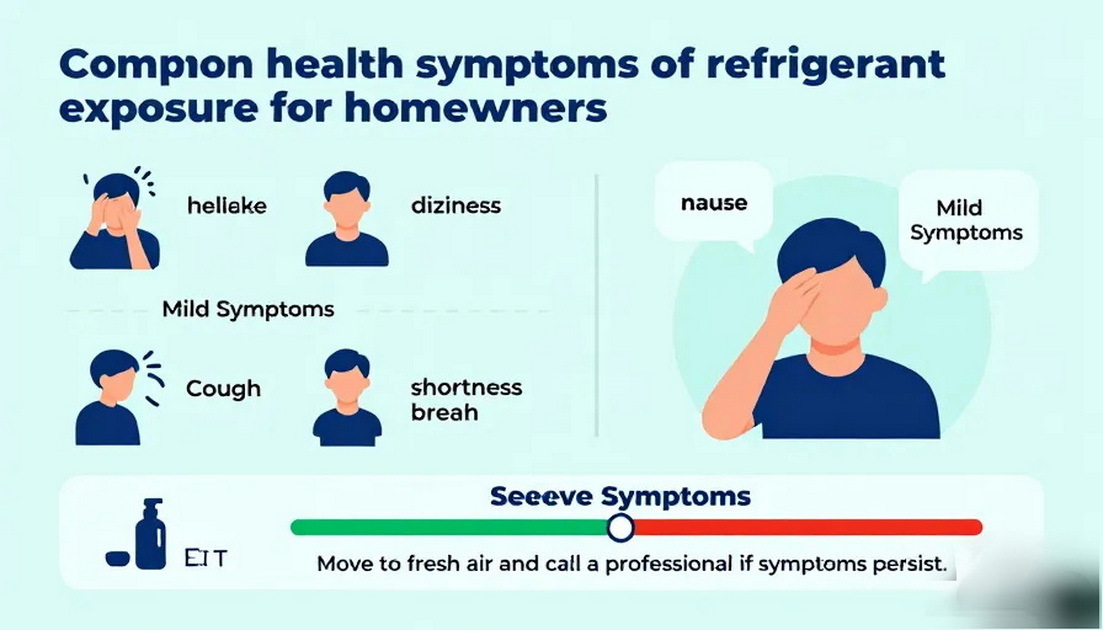
For most homeowners, a minor indoor AC leak in a well‑ventilated space is unlikely to cause severe poisoning, but symptoms can still occur, especially with prolonged exposure or in small enclosed rooms. [woodscomfortsystems]
Based on medical references and real‑world HVAC experience, these are the more typical symptoms people might notice when exposed to refrigerant vapors: [myqualitycomfort]
- Headaches, lightheadedness, or dizziness
- Nausea or vomiting
- Coughing, wheezing, or shortness of breath
- Eye, nose, throat, or ear irritation
- Skin redness or frostbite‑like injury with liquid contact
Most homeowners we see with mild exposure report headaches, a "chemical" smell near the air handler, and a general feeling that "the air doesn't feel right" in the room where the unit is located. [coolcareac]
Severe poisoning is far less common and typically happens when someone deliberately inhales refrigerant ("huffing") or a worker is exposed to high levels in confined industrial or mechanical spaces. Reported severe symptoms include: [webmd]
- Fluid buildup or bleeding in the lungs
- Burning pain in the esophagus or chest
- Irregular heartbeat, loss of consciousness, seizures
- Extreme breathing difficulty or respiratory failure
If you ever suspect a situation like this, move to fresh air and call 911 or the Poison Control Hotline immediately. [onehourheatandair]
From an environmental standpoint, Freon leaks are more serious than many homeowners realize. [leesair]
- Older R‑22 (a chlorofluorocarbon‑type refrigerant) contributes to ozone depletion, which increases harmful UV radiation reaching the earth. [cwa-union]
- Many common refrigerants, including R‑410A, have a high global warming potential (GWP) and act as greenhouse gases when released. [airsystemstexas]
- The EPA has already phased out R‑22 production and is moving the industry toward lower‑GWP refrigerants with new regulations taking effect for systems manufactured after January 1, 2025. [reddit]
As industry experts, we explain it to customers this way: even if a small residential leak doesn't send anyone to the hospital, every pound of refrigerant that escapes into the atmosphere matters, both legally and environmentally. [reddit]
From a system‑health angle, a Freon leak is always harmful if left unaddressed. [homedepot]
When refrigerant leaks out:
- Your AC has less "heat‑moving" capacity, so cooling performance drops. [coolcareac]
- The system runs longer and harder to reach the same temperature, driving up energy bills. [woodscomfortsystems]
- The evaporator coil can get so cold that ice forms on it, which can eventually starve the compressor of refrigerant and cause a costly failure. [onehourheatandair]
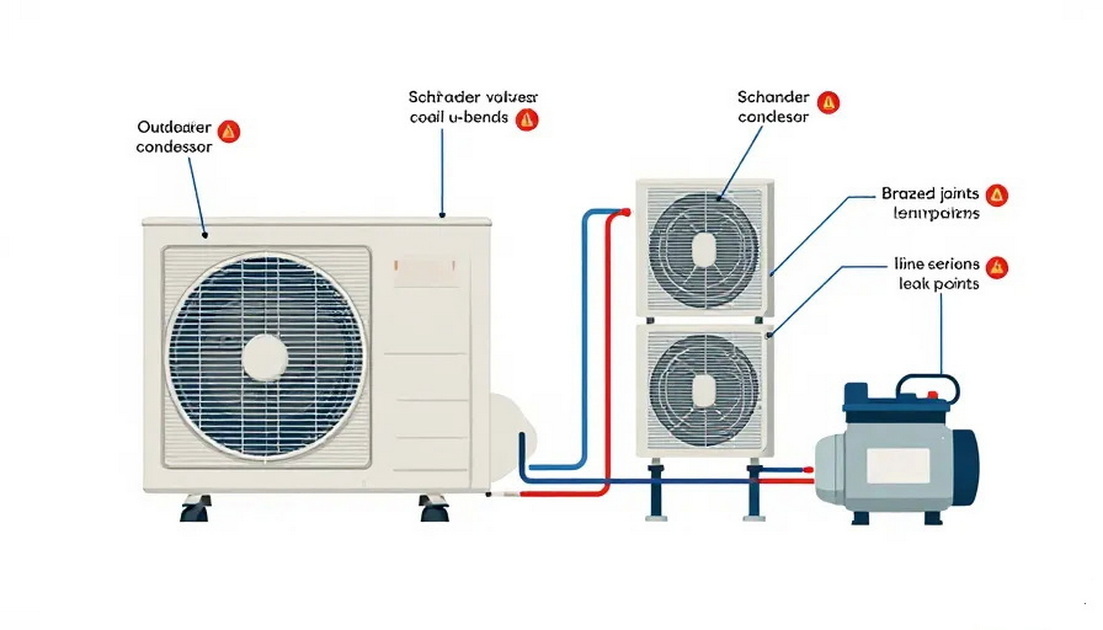
The original article identified five classic signs of a refrigerant leak, all of which we frequently see in the field: [homedepot]
1. Your AC isn't cooling like it used to – rooms feel warm or sticky even with the thermostat set low. [woodscomfortsystems]
2. Your energy bills suddenly spike – especially if nothing else in your home has changed. [leesair]
3. You hear hissing or gurgling near the indoor or outdoor unit – often from refrigerant escaping through small holes or cracks. [onehourheatandair]
4. Ice on the evaporator coil or refrigerant lines – visible frost, ice buildup, or water puddles when it melts. [homedepot]
5. Unusual chemical or musty smells from supply vents or around the air handler. [myqualitycomfort]
If you see two or more of these at the same time, it's time to shut the system off and schedule a professional inspection. [coolcareac]
The refrigerant conversation is changing quickly, and many original resources on Freon leaks are now out of date. As of 2025, the EPA is pushing the HVAC industry toward refrigerants with a GWP below 700 in newly manufactured systems. That means R‑410A, which was once the "greener" choice, will no longer be used in new AC units. [epa]
Manufacturers are transitioning to next‑generation A2L refrigerants such as R‑454B and R‑32, which:
- Have significantly lower GWP than R‑410A. [airsystemstexas]
- May have different flammability characteristics, requiring updated safety and installation practices. [epa]
- Will influence long‑term service options and costs for homeowners with existing R‑410A or R‑22 systems. [reddit]
Why this matters for you: if your system uses R‑22 or R‑410A and has a major leak, it may be more cost‑effective to replace the system with a high‑efficiency, low‑GWP unit rather than repeatedly paying to repair and refill an older design. [leesair]
Homeowners often imagine we have a "magic tool" that instantly reveals every leak. In reality, technicians use a combination of methods, each better suited for different leak sizes and locations. [woodscomfortsystems]
A typical diagnostic process might include: [homedepot]
1. Visual and ice inspection – looking for oil stains on lines, corrosion, or ice on the evaporator and suction line.
2. Soapy water (bubble) test – spraying joints and suspected areas with soapy water and watching for bubbles that indicate escaping refrigerant. [homedepot]
3. Electronic leak detectors ("sniffers") – moving a sensitive probe along the refrigerant circuit to sense small concentrations of gas. [woodscomfortsystems]
4. Nitrogen pressure test – pressurizing the system with inert gas and monitoring pressure drop while listening for hissing. [woodscomfortsystems]
5. UV dye test (when appropriate) – injecting fluorescent dye and later using a UV light to pinpoint leaks. [homedepot]
Tiny "champagne leaks" (pinhole leaks that show as small bubbles in the coils) are easier and cheaper to address early. When left alone, they often grow into larger leaks that damage the compressor or require extensive coil or line set replacement. [onehourheatandair]
From both a safety and equipment‑protection standpoint, here's what we recommend homeowners do before a technician arrives. [webmd]
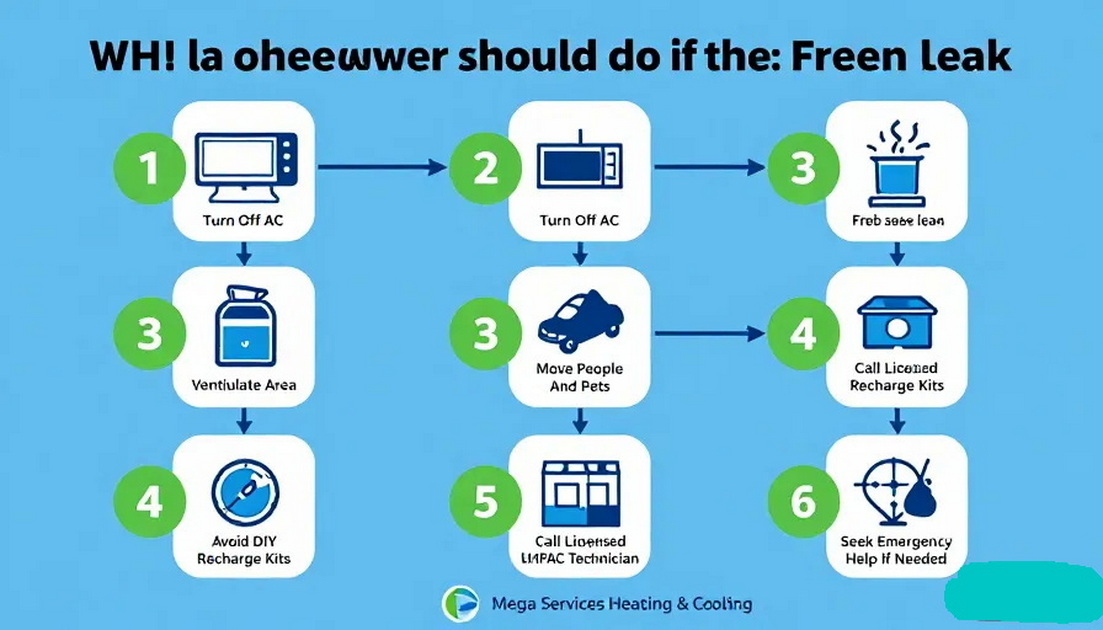
1. Turn off your AC system
- Switch the thermostat to "Off" to stop further refrigerant circulation and prevent compressor damage. [coolcareac]
2. Ventilate the area
- Open doors and windows in the room where the indoor unit is located, especially if you notice strong odors or feel unwell. [myqualitycomfort]
3. Move people and pets to fresh air
- If anyone has headaches, dizziness, breathing difficulty, or nausea, step outside and monitor symptoms. [webmd]
4. Avoid DIY repairs or recharging kits
- Over‑the‑counter recharge kits can over‑pressurize the system, mask leaks, and violate EPA regulations. [epa]
5. Call a licensed HVAC professional
- Request a leak diagnosis, not just a refrigerant "top‑off." Clearly describe symptoms and any noises, smells, or ice you've observed. [leesair]
6. Seek emergency medical help when necessary
- For severe breathing problems, chest pain, or loss of consciousness, contact emergency services or Poison Control right away. [webmd]
One of the toughest conversations we have with homeowners is whether to invest in another repair or put that money toward a new system. Refrigerant leaks are a major decision point. [airsystemstexas]
- The leak is small and accessible (e.g., a single brazed joint or Schrader valve). [woodscomfortsystems]
- The system is relatively new and under warranty.
- The refrigerant type (often R‑410A) is still readily available and not excessively expensive in your area. [reddit]
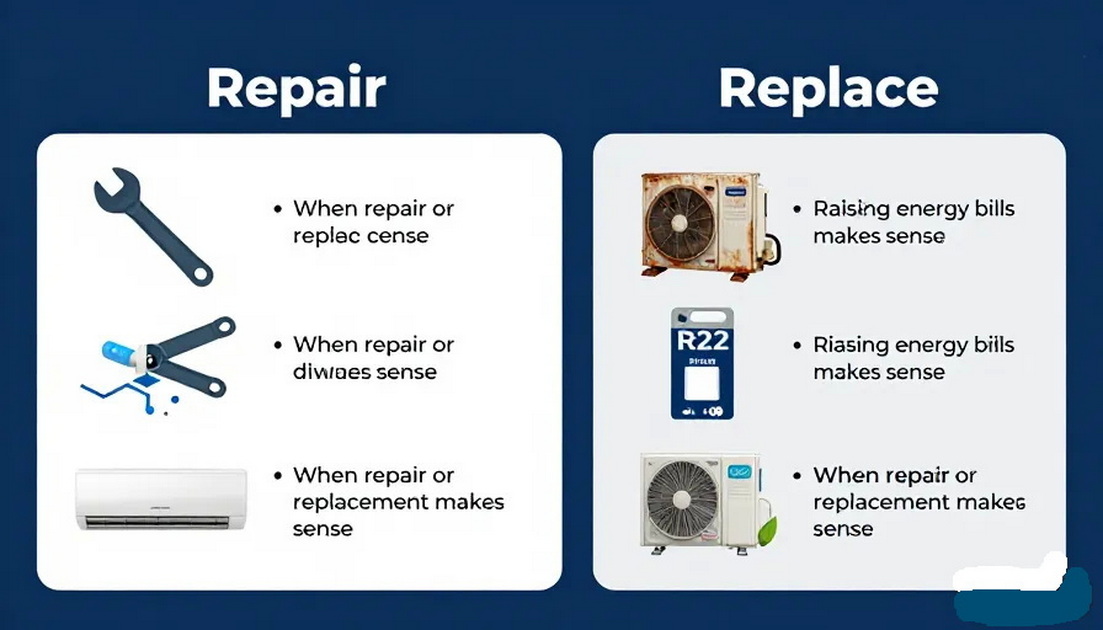
- Your system is older, uses R‑22, or has had multiple leaks over the last few seasons. [airsystemstexas]
- The leak is in the evaporator or condenser coil, requiring costly coil replacement. [homedepot]
- The compressor shows signs of damage from running low on refrigerant. [coolcareac]
- You want to take advantage of higher efficiency and future‑proof refrigerants in newer systems. [reddit]
Typical professional repair options: patching or replacing a coil section, replacing line sets, repairing or replacing a leaking Schrader valve, or re‑brazing joints, followed by proper evacuation and recharge. A trusted contractor should present these options with clear pricing and explain the long‑term pros and cons. [woodscomfortsystems]
The most cost‑effective strategy is preventing leaks before they start or catching them when they're still small. [onehourheatandair]
A professional HVAC maintenance plan typically includes: [coolcareac]
- Checking refrigerant pressures and temperature differences for early signs of low charge
- Inspecting coils, line sets, and connections for corrosion or rubbing points
- Cleaning coils and filters to reduce stress and abnormal operating conditions
- Verifying electrical components, airflow, and condensate drainage
Homeowners who schedule bi‑annual tune‑ups (cooling in spring, heating in fall) dramatically reduce their risk of unexpected breakdowns, refrigerant leaks, and huge summer energy bills. [leesair]
Use this quick checklist to decide whether to call Mega Services Heating & Cooling for a professional inspection.
| Situation at home | What it may mean | Recommended action |
|---|---|---|
| AC runs constantly but home stays warm or humid | Possible low refrigerant or airflow issue | Schedule professional diagnostic visit |
| Unexplained energy bill spike this month | System may be overworking due to a leak | Have refrigerant charge and system performance checked |
| Ice on indoor coil or refrigerant lines | Likely low refrigerant or airflow problem | Turn system off and call for service |
| Hissing or gurgling near AC equipment | Possible refrigerant escaping under pressure | Request leak detection test |
| Headaches or dizziness near AC area | Potential refrigerant exposure or other IAQ issue | Leave area, ventilate, call a professional |
If you suspect a Freon leak, don't ignore it and don't just "top off" the system year after year. A leak is a symptom of a deeper problem that can quietly damage your equipment, waste energy, and in some cases affect indoor air quality. [myqualitycomfort]
Mega Services Heating & Cooling provides:
- Fast, licensed leak diagnosis and repair
- Honest guidance on whether repair or replacement makes more sense
- Preventive maintenance plans to keep your system safe, efficient, and reliable
Contact our team today to schedule an inspection and let an experienced technician make your home safer, more comfortable, and more energy efficient.
No. Once there is a leak, refrigerant will continue to escape until a technician finds and repairs the source. Adding more refrigerant without fixing the leak is a temporary bandage and can violate environmental regulations. [cwa-union]
Most small leaks in well‑ventilated homes do not cause severe poisoning, but lingering symptoms such as headaches, dizziness, or breathing difficulty are a sign you should ventilate the area and call a professional. If symptoms are serious, seek medical help immediately. [webmd]
Costs vary widely based on leak location and system type, from relatively minor valve or joint repairs to expensive coil or line set replacements. Your technician should provide a written estimate and discuss long‑term cost‑benefit compared with system replacement. [reddit]
The EPA has phased out the production and import of R‑22 because of its ozone‑depleting effects, which has driven up prices for remaining supplies. Many homeowners choose to replace R‑22 systems with modern, high‑efficiency units using newer refrigerants. [cwa-union]
Most manufacturers and HVAC professionals recommend professional maintenance twice per year—once before cooling season and once before heating season. Regular tune‑ups allow technicians to spot early signs of corrosion, stress, or low refrigerant before they turn into major leaks. [onehourheatandair]
1. One Hour Heating & Air Conditioning – "Are Freon Leaks Harmful?" (2019).
<https://www.onehourheatandair.com/charlotte/about-us/blog/2019/august/are-freon-leaks-harmful/> [onehourheatandair]
2. US Environmental Protection Agency – "Refrigerant Safety" and refrigerant phase‑out information.
<https://www.epa.gov/snap/refrigerant-safety> [epa]
3. WebMD – "Refrigerant Poisoning: What Are Symptoms And How Is It Treated?" (2025).
<https://www.webmd.com/a-to-z-guides/what-is-refrigerant-poisoning> [webmd]
4. Lee's Air, Plumbing and Heating – "Is a Freon Leak Dangerous?" (2023).
<https://leesair.com/is-a-freon-leak-dangerous/> [leesair]
5. Cool Care Heating & Air – "Is a Refrigerant Leak Dangerous? What You Should Know" (2024).
<https://www.coolcareac.com/blog/air-conditioning-service/is-a-refrigerant-leak-dangerous-what-you-should-know/> [coolcareac]
6. Home Depot – "How to Find & Fix AC Freon Leaks."
<https://www.homedepot.com/c/ah/how-to-fix-ac-freon-leaks/9ba683603be9fa5395fab901fe1b613a> [homedepot]
7. Air Systems Texas – "Everything You Need to Know About the 2025 HVAC Refrigerant Change" (2024).
<https://airsystemstexas.com/everything-you-need-to-know-about-the-2025-hvac-refrigerant-change/> [airsystemstexas]
8. Quality Comfort – "Is an AC Freon Leak Dangerous? Homeowner's Guide" (2023).
<https://myqualitycomfort.com/general/is-freon-leak-dangerous/> [myqualitycomfort]
9. Woods Comfort Systems – "AC Refrigerant Leak: Signs, Dangers & What to Do" (2025).
<https://woodscomfortsystems.com/signs-of-ac-refrigerant-leak-and-dangers/> [woodscomfortsystems]
10. Communications Workers of America – "Freon and the Workplace."
<https://cwa-union.org/national-issues/health-and-safety/health-and-safety-fact-sheets/freon-and-workplace> [cwa-union]


