
Views: 222 Author: Mega Services Publish Time: 2026-04-24 Origin: Site


Content Menu
● What Is the Average Life of a Home HVAC System?
● Average Lifespan by System Type
● Key Factors That Determine HVAC Lifespan
>> 3. Usage Patterns and Climate
>> 4. Environmental Conditions
>> 5. Equipment Quality and Technology
● How Professional Maintenance Really Works (Technician's Eye View)
● 7 Practical Ways Homeowners Can Extend HVAC Life
>> 1. Change Filters on a Schedule
>> 2. Keep Vents, Registers, and Grilles Clear
>> 4. Seal Drafts and Duct Leaks
>> 5. Use Smart Thermostat Settings
>> 6. Schedule Professional Maintenance Twice a Year
>> 7. Don't Ignore Early Warning Signs
● Signs It's Time to Repair vs. Replace
>> Common Signs Your System Needs Attention
● Real‑World Homeowner Perspectives and Expert Takeaways
● How a Local Expert Partner Helps You Maximize System Life
● Clear Next Steps: What You Can Do Today
● FAQs About HVAC Lifespan and Maintenance
>> 1. How long does a typical home HVAC system last?
>> 2. Can my HVAC system really last 30 years?
>> 3. How often should I schedule professional HVAC maintenance?
>> 4. What are the most cost‑effective ways to extend system life?
>> 5. When is replacing my HVAC system better than repairing it?
As an HVAC technician who has crawled through more attics and basements than I can count, I can tell you this: the average life of a home HVAC system is not just a number—it's a reflection of how the system was installed, how it's used, and how it's maintained. From the perspective of both industry experts and real homeowners, a well-installed, regularly serviced system can comfortably deliver 15–20 years of reliable comfort, and sometimes more. In this guide, written for homeowners by professionals, we'll walk through what really determines HVAC lifespan, how to extend it, and when it's time to stop repairing and start planning a replacement. [carrier]
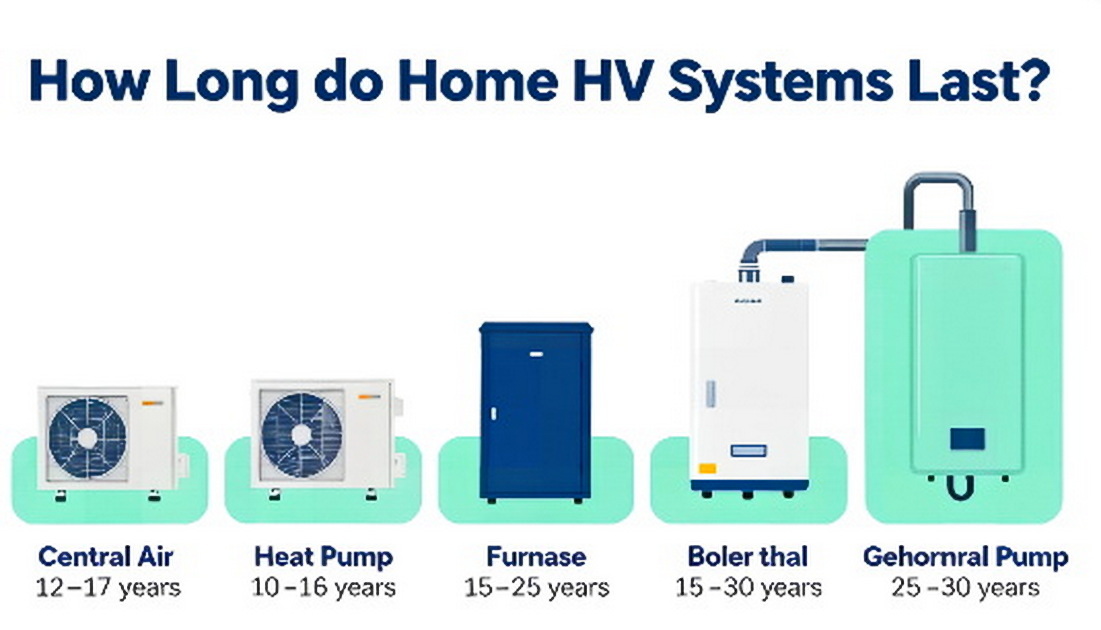
Most residential HVAC systems, including central air conditioners and heat pumps, last about 15–20 years under typical conditions. Furnaces and boilers tend to last a bit longer, often 15–25 years, while some geothermal systems can reach 25–30 years or more. [bryant]
From an industry standpoint, these ranges assume:
- Professional installation with proper sizing and airflow design. [bryant]
- Regular preventive maintenance at least once or twice per year. [constellation]
- Reasonable usage and thermostat settings, without running the system at extreme temperatures all day. [mooreselectric]
As a homeowner, you'll usually see the first clear signs of aging after 10–15 years, when repairs become more frequent and efficiency starts to drop compared to new high‑efficiency models. [cnet]
Different HVAC components age at different speeds. Understanding each one helps you plan upgrades instead of facing surprise failures during extreme weather. [princetonair]
| System Type | Typical Lifespan (Years) | Expert Notes |
|---|---|---|
| Central air conditioner | 12–17 | Good maintenance can keep quality systems performing well into year 15–20. (bryant) |
| Heat pump (air-source) | 10–16 | Works year‑round, so wear is higher than AC‑only units. (bryant) |
| Gas/electric/oil furnace | 15–25 | Combustion components need regular inspection for safety and efficiency. (bryant) |
| Boiler | 15–30 | Durable but sensitive to water quality and system design. (bryant) |
| Geothermal heat pump | 25–30 | Ground loops can often last 50+ years if properly installed. (constellation) |
In the field, we often see systems fail early not because they were "bad brands," but because they were poorly installed or never maintained. [vikingheatingair]
From a technician's point of view, five major factors consistently predict how long a system will last. [carrier]
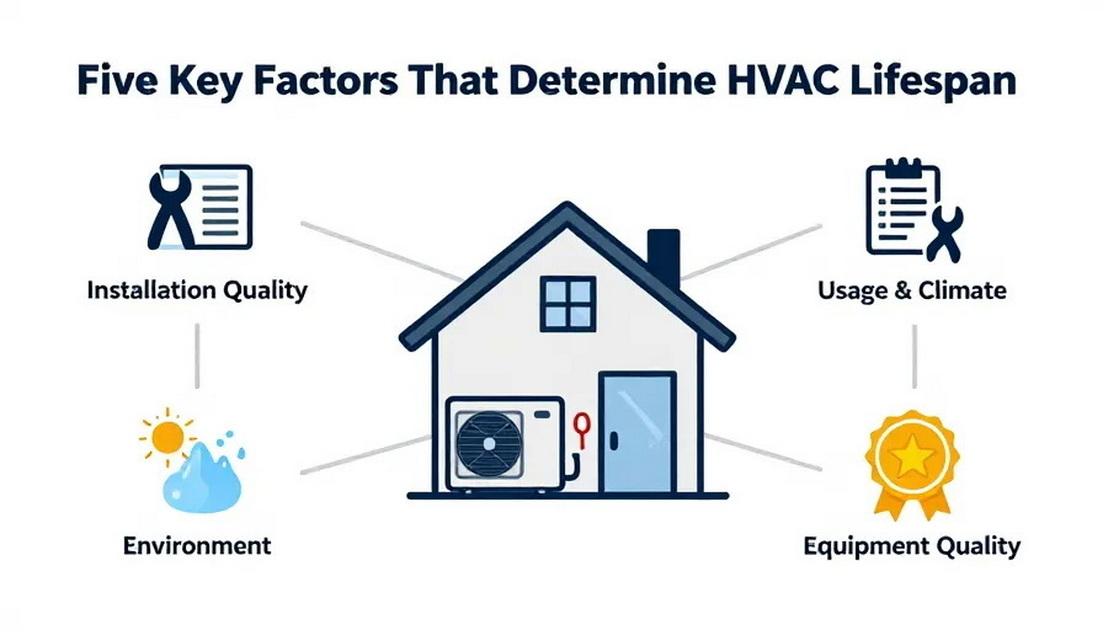
A system that is sized correctly, has proper refrigerant charge, and is installed with correct airflow and duct design will almost always outlive a poorly installed system. [constellation]
Poor installation leads to:
- Short cycling and excessive wear.
- Frozen coils and compressor damage.
- Hot and cold spots that cause homeowners to over‑adjust the thermostat.
Regular maintenance is the single most powerful way to add years to your system's life. Industry data and utility guidance show that simple tasks like changing filters, cleaning coils, and verifying refrigerant levels dramatically reduce breakdowns and energy waste. [lookforther]
Systems in very hot, humid, or extremely cold climates naturally work harder and may wear out sooner. [cnet]
- Homes that run the system 24/7 at extreme setpoints see more wear.
- Moderate thermostat settings and setback schedules reduce strain. [mooreselectric]
Coastal areas with salty air, regions with heavy dust or pollution, and homes with multiple pets all accelerate corrosion and dirt buildup. [lookforther]
Higher‑end equipment with variable‑speed blowers, ECM motors, and advanced controls can often deliver longer, more efficient service—if maintained correctly. [carrier]
When we come out for a tune‑up or "revitalization" service, we're not just spraying coils and leaving. A thorough visit from a trained technician typically includes: [newbernac]
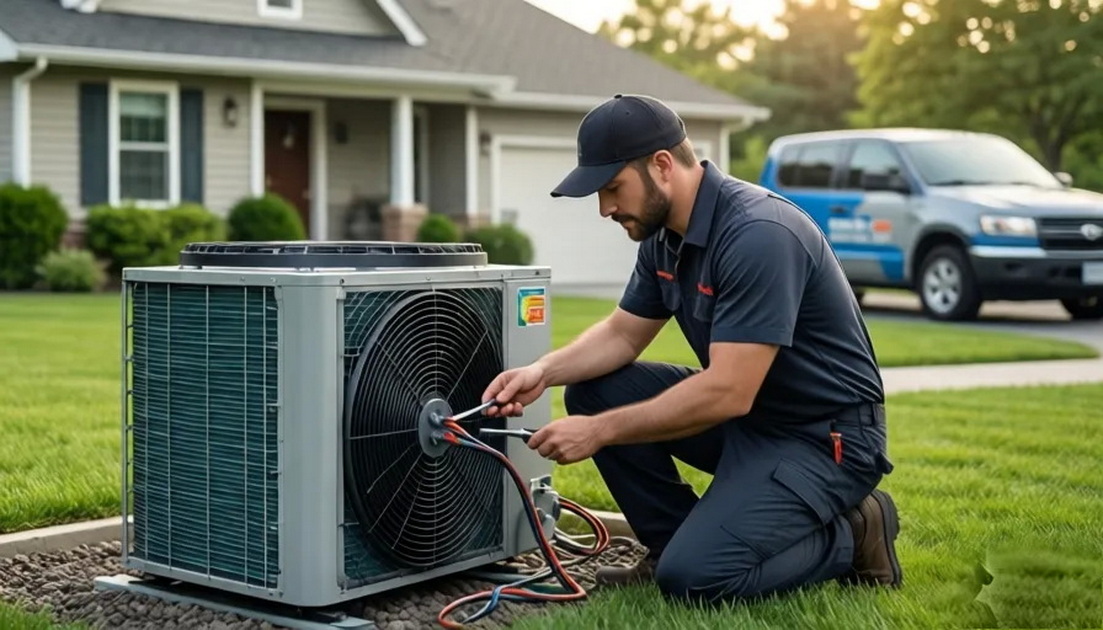
1. Cleaning indoor and outdoor coils to restore heat transfer and reduce compressor strain.
2. Checking and adjusting refrigerant levels to manufacturer specs.
3. Inspecting and lubricating moving parts such as blower motors and fan assemblies.
4. Replacing or cleaning air filters sized correctly for the system.
5. Testing thermostat operation and calibration.
6. Inspecting ductwork where accessible for leaks, blockages, or damaged insulation.
7. Checking electrical connections and safety controls to prevent failures or hazards.
Homeowners often tell us that after a proper tune‑up, the same system feels stronger, quieter, and more even throughout the home, which also reduces energy costs and future breakdowns. [mainlineheating]
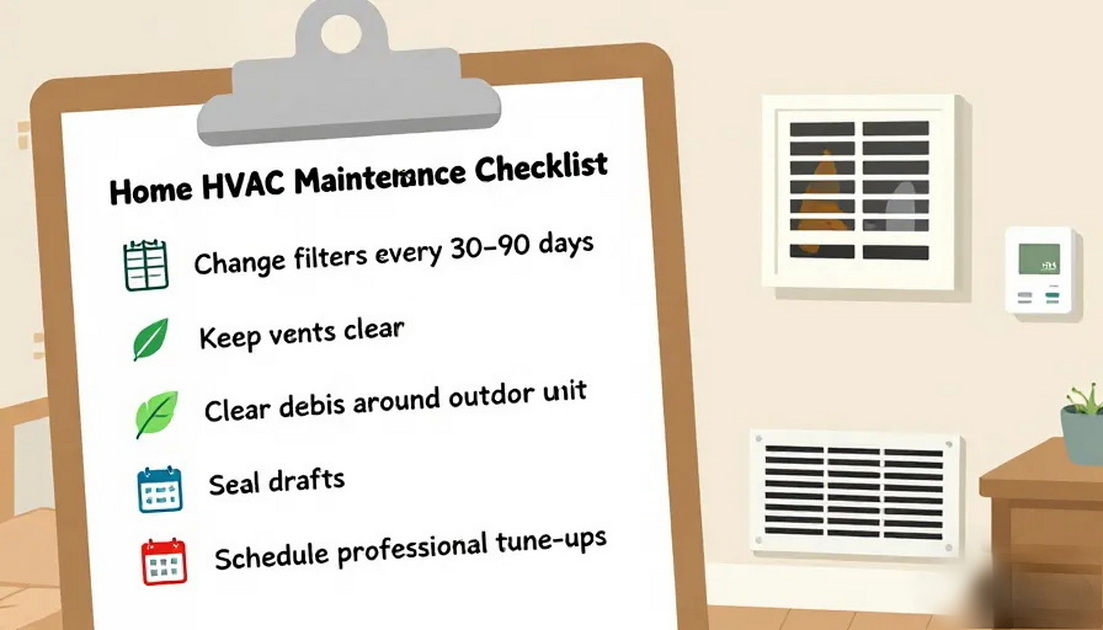
You don't need to be a technician to add years to your system; you just need a consistent routine. [ariesairflo]
- Replace or clean filters every 30–90 days, and more often if you have pets or allergies. [vikingheatingair]
- A clogged filter forces the system to work harder, shortening its life and raising bills. [constellation]
- Vacuum supply vents and return grilles regularly to remove dust. [ariesairflo]
- Avoid blocking vents with furniture, rugs, or curtains, which disrupts airflow. [ariesairflo]
- Keep at least two feet of clearance around outdoor condensers or heat pump units. [lookforther]
- Remove leaves, grass clippings, and debris that can choke airflow. [newbernac]
- Weatherstrip doors and caulk windows to reduce how often the system runs. [lookforther]
- Seal exposed ductwork joints to prevent loss of conditioned air and strain on the blower. [mooreselectric]
- Install a programmable or smart thermostat to avoid extreme, constant setpoints. [mooreselectric]
- Use setback schedules when you're away to reduce runtime without sacrificing comfort. [mooreselectric]
- Most experts recommend service in spring (cooling) and fall (heating). [mainlineheating]
- Regular tune‑ups catch small issues—like weak capacitors or minor leaks—before they become expensive failures. [vikingheatingair]
- Unusual noises, short cycling, or unexplained energy bill spikes are early clues your system needs professional attention. [trane]
- Addressing problems early nearly always extends system life compared to "run it until it dies."
From an expert's perspective, the decision is rarely about a single breakdown; it's about age, reliability, safety, and efficiency combined. [trane]
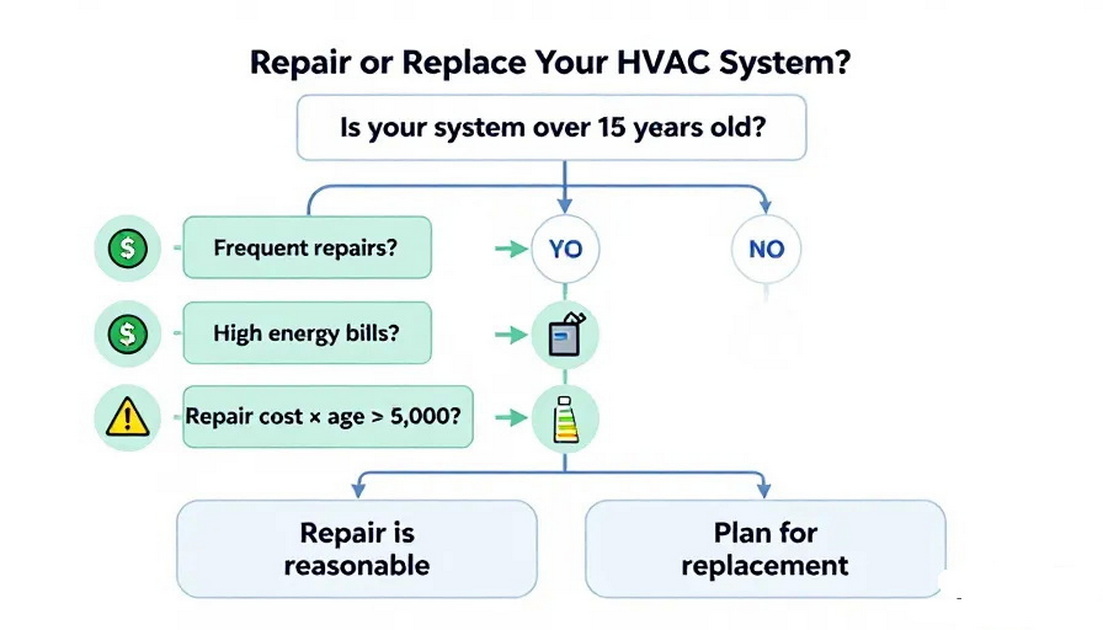
- Frequent repairs or repeated service calls in a single season. [mainlineheating]
- Rising energy bills even though your usage habits haven't changed. [cnet]
- Uneven temperatures room to room or weak airflow. [constellation]
- Strange noises like grinding, squealing, or banging from the indoor or outdoor unit. [trane]
- A system over 15 years old that still uses older, less efficient technology. [bryant]
Many contractors use a version of the "5,000 rule":
- Multiply the age of your system by the estimated repair cost.
- If the result is greater than 5,000 (for example, 15‑year‑old unit × $400 repair = 6,000), replacement is often the smarter long‑term investment.
While exact thresholds vary by market, once major repairs on an older, inefficient system start to approach 25–40% of the cost of a new system, replacement usually provides better comfort, reliability, and energy savings. [carrier]
If you scroll through homeowner forums and HVAC advice communities, you'll see a pattern: systems that receive regular maintenance and were installed correctly routinely reach 15–20 years or more, while neglected or improperly installed units may fail before 10–12 years. [reddit]
Common homeowner themes include:
- Those who invest in routine maintenance plans report fewer emergencies and longer system life. [vikingheatingair]
- Upgrading to programmable thermostats and better filters often improves comfort and reduces dust complaints. [lookforther]
- Many regret waiting until a major heat wave or cold snap to address clear warning signs.
From a professional standpoint, the message is clear: treat your HVAC system as essential infrastructure, not an afterthought, and it will reward you with years of quiet, dependable comfort. [bryant]
A trusted local heating and cooling company—such as Mega Services Heating & Cooling in your area—acts as your long‑term HVAC partner, not just an emergency repair vendor.
An expert team can help you:
- Set up a custom maintenance schedule for your exact system type and usage.
- Track system age, major repairs, and performance so you can plan replacements proactively.
- Choose right‑sized, high‑efficiency equipment that matches your home and climate.
- Verify safe operation of gas furnaces, flues, and electrical components.
When you work with experienced, certified technicians, you're not just buying a repair—you're investing in safety, comfort, and predictable long‑term costs. [mainlineheating]
To summarize your action plan as a homeowner:
1. Check your system's age and note the installation date if you have it.
2. Replace your air filter if you haven't done so in the last 60–90 days.
3. Walk around your home to clear vents and registers and check outdoor units.
4. Review your energy bills from the last 12 months for unexplained increases.
5. Schedule a professional tune‑up if it's been more than a year since your last service.
If your system is over 15 years old or showing repeated issues, now is the time to talk with a trusted local HVAC expert about your options—not in the middle of the hottest or coldest week of the year. [cnet]
Call to Action:
If you want a personalized assessment of your system's remaining life, a maintenance plan tailored to your home, or advice on when to repair versus replace, contact your local heating and cooling professionals today to schedule a comprehensive system evaluation.
Most residential HVAC systems last 15–20 years, while furnaces and boilers can often run 15–25 years and some geothermal systems reach 25–30 years with proper maintenance. [princetonair]
It's possible but uncommon; only well‑installed, well‑maintained systems in moderate climates tend to approach 30 years, and efficiency will usually lag behind newer equipment by that point. [carrier]
Industry experts generally recommend maintenance at least once a year, and many suggest twice yearly—once before cooling season and once before heating season—for optimal performance and lifespan. [constellation]
The highest‑impact, low‑cost steps include changing filters on schedule, keeping vents and outdoor units clear, sealing air leaks, using smart thermostat settings, and staying current with professional tune‑ups. [newbernac]
If your system is over 15 years old, needs frequent or expensive repairs, or your utility bills are steadily rising despite maintenance, replacement is often the smarter long‑term choice, especially when repairs approach a significant percentage of a new system's cost. [trane]
1. One Hour Magic of Charleston. "What Is The Average Life Of A Home AC System?"
<https://www.onehourheatandair.com/charleston/about-us/blog/2025/may/average-life/>
2. Carrier Residential. "How Long Do HVAC Systems Last."
<https://www.carrier.com/residential/en/us/products/heating-cooling/how-long-do-hvac-systems-last/> [carrier]
3. Bryant. "How Long Do HVAC Systems Last? | Average HVAC Lifespan Guide."
<https://www.bryant.com/en/us/products/how-long-do-hvac-systems-last/> [bryant]
4. Constellation Energy. "Average HVAC System Lifespan and How to Extend It."
<https://www.constellation.com/energy-101/energy-efficiency-tips/hvac-lifespan-and-tips-to-extend.html> [constellation]
5. Princeton Air. "What is the Average Life Expectancy of an HVAC System?"
<https://www.princetonair.com/blog/what-average-life-expectancy-hvac-system/> [princetonair]
6. LookForTheR (REALTOR). "The Ultimate Guide to HVAC Maintenance for Homeowners."
<https://lookforther.realtor/organize-maintain/home-maintenance-tips/hvac-maintenance-checklist/> [lookforther]
7. Viking Heating & Air. "3 Ways to Prolong the Life of Your HVAC System."
<https://www.vikingheatingair.com/post/3-ways-to-prolong-the-life-of-your-hvac-system> [vikingheatingair]
8. Mainline Heating & Air. "Top 7 Tips on Extending An HVAC System's Lifespan."
<https://www.mainlineheating.com/about/blog/top-7-tips-on-extending-an-hvac-systems-lifespan/> [mainlineheating]
9. CNET. "Your HVAC Should Last 20 Years, but It Can Last Longer. Here's How."
<https://www.cnet.com/home/energy-and-utilities/heres-how-long-your-hvac-system-should-last/> [cnet]
10. Reddit – r/hvacadvice. "How long does a typical HVAC last?"
<https://www.reddit.com/r/hvacadvice/comments/14eubd5/how_long_does_a_typical_hvac_last/> [reddit]


