
Views: 213 Author: Mega Services Publish Time: 2026-08-20 Origin: Site


Content Menu
● What Does an AC Compressor Do?
>> How the Air Conditioning Cycle Works
● 7 Signs of a Bad AC Compressor
>> 1. Your AC Is Blowing Warm Air
>> 2. The Outdoor Unit Makes Unusual Noises
>> 3. Your AC Breaker Keeps Tripping
>> 4. The Outdoor Fan Runs but the Compressor Does Not Start
>> 5. Your AC Runs Constantly but Cannot Reach the Set Temperature
>> 6. Ice Forms on Refrigerant Lines or the Indoor Coil
>> 7. Your Energy Bills Increase Without a Clear Reason
● Common Causes of AC Compressor Failure
>> Low Refrigerant Caused by a Leak
>> Dirty Coils and Poor Airflow
>> Electrical Component Failure
>> Age, Overheating, and Normal Wear
● Bad AC Compressor or Another Cooling Problem?
● What a Professional AC Compressor Inspection Includes
>> Information to Prepare Before Service
● Should You Repair or Replace a Bad AC Compressor?
>> When AC Compressor Repair May Make Sense
>> When System Replacement May Be More Practical
● How to Help Prevent AC Compressor Problems
● Summary
>> 1. Can an AC compressor be repaired?
>> 2. What does a bad AC compressor sound like?
>> 3. Will my air conditioner still run if the compressor is bad?
>> 4. Why is my AC compressor not turning on?
>> 5. Can low refrigerant damage an AC compressor?
>> 6. How often should AC maintenance be scheduled?
>> 7. Is it worth replacing an AC compressor in an old unit?
When your air conditioner is running but your home still feels warm, the AC compressor may be part of the problem—but it is not always the only cause. A dirty air filter, restricted airflow, an electrical fault, a refrigerant leak, or a thermostat issue can create similar symptoms.
At Mega Services Heating & Cooling, we help homeowners identify the true cause of cooling problems and make practical decisions about repair, maintenance, or replacement. The compressor is one of the most important components in a central air conditioning system. When it begins to fail, it can affect indoor comfort, energy use, and the long-term reliability of the entire system.
A system that blows warm air, makes unusual noises, trips the breaker, or runs for long periods should be inspected promptly. Early diagnosis may help prevent a smaller issue from developing into a more expensive repair.
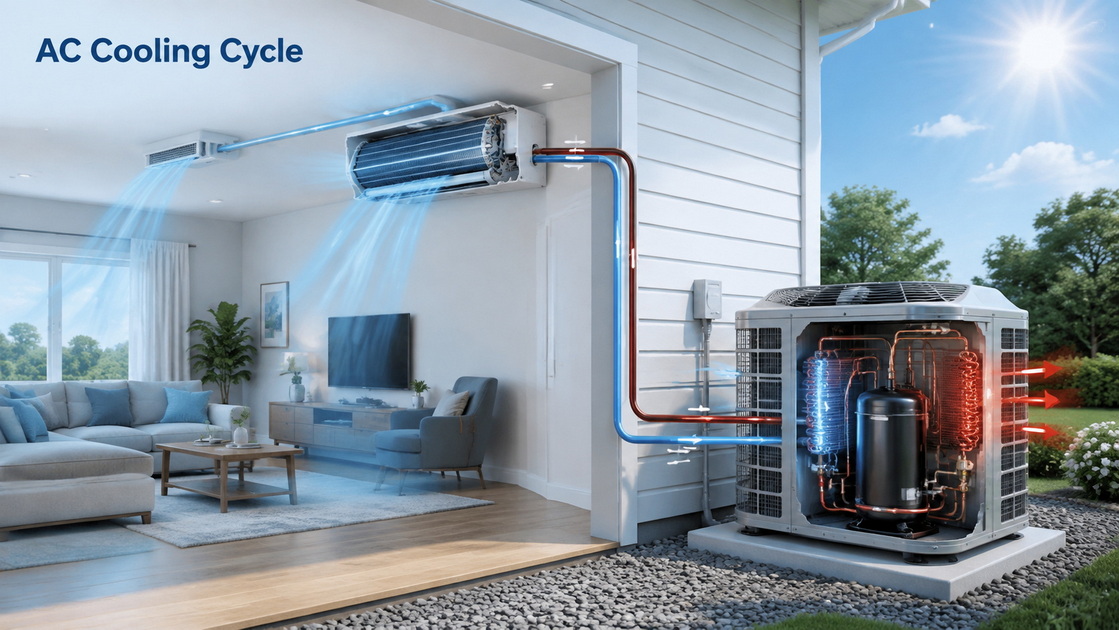
The AC compressor is typically located inside the outdoor condenser unit. Its primary job is to circulate refrigerant through the cooling system so heat can be removed from your home and released outdoors.
Although it is often described as the "heart" of an air conditioning system, the compressor depends on many other components to work properly. Good airflow, clean coils, correct refrigerant levels, reliable electrical connections, and proper system installation all help protect compressor performance.
The indoor evaporator coil absorbs heat from the air inside your home.
Refrigerant carries that heat from the indoor coil to the outdoor unit.
The compressor pressurizes the refrigerant and keeps it moving through the system.
The outdoor condenser coil releases the collected heat outside.
The cooled refrigerant returns indoors, allowing the process to repeat.
If the compressor cannot maintain proper refrigerant movement and pressure, the system may struggle to remove heat. The result may be weak cooling, warm air from vents, longer run times, or repeated system shutdowns.
Suggested image placement: Add a labeled diagram after this section showing the cooling cycle, including the indoor evaporator coil, refrigerant lines, outdoor compressor, condenser coil, and expansion device.
A failing compressor may show several warning signs before it stops working completely. Some symptoms are easy to notice, while others require professional electrical and refrigerant testing to confirm.
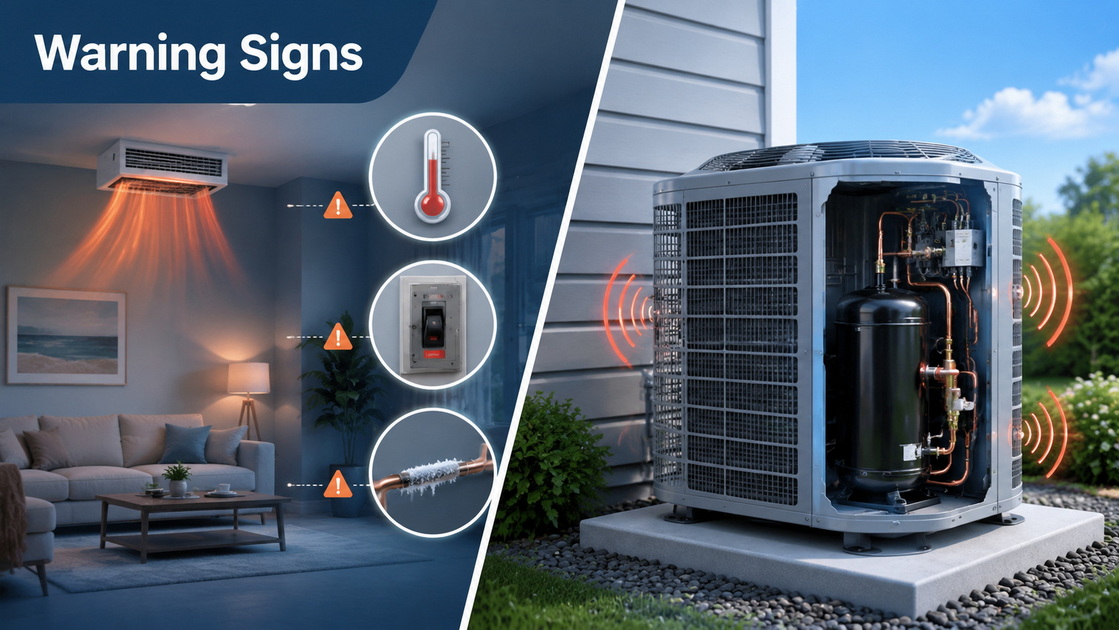
One of the most common signs of a bad AC compressor is a system that runs but does not provide enough cool air. Air may still come from the supply vents, but it may feel warm, room temperature, or only slightly cooler than the air inside your home.
A weak or damaged compressor may not be able to circulate refrigerant effectively. However, warm air does not always mean the compressor has failed. Other possible causes include:
- A dirty or clogged air filter
- A frozen evaporator coil
- Low refrigerant caused by a leak
- A dirty outdoor condenser coil
- A thermostat setting issue
- A malfunctioning capacitor or contactor
- Restricted ductwork or poor airflow
Before assuming the compressor is the problem, check that the thermostat is set to Cool, confirm that the filter is not dirty, and make sure the outdoor unit is free of visible debris. If the issue continues, the system should be inspected.
A central air conditioner normally produces a consistent operating sound. New, loud, or irregular noises should not be ignored, particularly when they come from the outdoor condenser unit.
Common sounds and their possible causes include:
| Sound | Possible Cause |
|---|---|
| Grinding or metal-on-metal noise | Worn internal compressor components, bearings, or other mechanical damage |
| Rattling | Loose panels, screws, debris, fan components, or internal parts |
| Loud buzzing | Electrical issue, failing contactor, loose wiring, or compressor-related problem |
| Clicking without startup | Capacitor, relay, contactor, or compressor-start issue |
| Squealing | Often related to a fan motor, belt, or moving component rather than the compressor |
Even if the air conditioner still cools your home, unusual noise can indicate that a component is under stress. Addressing the issue early may reduce the risk of additional damage.
If the circuit breaker trips when the air conditioner starts or while it is running, the system may be experiencing an electrical problem. A compressor requires a large amount of power during startup, and a failing component can cause the system to draw more electricity than it should.
Potential causes include:
- A weak or failed capacitor
- A damaged contactor
- Loose, worn, or damaged wiring
- An overheated compressor
- A compressor drawing excessive amperage
- A problem with the electrical panel or circuit breaker
Do not repeatedly reset the breaker. Repeatedly forcing the system to restart can increase equipment stress and may create an electrical safety concern. Turn the cooling system off and arrange for an inspection.
Sometimes the outdoor fan may be running while the compressor does not start. In this situation, the system may appear to be operating from the outside, but it will not cool the home effectively.
This can happen when the compressor is unable to start or when an electrical component prevents it from receiving the power it needs. Possible causes include a failed capacitor, damaged contactor, loose electrical connection, overheating, or internal compressor failure.
A technician can test voltage, electrical continuity, starting components, and compressor amperage to determine whether the compressor is actually damaged or whether a less extensive repair is needed.
An air conditioner may run for long periods during very hot weather. However, if your system runs almost continuously and still cannot reach the temperature set on the thermostat, there may be a performance problem.
A failing compressor can lose its ability to move refrigerant efficiently. This can reduce cooling capacity and cause longer run times. The system may consume more electricity while delivering less comfort.
Other potential reasons for constant AC operation include:
- Dirty indoor or outdoor coils
- Low refrigerant levels
- Restricted airflow
- Leaky ductwork
- Poor insulation or air leaks around the home
- An undersized cooling system
- Extreme outdoor temperatures
The important question is not simply whether the AC runs. It is whether the system is delivering consistent, effective cooling throughout your home.
Ice on the refrigerant lines, evaporator coil, or outdoor unit is a sign that the cooling system is not operating normally. Freezing may be linked to low airflow, a dirty air filter, a dirty evaporator coil, low refrigerant levels, or a system pressure issue.
If you notice ice, take the following steps:
Turn the cooling mode off to prevent additional strain on the system.
Check the air filter and replace it if it is visibly dirty.
Allow the system enough time to thaw completely.
Do not attempt to add refrigerant or open sealed system components yourself.
Have the system inspected to identify the underlying cause.
Refrigerant is not a routine consumable. If your system is low, the underlying leak or service issue should be located and corrected rather than repeatedly adding refrigerant.
A sudden increase in cooling costs can be a warning sign that your HVAC system is working harder than it should. A weak compressor may require longer run times to provide the same level of cooling, increasing electricity use.
However, compressor failure is not the only reason for higher energy bills. Dirty filters, blocked outdoor coils, duct leaks, aging equipment, poor insulation, and unusually high outdoor temperatures can also affect energy consumption.
Regular filter changes remain one of the simplest ways to support healthy airflow. A clean filter can help reduce unnecessary strain on the blower, evaporator coil, and compressor.
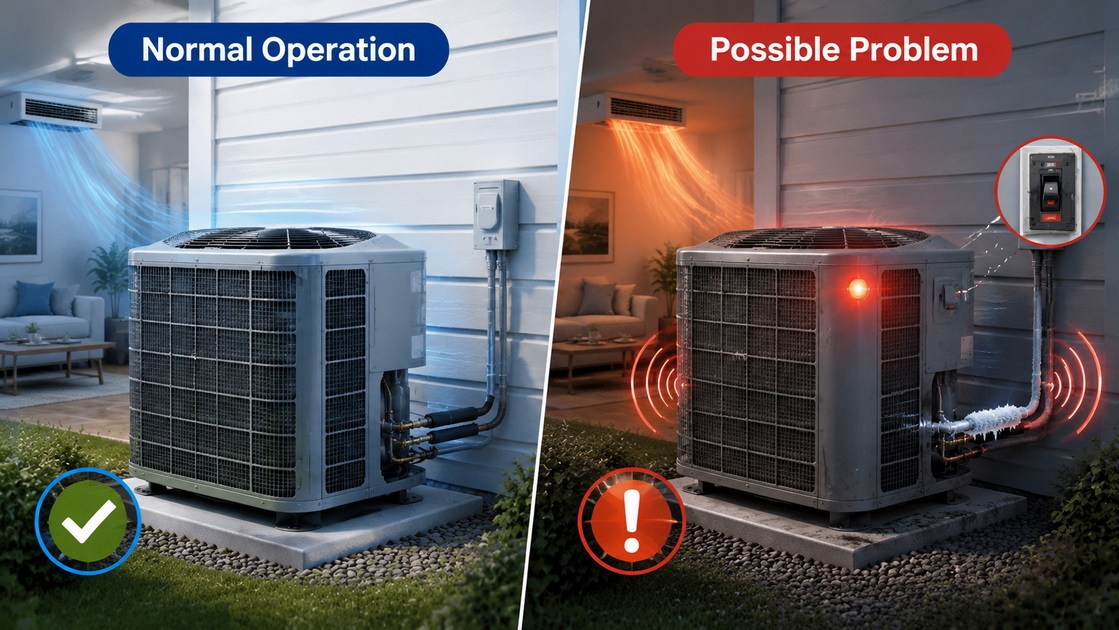
Suggested image placement: Add a comparison graphic here titled "Normal AC Operation vs. Possible Compressor Failure." Include cooling output, sound level, run time, breaker behavior, and energy use.
AC compressors are built to handle demanding conditions, but they depend on the rest of the system to operate within safe limits. In many cases, compressor failure develops after another unresolved issue places ongoing stress on the equipment.
Your air conditioner should not normally lose refrigerant. If the system is low, there is usually a leak, an installation issue, or a previous service-related problem.
Low refrigerant can reduce cooling capacity and affect system pressures. Over time, this can place additional stress on the compressor. Adding refrigerant without finding and repairing the leak may provide temporary cooling, but it does not solve the root cause.
The outdoor condenser coil releases heat from your home into the outdoor air. When the coil is covered with dirt, grass clippings, leaves, or other debris, the system cannot release heat as efficiently.
Indoor airflow is just as important. A clogged air filter, dirty evaporator coil, blocked return vent, or closed supply vents can reduce airflow through the system. Restricted airflow may contribute to frozen coils, uneven temperatures, longer run times, and unnecessary equipment strain.
Electrical components play a major role in compressor operation. A capacitor helps the compressor start, while a contactor controls the flow of electricity to the outdoor unit. When these parts begin to fail, the compressor may hum, click, struggle to start, or shut down unexpectedly.
Electrical issues can look very similar to compressor failure. This is why testing is essential before approving a major repair or replacement.
Like any mechanical component, compressors wear over time. Outdoor units are exposed to heat, rain, dirt, vibration, and seasonal temperature changes. Older systems may also have accumulated years of operating stress, especially if maintenance has been inconsistent.
A compressor that overheats repeatedly may eventually experience internal damage. Keeping coils clean, airflow unrestricted, and electrical components in good condition can help reduce avoidable stress.
Several HVAC issues can create similar symptoms. The table below helps homeowners understand why professional diagnosis is important.
| Symptom | Possible Compressor Issue | Other Possible Causes |
|---|---|---|
| AC blows warm air | Compressor cannot circulate refrigerant properly | Low refrigerant, dirty coil, frozen coil, thermostat issue |
| Outdoor unit hums but does not start | Locked or failed compressor | Bad capacitor, damaged contactor, wiring issue |
| Breaker trips repeatedly | Compressor draws excessive amperage | Electrical fault, fan motor issue, damaged breaker |
| System runs constantly | Reduced compressor performance | Dirty filter, leaky ductwork, poor insulation, undersized system |
| Loud outdoor-unit noise | Internal mechanical damage | Loose panels, debris, fan blade, electrical component issue |
| Ice on refrigerant line | Pressure or refrigerant circulation concern | Low airflow, dirty filter, refrigerant leak, dirty coil |
This information can help homeowners recognize potential warning signs, but it cannot replace on-site testing. The actual cause should be confirmed through a complete system evaluation.
A complete inspection helps determine whether the compressor is the actual problem or whether another repair can restore normal operation. Accurate diagnosis can prevent unnecessary expense and help protect the rest of the HVAC system.
A thorough evaluation may include:
- Checking thermostat settings and system controls
- Inspecting the air filter and indoor airflow
- Examining the outdoor condenser coil and fan operation
- Testing capacitors, contactors, wiring, and voltage
- Measuring compressor amperage and electrical performance
- Evaluating refrigerant pressures and temperature differences
- Inspecting for refrigerant leaks when appropriate
- Checking for frozen coils, drainage problems, and visible damage
- Reviewing system age, repair history, and overall condition
Providing a few details about the problem can help speed up diagnosis and make the visit more productive.
- When the cooling issue first began
- Whether the system blows warm air, weak cool air, or no air
- Any unusual sounds and when they occur
- Whether the circuit breaker has tripped
- Whether you have seen ice, water, or visible damage
- The last time the air filter was replaced
- The approximate age of the system
- Whether the issue occurs only during very hot weather
The best choice depends on the specific diagnosis, the age and condition of the system, repair history, refrigerant type, and expected long-term operating costs.
- The system is relatively new and otherwise in good condition
- The issue involves a capacitor, contactor, wiring connection, or other repairable component
- A refrigerant leak can be properly identified and repaired
- The compressor has not suffered severe internal damage
- The repair cost is reasonable compared with replacement
- The compressor has failed internally
- The air conditioner is older and has required frequent repairs
- The repair cost represents a substantial portion of a new system
- The unit has continuing comfort, humidity, or energy-use problems
- Replacement parts or refrigerant options are becoming more limited
- A properly sized new system could improve comfort and reliability
Replacement decisions should consider more than equipment efficiency ratings. Proper sizing, duct condition, airflow, installation quality, and system commissioning all affect real-world comfort and energy performance.
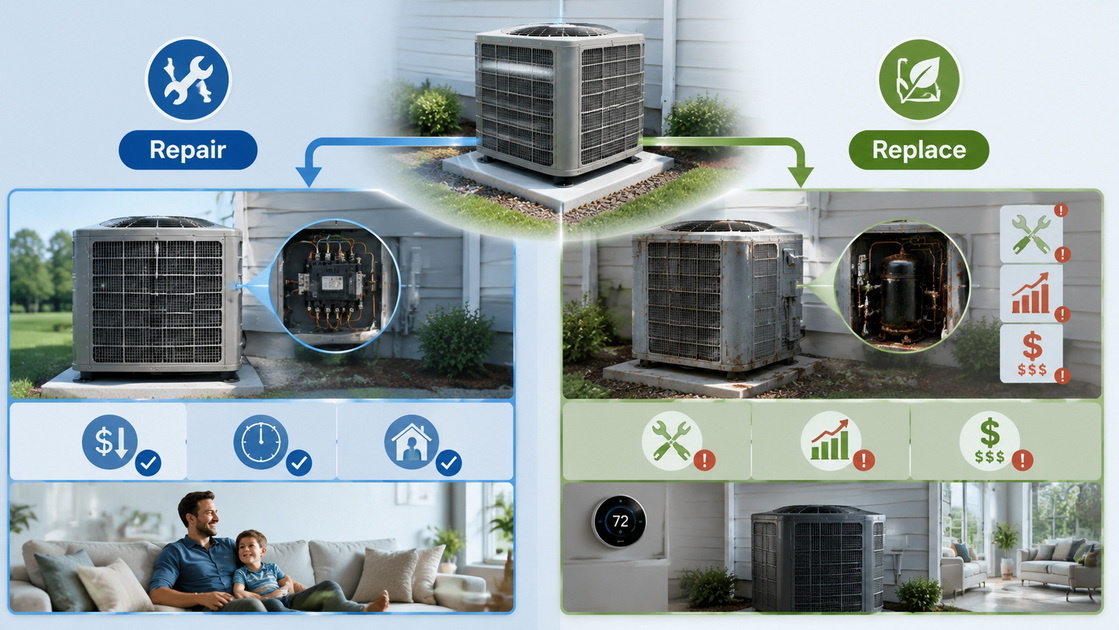
Suggested image placement: Add a simple "Repair or Replace?" decision graphic after this section. Include system age, repair cost, condition of major components, refrigerant status, and history of recurring problems.
No maintenance plan can eliminate every possible compressor failure. However, routine care can reduce avoidable strain and improve the chance of reliable cooling during the hottest months.
Check your air filter monthly. Replace or clean it according to the filter manufacturer's recommendations and your household's conditions.
Keep the outdoor unit clear. Remove leaves, grass clippings, branches, dirt, and stored items from around the condenser.
Maintain clear airflow. Keep supply and return vents unobstructed by furniture, rugs, curtains, or other household items.
Schedule seasonal maintenance. A professional inspection can identify dirty coils, electrical wear, drainage concerns, refrigerant issues, and airflow restrictions before summer demand increases.
Respond to warning signs early. Strange noises, reduced cooling, frozen lines, and breaker trips should be addressed before they create additional damage.
Avoid repeated refrigerant top-offs. If refrigerant is low, the system should be checked for the source of the problem.
A bad AC compressor can lead to warm air, loud noises, longer cooling cycles, repeated breaker trips, frozen lines, and rising energy costs. However, many of these symptoms can also be caused by airflow problems, dirty coils, electrical component failures, or refrigerant leaks.
The most reliable way to determine what is wrong is through a complete system inspection. A careful diagnosis can identify whether your home needs a minor electrical repair, airflow correction, refrigerant leak repair, compressor replacement, or a broader equipment replacement plan.
Mega Services Heating & Cooling is committed to helping families maintain safer, more comfortable, and more energy-efficient homes. If your air conditioner is showing signs of trouble, a timely inspection can help restore dependable comfort and protect your HVAC investment.
In some cases, yes. A compressor-related problem may be caused by a failed capacitor, contactor, wiring connection, or other electrical component that can be repaired without replacing the compressor. However, severe internal mechanical damage or electrical winding failure may require compressor replacement.
A bad compressor may produce grinding, rattling, buzzing, clicking, or humming sounds. Similar noises can also come from the fan motor, loose components, electrical controls, or debris inside the outdoor unit. An inspection is needed to confirm the source.
Some parts of the system may still run. The indoor blower and outdoor fan can operate even if the compressor cannot start or cannot circulate refrigerant properly. In this situation, the system may blow warm air or provide little cooling.
Possible reasons include a failed capacitor, damaged contactor, electrical issue, thermostat problem, overheated compressor, wiring damage, or internal compressor failure. Avoid repeatedly resetting the breaker because doing so can increase stress on the equipment.
Low refrigerant caused by a leak can reduce cooling performance and contribute to system stress. The underlying leak or service issue should be identified and corrected instead of repeatedly adding refrigerant.
Most homeowners benefit from a professional cooling-system inspection once each year, ideally before the main cooling season. Homeowners should also check air filters monthly and keep the outdoor unit free from leaves, dirt, and debris.
It depends on the age, condition, repair history, refrigerant type, and expected repair cost. If an older system has repeated problems or needs a costly compressor replacement, installing a new properly sized system may be the more reliable long-term option.
Logan A/C & Heat. How to Tell if Your Home AC Compressor Is Bad.
U.S. Department of Energy. Energy Saver 101: Home Cooling.
U.S. Environmental Protection Agency. Homeowners and Consumers: Frequently Asked Questions.
U.S. Environmental Protection Agency. Section 608 Technician Certification Requirements.
ENERGY STAR. When Is It Time to Replace Your Heating and Cooling System?.
ENERGY STAR. Clean Heating and Cooling.


