
Views: 222 Author: Loretta Publish Time: 2026-02-14 Origin: Site


Content Menu
● What Is an AC Drain Line and Why Algae Is a Problem
● Key Signs of Algae or a Clogged AC Drain Line
● Safety First: Before You Work on the Drain Line
● Step 1: Empty and Clean the AC Drain Pan
● Step 2: Access and Clean the Drain Line Vent
● Step 3: Remove Stubborn Clogs in the Drain Line
● Step 4: Use Vinegar to Kill Algae in the AC Drain Line
● Step 5: Use Algae Pan Strips or Tablets for Ongoing Protection
● Step 6: Bleach, Vinegar, or Algaecide – What Works Best?
● When to Call a Professional HVAC Technician
● Professional Maintenance Plans and Long-Term Prevention
● Simple AC Drain Line Maintenance Checklist for Homeowners
● Quick Reference: AC Drain Line Cleaning Methods
● Take Action Now to Protect Your Home
● FAQs About Algae in AC Drain Lines
>> 1. How often should I pour vinegar into my AC drain line?
>> 2. Is bleach safe to use in an AC drain line?
>> 3. Can I clean the AC drain line myself, or do I need a professional?
>> 4. What happens if I ignore a clogged AC drain line?
>> 5. Do all air conditioners shut off automatically when the drain line is clogged?
Keeping your AC drain line clear of algae is essential to avoid water damage, mold growth, and expensive HVAC repairs. This guide shows you exactly how to prevent algae in an AC drain line step by step, when to call a professional, and how to keep your system running efficiently year-round.
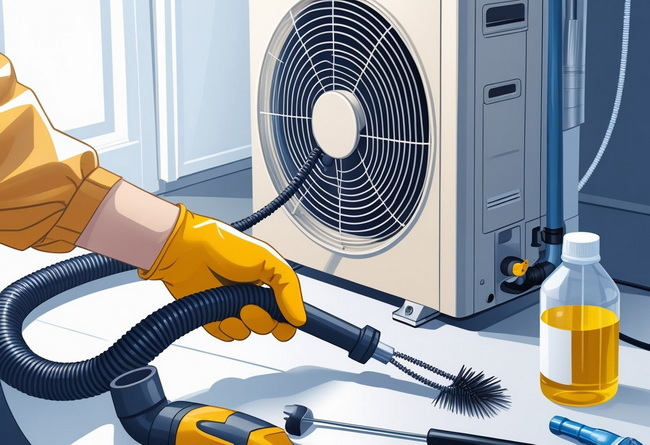
Your air conditioner's evaporator coil removes humidity from the air and the resulting condensation flows into a drain pan and out through a condensate drain line (also called an AC drain line). When this line stays constantly damp and warm, it becomes the perfect place for algae, mold, and bacteria to grow.
If algae builds up, it can:
- Clog the drain line and stop water from flowing out
- Cause water to back up into the drain pan and overflow
- Lead to water damage on floors, walls, or ceilings around the air handler
- Contribute to mold growth and poor indoor air quality
Preventing algae in an AC drain line is therefore not just a maintenance task; it is a key step in protecting your home and your HVAC investment.
Watch for these common warning signs that your AC condensate line may be partially or fully blocked:
- Water pooling around the indoor air handler or furnace closet
- Damp spots or stains on ceilings or walls near the unit
- Musty or moldy odors when the AC is running
- AC turning off unexpectedly if it has a built-in float switch safety device
- Visible slime or greenish buildup near the drain outlet outside
If you notice any of these, treat the issue quickly to avoid serious damage and schedule a professional inspection if the problem returns frequently.
Before you perform any DIY work on an AC condensate line, always follow these safety steps:
1. Turn off power at the breaker to the air conditioner or air handler.
2. Allow a few minutes for any moving parts or electronics to power down.
3. Wear gloves and safety glasses if dealing with bleach or algaecide.
Cutting power protects the equipment and reduces the risk of electric shock while you open panels or access the drain pan.
The drain pan sits under or just below the evaporator coil and collects condensation before it flows into the drain line. The longer water sits in the pan, the more opportunity algae has to grow.
Follow these steps to empty and clean the drain pan:
1. Turn off the AC at the circuit breaker.
2. Open the air handler's access door.
3. Locate the drain pan, usually directly below the evaporator coil.
4. Use a shop vac or absorbent towels to remove all standing water.
5. Wash the pan with dish soap or white vinegar to remove residue and biofilm.
6. Insert a thin wire brush into the pan outlet to break up any debris or early clogs.
During warmer months when your system runs frequently, check the drain pan regularly and avoid letting water sit for long periods.
Most systems include a T-shaped vent (a vertical PVC tee with a removable cap) on the condensate line near the indoor unit. This is the main access point for cleaning solutions and brushes.
To clean the vent and the first section of the line:
- Remove the PVC cap on the T-shaped pipe.
- Insert a wire brush into the vertical section to scrape away algae and sediment.
- Wipe away any loose debris at the top of the pipe.
This basic cleaning improves flow and prepares the line for a deeper flush with vinegar, bleach, or algaecide.
If your AC drain line is already clogged with algae or debris, you may need mechanical tools to restore proper drainage.
From the indoor access point:
- Run a plumber's snake down the pipe to break through blockages or pull debris back out.
- Seal a shop vac or wet/dry vacuum to the pipe opening using tape, then run the vacuum to pull out sludge and clumps of algae.
- Carefully insert a garden hose into the vent and flush the line with water toward the exit.
From the outdoor drain outlet:
- Locate the exterior pipe opening near the outdoor unit or a floor drain.
- Clean around the opening with a stiff brush to remove leaves, nests, or dirt.
- Use a plumber's snake, shop vac, or garden hose at this point as well to clear clogs from the other end.
If water still backs up in the drain pan after these efforts, it is time to contact a professional technician.
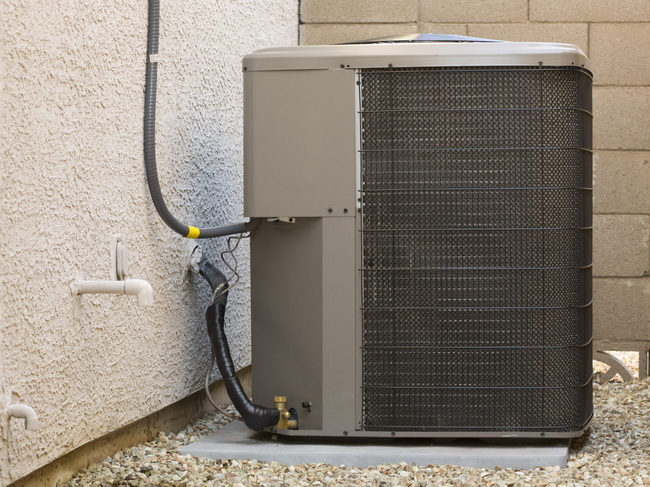
White distilled vinegar is one of the most effective and homeowner-friendly ways to control algae growth inside an AC drain line.
How to use vinegar:
1. Remove the PVC cap at the pipe vent access point.
2. Slowly pour about one cup of white distilled vinegar into the pipe.
3. Let the vinegar sit in the line for a few hours to kill algae, bacteria, and mold.
4. Pour water through the vent to flush out the line, and have someone check the outdoor outlet to confirm that the water flows freely.
5. Replace the PVC vent cap, close the access panel, and restore power at the breaker.
Repeat this treatment periodically during the cooling season as a preventive maintenance measure.
Algae pan strips or condensate tablets are designed to treat the water before it flows into the AC drain line, preventing algae colonies from forming.
You can use them as follows:
- Place the strips or tablets in the drain pan, following the product instructions.
- Replace them twice a year for consistent protection.
- If you have an open-line system without a drain pan, place the tablets directly into the condensate line and replace them about every six months.
Some homeowners also use liquid additives formulated to prevent algae, which are added every 90 days while the system is in use.
For more aggressive cleaning or when algae growth is persistent, many systems respond well to periodic treatments with bleach, vinegar, or specialized algaecide.
- Bleach: Effective at killing organic growth but should be used sparingly because it is corrosive and produces strong fumes.
- Vinegar: Gentler, more eco-friendly, and still highly effective for routine prevention and mild buildup.
- Algaecide: Designed specifically to prevent algae colonization inside the line, often used as part of a professional maintenance program.
A typical schedule is to pour one of these options into the indoor access line once or twice during the cooling season, wait about 30 minutes, and then flush with water. If water remains in the pan afterward, a deeper blockage is likely and professional service is recommended.
Some AC systems will automatically shut down when a blockage is detected, using a float switch in the drain pan to prevent overflow. Others keep running, which can cause serious water damage if the clog is not discovered in time.
You should call an HVAC professional if:
- The drain line clogs repeatedly even after cleaning
- You see water overflowing from the drain pan
- There is visible mold around the air handler or nearby building materials
- You are not comfortable opening the air handler or using mechanical tools
A trained technician can inspect both indoor and outdoor components, clear the drain line and pan, and recommend long-term solutions such as upgraded drain configurations or regular maintenance plans.
Routine professional maintenance is one of the most reliable ways to keep an AC drain line clear and reduce algae problems. During a maintenance visit, technicians will:
- Inspect the condensation pan and drain line for blockages or algae growth
- Clean or treat the line with appropriate solutions or tablets
- Check the evaporator coil, air filter, and airflow for issues that may increase moisture levels
- Confirm that safety switches and controls are operating correctly
Many homeowners choose one-, two-, or three-year HVAC service plans that include regular tune-ups and drain line checks. Choosing a plan keeps your system efficient, helps prevent surprise breakdowns, and minimizes the risk of water damage from unnoticed clogs.
Use this quick checklist during the cooling season to reduce algae growth and clogs:
- Check around the indoor unit for standing water once a month.
- Inspect the outdoor drain outlet to ensure water is dripping while the AC is running.
- Pour one cup of white vinegar into the drain line vent every 1–3 months.
- Keep the area around the air handler clean and dry to discourage mold.
- Replace algae pan tablets as recommended by the manufacturer.
- Schedule annual professional maintenance to catch hidden issues early.
Method | Primary Use | Pros | Cons | Suggested Frequency |
Vinegar flush | Routine algae prevention | Non-toxic, inexpensive, effective | Mild odor, may need repeated use | Every 1–3 months |
Bleach flush | Aggressive algae removal | Strong disinfectant | Corrosive, strong fumes | Once or twice per season |
Algaecide additive | Long-term algae prevention | Designed for HVAC use, convenient dosing | Typically more expensive | Every 90 days in cooling use |
Pan tablets/strips | Treats water in the drain pan | Slow-release, easy to use | Must remember replacement | Twice per year |
Mechanical tools | Removing stubborn clogs | Clears fully blocked lines | Requires tools and some experience | As needed |
If you suspect algae in your AC drain line or have noticed water around your indoor unit, do not wait for the problem to get worse. A small clog can quickly turn into extensive water damage, mold growth, and a costly repair. Contact Mega Services Heating & Cooling today to schedule professional AC drain line inspection and maintenance, and keep your home safe, comfortable, and energy efficient all year round.
Contact us to get more information!
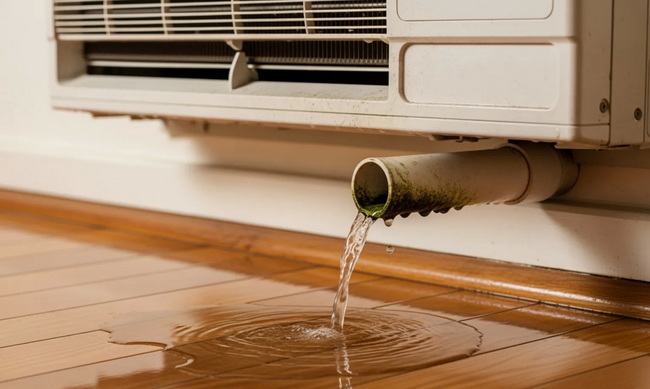
Most homeowners benefit from pouring about one cup of white vinegar into the condensate line every one to three months during the cooling season, which helps prevent algae and bacterial growth.
Bleach can be effective for killing heavy algae buildup, but it should be used sparingly because it is corrosive and has strong fumes. Many homeowners prefer vinegar for routine maintenance.
You can perform basic tasks such as flushing with vinegar, using pan tablets, and checking for visible clogs. Repeated blockages, overflows, or system shut-offs are signs that you should call an HVAC technician.
Ignoring a clogged drain line can lead to water backing up into the drain pan, overflowing, and damaging ceilings, walls, or floors. It can also encourage mold growth and poor indoor air quality.
Some systems include a float switch that turns the unit off when water levels in the pan get too high, but others do not. This is why regular inspection and maintenance are so important.
https://airprosusa.com/how-to-prevent-algae-in-an-ac-drain-line/


