
Views: 211 Author: Mega Services Publish Time: 2026-07-28 Origin: Site


Content Menu
>> What a Good Retrofit Usually Includes
● FAQs
>> 1. Can a boiler home be converted to a heat pump system?
>> 2. Do you always need new ductwork for a heat pump retrofit?
>> 3. Why use two heat pump systems instead of one?
>> 4. What is the biggest mistake homeowners make in these projects?
>> 5. Are rebates available for heat pump upgrades in Maryland?
>> 6. Is a heat pump good for both heating and cooling?
Switching from a boiler to a whole-home heat pump system is one of the smartest ways to add year-round comfort, improve efficiency, and simplify climate control in an older home. For a house that previously relied on hot-water heat in winter and window AC in summer, a properly designed heat pump retrofit can turn two separate comfort problems into one integrated solution.

This kind of retrofit is more than a simple equipment swap. The original home had a boiler system for heat, no ductwork, and window AC units for summer cooling, which means the upgrade required a full shift in how air moves through the house. In practical terms, the project moved from a hydronic-plus-window-unit setup to two separate heat pump systems with new ductwork and new air handlers.
That matters because homes without existing ducts need a different design approach than homes already built around forced air. A ducted heat pump works best when airflow, duct layout, and system sizing are planned together, while zoning and separate systems can improve comfort when different floors have different needs.
The remodel included three major changes. First, the home went from no ducts to a new whole-home duct system, with new duct runs added for the second and third floors. Second, the heating and cooling setup was split into two systems so the upper levels could be controlled independently. Third, the old boiler equipment was removed and replaced with air handlers tied to the new heat pump equipment.
Here is the upgrade in plain language:
| Before | After |
|---|---|
| Boiler heat | Whole-home heat pump heating and cooling |
| Window AC in summer | Integrated central cooling |
| No ductwork | New duct system added |
| One comfort pattern for the house | Two independent zones/systems |
This type of redesign often improves comfort because the home is no longer trying to force one old system to solve every seasonal need. It also makes the property easier to operate day to day, especially when different floors have different temperature loads.
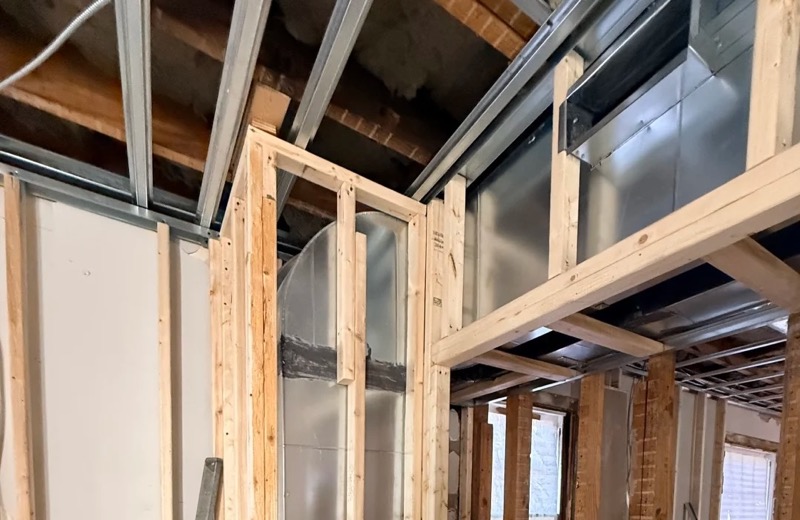
One of the most important lessons in heat pump retrofits is that equipment alone does not solve comfort problems. A heat pump can only perform well if airflow is handled correctly, and older homes often need duct repairs, duct redesign, or brand-new ductwork before the system can work as intended. Experts note that many existing furnace duct systems can be adapted, but the process should begin with a load calculation and airflow review rather than guesswork.
When ducts are missing entirely, the decision is simpler: the project needs a full duct design, not just a new outdoor unit. In homes like this one, the ducted approach creates a cleaner whole-home result than trying to rely on multiple window units or piecemeal cooling.
- A proper load calculation for the home.
- Duct sizing matched to the new system.
- Separate control for problem floors or rooms.
- Air handler placement that supports balanced airflow.
- Removal of obsolete equipment that no longer fits the home's layout.
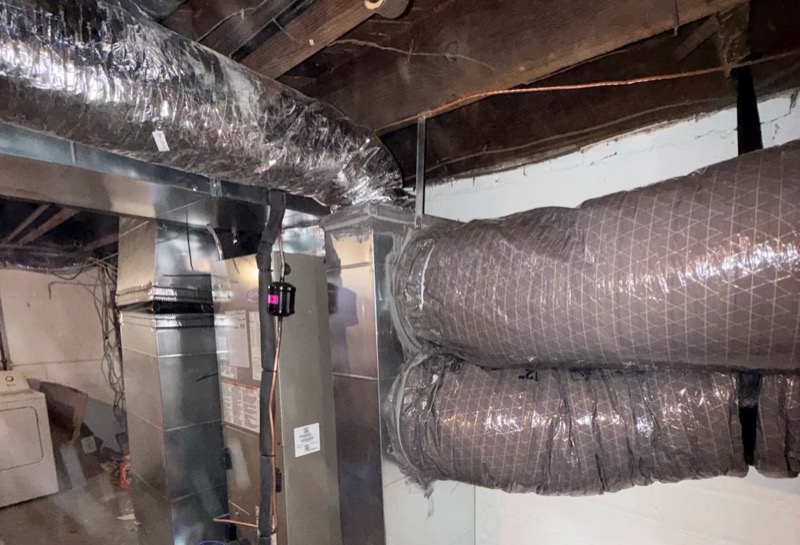
A modern heat pump system can heat and cool the same home with one setup, which improves convenience and often reduces wasted energy compared with older mixed systems. ENERGY STAR certified heat pumps include both ducted and ductless options, giving homeowners flexibility based on whether they already have ducts or need a new distribution plan.
In Maryland, homeowners may also have access to meaningful rebate support for heat pump projects, especially when switching from fossil-fuel heating to high-efficiency electric systems. Current state and utility programs cited in 2026 materials show incentives that can reach up to $15,000 for electrification projects, which can make a major retrofit easier to justify financially.
Older homes are often the best candidates for thoughtful heat pump planning because their comfort problems are usually structural, not just mechanical. Many have uneven temperatures, obsolete controls, or stopgap cooling solutions that never fully solved the problem in the first place. A well-designed conversion can address all of that at once by pairing new equipment with a better airflow strategy and floor-by-floor control.
From an installer's perspective, the real value is not only in replacing a boiler. It is in rebuilding the home's comfort system so it can serve both summer and winter conditions in a cleaner, more flexible way. That is especially important in multi-story homes, where zoning can reduce hot and cold spots and make daily comfort much more consistent.
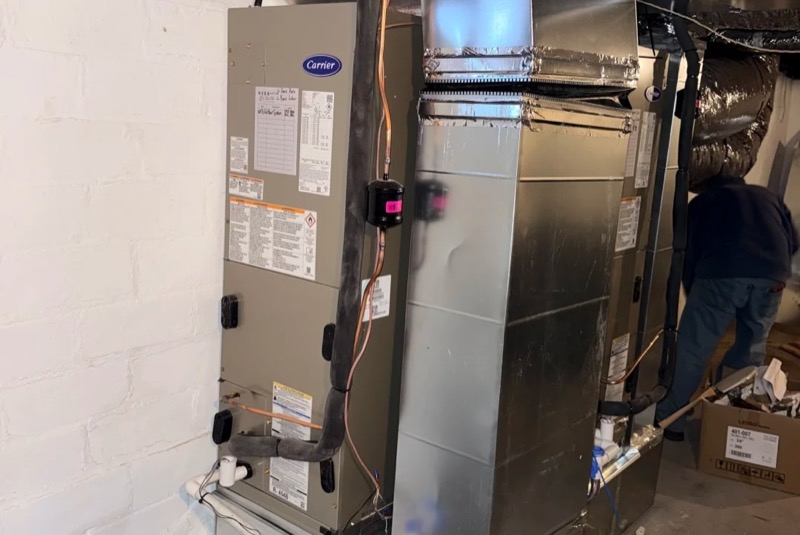
Before starting a similar project, homeowners should ask a few practical questions:
1. Can the home be served by one ducted system, or does it need zoning?
2. Is a full duct install required, or can part of the layout be reused?
3. How will the system handle the hottest and coldest floors?
4. Are there rebates available for the equipment and retrofit work?
5. Will the old boiler be removed completely, or kept as backup?
These questions help set expectations early and prevent a retrofit from becoming a trial-and-error project. They also make it easier to compare different contractor proposals on the same terms.
This project is a strong example of how an old boiler home can be transformed into a modern, all-electric comfort system without sacrificing livability. Instead of living with winter heating from one system and summer cooling from another, the homeowner now has a more unified solution built around the actual layout of the house.
For households in Maryland and the wider DMV area, this kind of upgrade is especially relevant because older homes, seasonal humidity, and changing efficiency incentives all make heat pump retrofits more attractive. The right design can improve comfort, lower friction in daily use, and prepare the home for long-term energy upgrades.
If your home still relies on a boiler, window AC, or an outdated mixed setup, the best next step is a professional comfort evaluation and heat pump design review. A well-planned retrofit can turn an uneven old house into a home that feels better in every season.
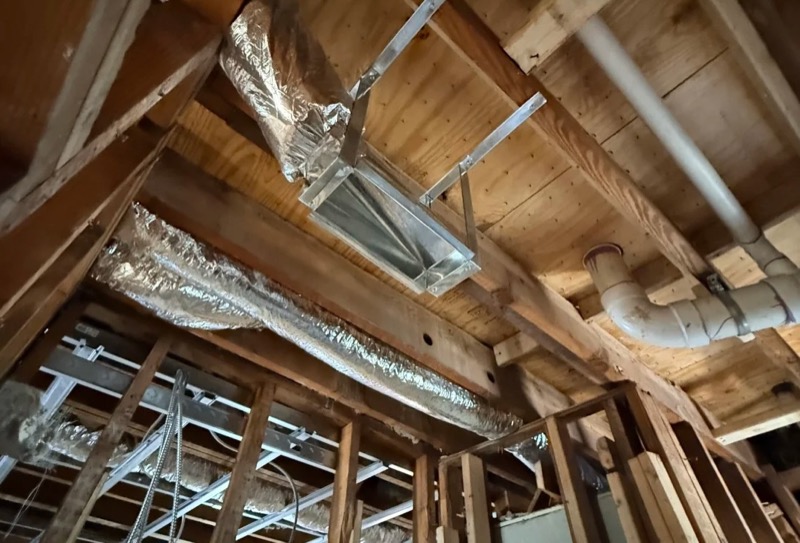
Yes. Homes with boiler heat can be converted, but the project usually requires a new duct design or another distribution strategy because boilers and heat pumps deliver comfort in very different ways.
No, but many older homes do need duct changes, repairs, or full new ductwork if none exists. The right answer depends on the home's layout, load, and airflow needs.
Two systems can give separate control to different floors, which helps with comfort and reduces uneven temperatures in multi-level homes. Zoning can also make the system easier to live with day to day.
The biggest mistake is choosing equipment before evaluating the home's load and airflow. Good retrofits start with design, not just replacement.
Yes. 2026 Maryland home improvement materials show rebates for heat pump and electrification projects, with some programs advertising support up to $15,000 depending on project scope and eligibility.
Yes. That is one of its main advantages: one system can provide both winter heating and summer cooling for the home.
- [ENERGY STAR Heat Pumps Results]
- [Energy Vanguard: Will a Heat Pump Work With Your Existing Ducts?]
- [2026 Maryland Heat Pump Rebate]
- [The 2026 Guide to Maryland Home Improvement Rebates]
- [Why Smart Homeowners Love HVAC Zoning]


