
Views: 293 Author: Mega Services Publish Time: 2026-07-27 Origin: Site


Content Menu
● Why One House Used Two Heating Systems
>> The Real Decision Factor: Energy Type
● What Is a Dual Fuel HVAC System?
>> How It Works
● Why Not Use One System Everywhere?
>> Key Factors That Influence System Choice
● Cost Comparison: Heat Pump vs Gas Furnace vs Dual Fuel
● New Insight: Why Maryland Homes Benefit Most from Dual Fuel Systems
● Installation Strategy: How Experts Design Hybrid Systems
● Common Mistakes Homeowners Make
● Maintenance Tips for Dual Fuel Systems
● When Should You Consider a Dual Fuel Upgrade?
● Upgrade Your Home Comfort Today
● FAQ
>> 1. What is the main advantage of a dual fuel HVAC system?
>> 2. Is a heat pump enough for Maryland winters?
>> 3. Is propane heating more expensive than natural gas?
>> 4. How do I know if my home is suitable for dual fuel?
>> 5. How often should I service my HVAC system?
When it comes to HVAC installation in Maryland, one of the most common questions homeowners ask is: Should I choose a heat pump or a gas furnace? The answer, based on real-world experience, is often both.
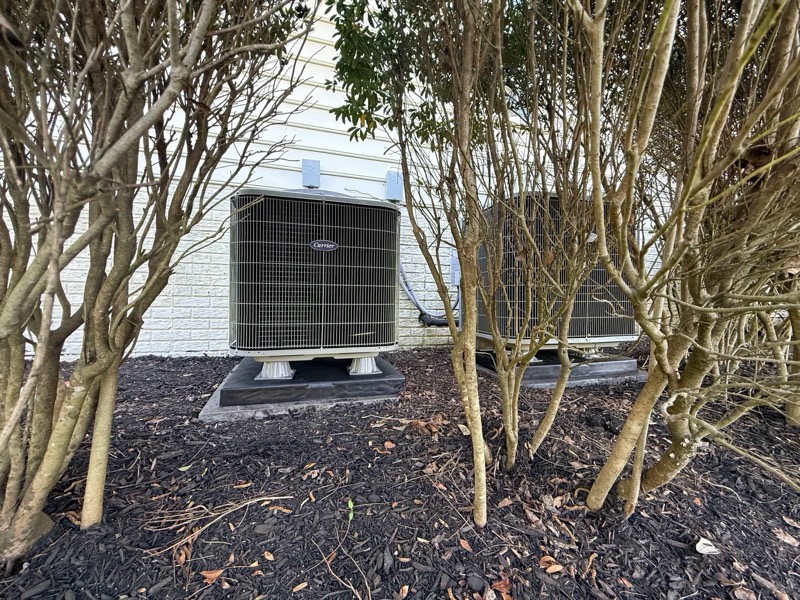
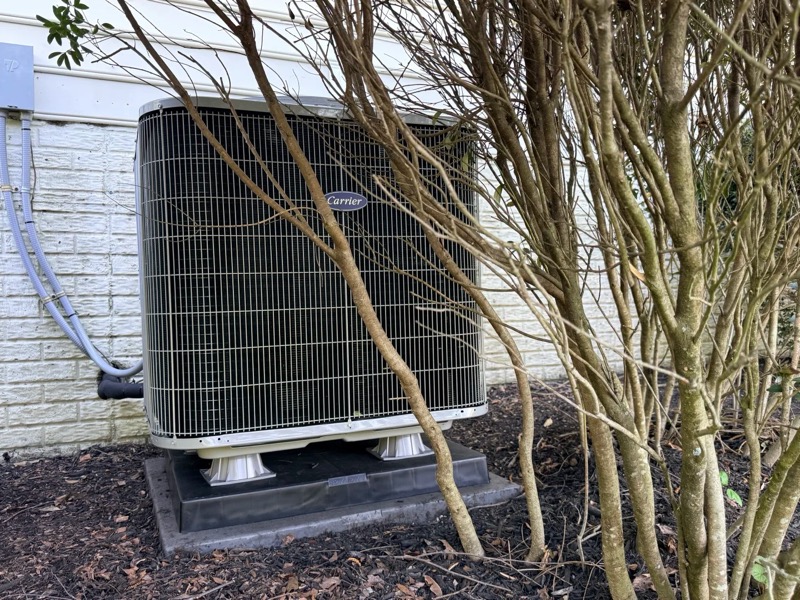
At Mega Services Heating & Cooling, we recently completed a project where a single home used two different heating systems: a Carrier dual fuel system (heat pump + gas furnace) in the basement, and a standard heat pump in the attic. At first glance, this may seem inconsistent. In reality, it reflects a strategic, cost-efficient, and comfort-driven approach tailored to energy types and usage patterns.

The key takeaway is simple: the choice of heating system is not just about equipment—it's about energy economics.
In this case:
- The basement system used a dual fuel setup (heat pump + gas furnace)
- The attic system used a heat pump only
Most homeowners assume system consistency matters. In practice, fuel type drives the decision:
- Natural Gas Homes
- Lower fuel cost
- Efficient for sustained winter heating
- Gas furnace can run continuously without major cost concerns
- Propane (LPG) Homes
- Significantly higher fuel costs
- Continuous furnace use leads to noticeable energy bills
- Requires a more flexible heating strategy
This is where dual fuel systems outperform single-system setups.
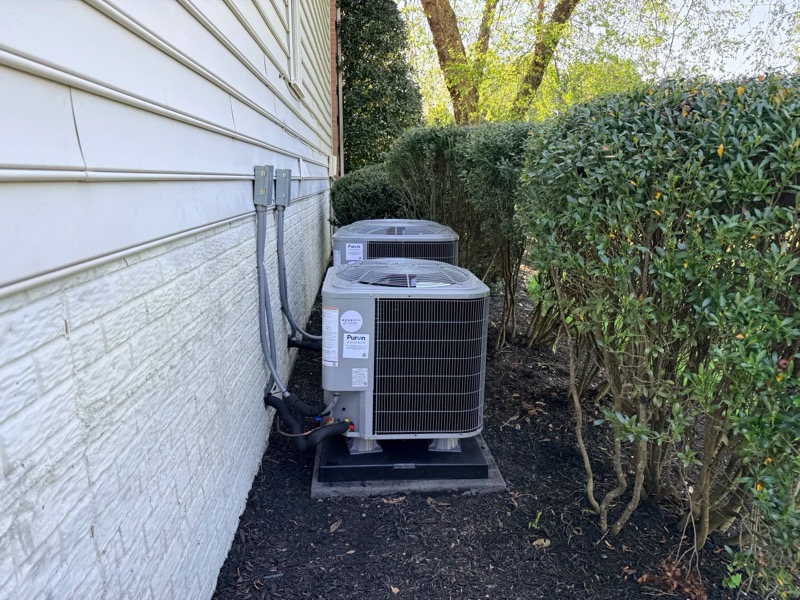
A dual fuel HVAC system combines:
- An electric heat pump (primary heating)
- A gas furnace (backup heating for colder temperatures)
The system automatically switches between the two based on outdoor temperature.
1. Mild Weather (Above ~35–40°F / 2–4°C)
- Heat pump operates efficiently
- Lower electricity cost
- Ideal for shoulder seasons
2. Cold Weather (Below ~35°F / 2°C)
- Heat pump efficiency drops
- Gas furnace activates
- Provides strong, consistent heat
This automatic switching mechanism ensures:
- Optimal comfort
- Lower operating costs
- Reduced system strain
From a technical standpoint, you *can* install a single system throughout the home. But doing so often ignores real-world performance differences between zones.
- Home layout: Basements vs attic spaces have different heat retention
- Duct design: Airflow efficiency varies by location
- Usage patterns: Living areas vs secondary zones
- Installation constraints: Space, ventilation, and code requirements
- Basement: Larger, primary living space → required strong, reliable heating → dual fuel
- Attic zone: Secondary or less-used area → heat pump sufficient
This approach balances:
- Installation cost
- Energy efficiency
- Daily comfort needs
Below is a simplified comparison based on Maryland energy trends:
- Heat Pump
- Lower upfront cost
- Efficient in moderate temperatures
- Struggles in freezing conditions
- Lower electricity bills in mild climates
- Gas Furnace
- Strong heating output
- Performs well in extreme cold
- Cost-effective with natural gas
- Expensive with propane
- Dual Fuel System
- Higher upfront investment
- Automatically optimizes energy use
- Best balance of comfort and cost
- Ideal for mixed climates like DMV region
In propane-based homes, relying solely on a gas furnace during winter can increase heating costs by 30–60% compared to hybrid systems, depending on usage patterns and insulation levels.
Maryland and the DMV region have variable winter climates, which makes them uniquely suited for hybrid systems.
- Average winter temperatures: 30°F–50°F (-1°C to 10°C)
- Frequent temperature fluctuations
- Occasional cold snaps
- Heat pumps can handle 60–70% of the heating season
- Gas furnaces only run during peak cold periods
- This reduces fuel consumption significantly
In contrast:
- Northern states rely more on furnaces
- Southern states can rely almost entirely on heat pumps
Maryland sits right in the "dual fuel sweet spot"
From a professional HVAC perspective, installing a dual system is not just about adding equipment—it requires precision planning.
1. Balance Point Calculation
- The temperature where switching occurs
- Typically set between 30°F–40°F
- Adjusted based on energy rates
2. Thermostat Programming
- Smart thermostats optimize switching
- Prevent unnecessary furnace use
3. Ductwork Optimization
- Ensures even air distribution
- Prevents hot/cold spots
4. Equipment Matching
- Proper sizing of heat pump and furnace
- Avoids inefficiency and short cycling
At Mega Services Heating & Cooling, these steps are part of every installation process to ensure long-term system performance and cost savings.
Understanding these pitfalls can save thousands over time:
- Choosing systems based on initial price only
- Ignoring fuel type and long-term energy costs
- Installing oversized or undersized units
- Skipping professional load calculations
- Using outdated thermostats that cannot optimize switching
To keep your system running efficiently:
- Schedule bi-annual maintenance (spring and fall)
- Replace air filters every 1–3 months
- Inspect outdoor heat pump units for debris
- Test thermostat switching function before winter
- Monitor energy bills for unusual spikes
Regular maintenance ensures:
- Longer system lifespan
- Stable performance
- Lower repair costs
Homeowners who switch to dual fuel systems often report:
- Noticeably lower winter heating bills
- More consistent indoor temperatures
- Faster heating during cold mornings
- Less system strain during peak usage
In one Maryland case, a homeowner reduced winter heating costs by over 35% after switching from a propane-only furnace to a dual fuel system.
A hybrid system is ideal if:
- Your home uses propane instead of natural gas
- You experience high winter energy bills
- Your current system struggles in cold weather
- You are planning a new HVAC installation or replacement
- You want a long-term cost-efficient solution
If you are considering HVAC installation, replacement, or repair in Maryland or Virginia, choosing the right system can significantly impact your comfort and energy costs.
Mega Services Heating & Cooling specializes in:
- Dual fuel system installation
- Heat pump upgrades
- Furnace replacement
- Energy-efficient HVAC solutions tailored to your home
Contact us today to schedule a professional consultation and discover the most cost-effective heating solution for your property.
A dual fuel system automatically switches between a heat pump and a gas furnace, ensuring optimal efficiency and comfort while reducing energy costs.
A heat pump can handle mild winter conditions, but during freezing temperatures, a backup furnace is recommended for consistent heating.
Yes, propane (LPG) is generally more expensive than natural gas, making dual fuel systems more cost-effective for propane-based homes.
A professional HVAC assessment is required, but homes in climates with moderate winters and fluctuating temperatures are ideal candidates.
At least twice a year—once before summer and once before winter—to ensure optimal performance and efficiency.
1. U.S. Department of Energy – Heat Pump Systems https://www.energy.gov/energysaver/heat-pump-systems
2. ENERGY STAR – Heating and Cooling https://www.energystar.gov/products/heating_cooling
3. Carrier Official – Dual Fuel Systems Overview https://www.carrier.com/residential/en/us/products/heat-pumps/dual-fuel-systems/
4. U.S. Energy Information Administration – Residential Energy Costs https://www.eia.gov/energyexplained/use-of-energy/homes.php
5. ASHRAE (American Society of Heating, Refrigerating and Air-Conditioning Engineers) https://www.ashrae.org


