
Views: 222 Author: Loretta Publish Time: 2026-02-24 Origin: Site


Content Menu
● What This Guide Will Help You Do
● How Your Central AC Actually Cools Your Home
>> The Basic Cooling Cycle in Plain Language
● What Is the Condenser and What Does It Do?
>> How the Condenser Releases Heat
>> Common Condenser Problems Homeowners See
● What Is the Evaporator and What Does It Do?
>> Where the Evaporator Is Located
>> How the Evaporator Absorbs Heat
● Condenser vs. Evaporator: Key Differences at a Glance
● Why Condenser and Evaporator Health Matters for Efficiency
>> How These Components Affect Energy Bills
>> Comfort, Humidity, and Indoor Air Quality
● Simple Homeowner Maintenance You Can Safely Do
>> 1. Keep the Outdoor Condenser Clean and Clear
>> 2. Replace or Clean Air Filters Regularly
>> 3. Check the Condensate Drain for Blockages
● What Only a Professional HVAC Technician Should Do
● Signs Your Condenser or Evaporator Needs Professional Attention
● Repair vs. Replace: Making a Smart Decision
● How Regular Maintenance Protects Your Condenser and Evaporator
● Latest Industry Trends: Energy-Efficient Upgrades for 2026
● How Mega Services Heating & Cooling Can Help
● Take Action Now: Schedule Your AC Checkup Today
● Frequently Asked Questions (FAQ)
>> 1. How often should my condenser and evaporator be serviced?
>> 2. Is it safe to hose off my outdoor condenser unit?
>> 3. Why does my indoor unit freeze up?
>> 4. Can I replace just the outdoor condenser and keep my old indoor coil?
>> 5. How do I know if it's time to replace my AC instead of repairing it?
When you understand the condenser and evaporator in your central air conditioner, you can spot problems earlier, talk confidently with technicians, and keep your system running efficiently for longer.
In this guide, we will:
- Explain what the condenser and evaporator are and how they work together
- Show where each component is located and what can go wrong
- Give practical maintenance tips you can safely follow at home
- Help you decide when to repair and when to replace
- Share how a professional HVAC company like Mega Services Heating & Cooling can protect your comfort and your wallet
This article is written for homeowners, not engineers, so we'll keep the language clear and focus on practical decisions instead of technical jargon.

A central AC system doesn't "create cold air" from nothing. It moves heat from inside your home to the outside. The key player is the refrigerant, a special fluid that circulates in a closed loop and constantly changes between liquid and gas.
In one full cycle:
1. The refrigerant absorbs heat from indoor air at the evaporator coil.
2. It carries that heat outside as a warm, low-pressure gas.
3. The compressor squeezes this gas, raising its temperature and pressure.
4. The condenser coil outside releases that heat into the outdoor air.
5. The refrigerant cools and turns back into a high-pressure liquid.
6. An expansion device drops its pressure so it can return to the evaporator and absorb heat again.
If any step in this loop is compromised, your system loses efficiency, runs longer, and wears out faster.
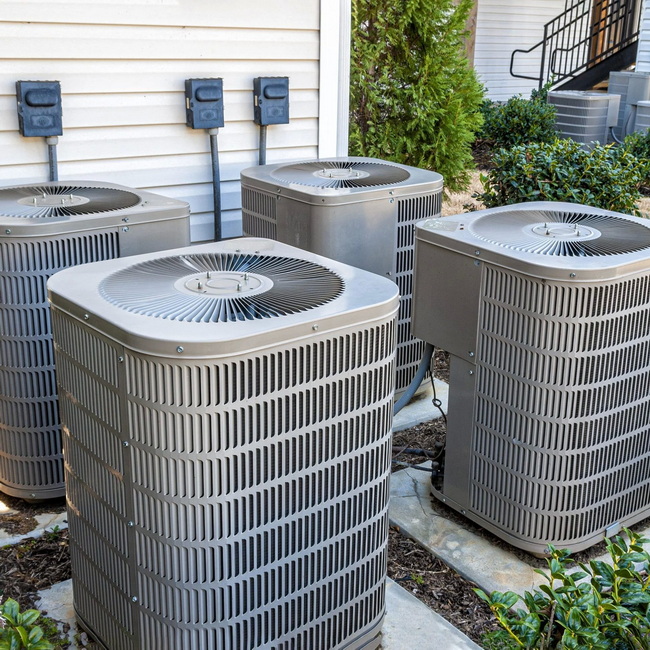
The condenser unit is the large metal box sitting outside your home, usually on a concrete pad or brackets. It includes:
- Condenser coil
- Fan and fan motor
- Compressor (the "heart" of the system)
- Electrical components and safety controls
Homeowners often call this entire outdoor assembly "the AC," but it is specifically the outdoor condensing unit.
Inside the condenser, hot, high-pressure refrigerant gas from the compressor flows through the condenser coil. The outdoor fan pulls cooler outside air across the coil, and that airflow carries heat away. As heat leaves the refrigerant, it condenses from a hot gas into a warm liquid - hence the name "condenser."
When the condenser works properly, it:
- Releases indoor heat quickly
- Keeps compressor temperatures under control
- Helps maintain stable indoor comfort even on very hot days
You might notice:
- Warm air from vents even though the outdoor unit is running
- Unusually loud operation (buzzing, rattling, grinding)
- Frequent cycling on and off
- High energy bills without a change in usage
Typical issues include:
- Dirty or clogged condenser coil
- Bent or damaged fins that block airflow
- Failing fan motor or fan blades
- Low refrigerant due to a leak in the system
- Failing compressor
Many of these issues can be prevented or at least caught early with regular professional maintenance and simple homeowner care.
The evaporator coil is usually hidden inside your home, near or inside the air handler or furnace cabinet. You'll typically find it:
- On top of a gas furnace (A-coil or N-coil design)
- Inside a dedicated air handler for all-electric systems
- Connected directly to your supply ductwork
Because it is concealed, homeowners often forget it exists - until there is a leak, ice buildup, or poor cooling.
Cool, low-pressure refrigerant enters the evaporator coil as a cold liquid. As your indoor blower fan pushes warm air from your home across the coil:
- The refrigerant absorbs heat from the air
- The refrigerant evaporates (turns into a gas) inside the coil
- The now-cool, dehumidified air is sent back into your ducts to cool your rooms
This is also where moisture is removed from the air. The coil surface gets cold, water condenses out of the air, and drips into a drain pan and then out via a condensate drain line.
Signs of evaporator issues include:
- Weak airflow from vents
- Uneven cooling from room to room
- Ice buildup on refrigerant lines or on the indoor unit
- Water around the furnace or air handler
- Musty odors when the system runs
Typical causes:
- Dirty evaporator coil
- Clogged condensate drain line
- Frozen coil due to restricted airflow or low refrigerant
- Corrosion and refrigerant leaks
Because the evaporator is harder to access and more delicate, cleaning and repairs should always be done by a qualified HVAC professional.
Component | Location | Main Job | Typical Problems | Homeowner Can Help With? |
Condenser | Outside | Release heat to outdoor air | Dirty coil, fan issues, compressor wear | Yes (basic cleaning, clearing debris) |
Evaporator | Inside | Absorb heat from indoor air | Dirty coil, drain clogs, freezing, leaks | Limited (filter changes, drain checks) |
State Change | Gas to liquid | Heat leaves refrigerant | Overheating, high pressure | No (needs technician) |
State Change | Liquid to gas | Heat enters refrigerant | Low suction pressure, ice on lines | No (needs technician) |
Understanding these differences helps you describe symptoms accurately and avoid unnecessary or incorrect repairs.
When the condenser and evaporator are clean and properly charged with refrigerant, your AC can move more heat with less electricity. That means:
- Shorter run times per cycle
- More stable indoor temperatures
- Lower overall energy consumption
If either coil is dirty or damaged, the system must work harder. The compressor runs longer and hotter, fan motors are under more load, and components wear out quicker - often leading to costly breakdowns on the hottest days.
The evaporator coil does more than just cool the air. It also:
- Removes humidity, which makes your home feel cooler at higher thermostat settings
- Helps reduce the spread of allergens and mold by controlling moisture levels
If your evaporator coil is dirty or partially frozen, it cannot remove moisture effectively. You may feel:
- Sticky or clammy air
- Musty smells
- Hot and cold spots throughout the home
Proper maintenance directly improves indoor comfort and air quality.
You should never open sealed refrigeration components or attempt to add refrigerant yourself, but there are safe tasks you can do to support your system.
- Maintain at least 2-3 feet of clearance around the unit.
- Remove leaves, grass clippings, and debris from the top and sides.
- Gently rinse the outside of the coil with a garden hose (from top down) while the power is off.
Avoid using high-pressure washers or harsh chemicals, as they can bend the fins or damage protective coatings.
A clogged filter is one of the most common reasons evaporator coils freeze. To prevent this:
1. Check your filter every month during heavy use.
2. Replace disposable filters at least every 1-3 months, or sooner if they look dirty.
3. Make sure the filter is installed in the correct direction, following the airflow arrow.
This simple habit protects the evaporator coil and can significantly improve efficiency.
Most systems have a PVC condensate drain pipe leaving the indoor unit. Over time, algae and debris can clog it, causing water leaks.
- Look for a cleanout or small cap near the air handler.
- You can sometimes pour a small amount of diluted vinegar into the drain to help inhibit algae growth (only if recommended for your specific system).
- If you see standing water in the drain pan or frequent water around the unit, call a professional.
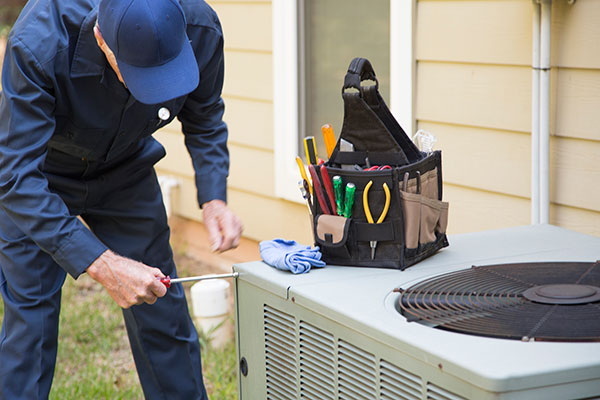
While homeowner care is important, there are crucial tasks that require licensed expertise, specialized tools, and safety training. A professional technician should handle:
- Measuring and adjusting refrigerant charge
- Diagnosing and repairing refrigerant leaks
- Deep cleaning of evaporator and condenser coils
- Electrical testing and component replacement
- Measuring airflow and static pressure in the duct system
- Verifying system performance against manufacturer specifications
Trying to perform these tasks without proper training can damage the equipment, void warranties, and create serious safety hazards.
Call an HVAC professional promptly if you notice any of the following:
- Air from vents is not as cold as it used to be
- The outdoor unit runs constantly, but the house still feels warm
- Ice forms on the refrigerant lines or indoor unit
- You hear new noises: grinding, buzzing, clicking, or rattling
- There are water leaks around the furnace or air handler
- Your energy bills spike unexpectedly without a change in usage
Addressing these symptoms early often means smaller repairs instead of major system failures.
When a condenser or evaporator fails, you may face a choice: repair the specific part or replace more of the system. Consider:
- System age - Most central AC systems last about 10-15 years with proper maintenance.
- Repair cost vs. replacement cost - A single major repair on an older unit may not be cost-effective.
- Efficiency - Newer systems often deliver higher efficiency and lower monthly operating costs.
- Refrigerant type - Older systems using phased-out refrigerants are more expensive to service.
A trusted HVAC professional can guide you through a side-by-side cost and benefit comparison, including payback timelines for upgrading to a higher-efficiency unit.
When replacing a condenser, it is critical to ensure the outdoor unit is properly matched with the indoor evaporator coil and blower. An unmatched system can:
- Reduce efficiency
- Shorten equipment life
- Void manufacturer warranties
Professional installation by a licensed contractor helps protect both performance and warranty coverage.
A structured annual or twice-yearly maintenance plan is one of the best investments you can make in your HVAC system. A typical professional tune-up includes:
- Inspecting and cleaning the condenser and evaporator coils
- Checking refrigerant levels and looking for signs of leaks
- Testing electrical connections and safety controls
- Measuring system performance, including temperature split and airflow
- Inspecting the blower assembly and motor
- Flushing the condensate drain line
- Verifying that the thermostat and controls operate correctly
Benefits you can expect:
- Fewer unexpected breakdowns in extreme weather
- Longer equipment life
- Lower energy bills
- More consistent comfort and better humidity control
As of 2026, HVAC systems are evolving rapidly with stricter energy standards. New condensers and evaporators often feature microchannel coils that improve heat transfer by up to 30% compared to traditional designs. These coils use less refrigerant and resist corrosion better, extending system life.
Smart evaporator technology now includes sensors that detect dirt buildup and alert homeowners via apps before efficiency drops. Pairing these with variable-speed compressors in condensers can cut energy use by 40-50% on modern systems.
Case study: A Florida homeowner upgraded a 12-year-old system to a matched high-efficiency pair. Annual cooling costs dropped from $1,200 to $720, with payback in under 4 years.
At Mega Services Heating & Cooling, we focus on safe, comfortable, and energy-efficient home environments. For your condenser and evaporator, our trained technicians can:
- Diagnose poor cooling performance and uneven temperatures
- Clean and service indoor and outdoor coils without damaging delicate fins
- Address refrigerant and airflow issues that are driving up your utility bills
- Repair or replace failing compressors, fan motors, and control components
- Help you plan a smart upgrade path if your system is near the end of its life
We believe in transparent recommendations, clear explanations, and "no surprise" pricing. You'll always know what we're doing, why we're doing it, and how it protects your home and budget.
Don't wait for a breakdown on the hottest day. Contact Mega Services Heating & Cooling right now for a professional inspection of your condenser and evaporator. We'll identify issues early, optimize your system's performance, and ensure your home stays cool, comfortable, and efficient all summer long.
Call us at 301-304-6666 or book online for priority scheduling and exclusive maintenance discounts. Your comfort starts with one call.
Contact Mega Services Heating & Cooling today!
Most manufacturers and professionals recommend at least one full professional tune-up per year. In areas with long, hot summers or heavy use, twice-yearly visits (spring and fall) are ideal.
Yes, as long as the power is turned off and you use a gentle stream from a garden hose. Avoid high-pressure spray or harsh cleaners that can bend fins or damage components.
Freezing often indicates restricted airflow (dirty filter, closed vents, blocked return) or refrigerant issues. Turn the system off, switch the fan to "On" to melt the ice, and call a professional to diagnose the cause.
Sometimes, but it's not always recommended. For best efficiency, reliability, and warranty protection, it's usually better to install a matched indoor and outdoor system designed to work together.
Consider replacement if your system is 10-15 years old, needs frequent or expensive repairs, uses outdated refrigerant, or still struggles to keep you comfortable after proper maintenance. A professional can help you compare long-term costs.
1. https://airprosusa.com/understanding-the-condenser-and-evaporator-of-your-central-ac/
2. https://www.megaservices.org/about-us.html


