
Views: 222 Author: Loretta Publish Time: 2026-02-21 Origin: Site


Content Menu
● Why Only UVC Is Used for Air Purification
● How UV-C Air Purifiers Work in Your HVAC System
● Main Benefits of UV-C in HVAC Systems
>> Cleaner Coils and Improved Efficiency
>> Lower Maintenance and Fewer Breakdowns
● Are UV-C Air Purifiers Safe in Homes?
● UV-C vs. Traditional Air Purifiers
● Pros and Cons of UV-C in HVAC
>> Pros
>> Cons
● Where UV-C Systems Are Commonly Used Today
● Practical Steps Before Installing a UV-C Air Purifier
● When Does a UV-C Air Purifier Make Sense for Your Home?
● Ready to Upgrade Your Indoor Air? Contact Mega Services Today!
● Frequently Asked Questions About UV-C Air Purifiers
>> 1. Will a UV-C air purifier remove dust and pet dander?
>> 2. Can UV-C lights in my HVAC system run all the time?
>> 3. How often do UV-C bulbs need to be replaced?
>> 4. Do UV-C air purifiers produce ozone?
>> 5. Are UV-C air purifiers enough on their own to clean my air?
If your family struggles with allergies, odors, or musty air, UV-C air purifiers installed in your HVAC system can be a powerful way to improve indoor air quality, reduce germs, and even help your system run more efficiently. This guide explains the difference between UVA, UVB, and UVC light, how UV-C air purification works, and when it makes sense to add it to your home's heating and cooling system.
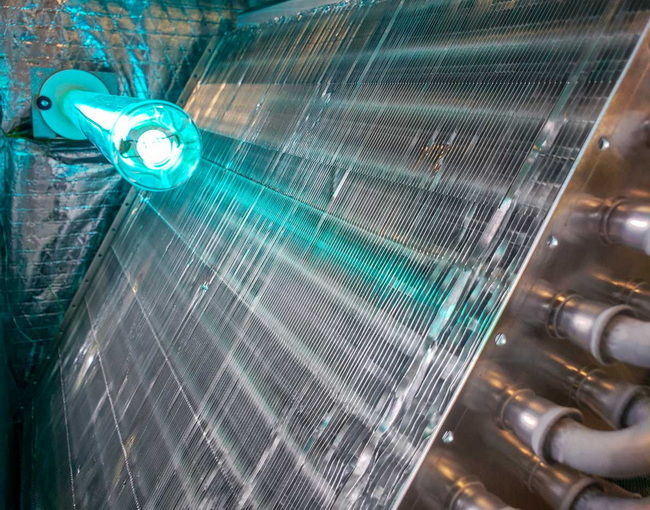
Ultraviolet (UV) light is invisible radiation from the sun and from specialized lamps, divided into three main bands: UVA, UVB, and UVC.
- UVA (400–315 nm): Long-wave UV, makes up most of the UV radiation that reaches the earth, and is mainly responsible for skin aging and tanning.
- UVB (315–280 nm): Medium-wave UV, more energetic, causes sunburn and plays a major role in skin cancer development.
- UVC (280–200 nm): Short-wave UV with the strongest germicidal effect, highly effective at inactivating bacteria, viruses, and mold.
Under natural conditions, the earth's ozone layer blocks UVC, so the UVC used in HVAC air purifiers comes from specially designed lamps rather than sunlight.
While all three UV bands are part of the same spectrum, UVC is the primary workhorse for air disinfection.
Key reasons UVC is preferred in HVAC systems:
- Most effective on microorganisms: UVC wavelengths between roughly 200–280 nm damage the DNA and RNA of microbes so they cannot reproduce.
- Limited penetration: UVC does not penetrate solid surfaces or the outer casing of well-designed equipment, so it can be contained inside HVAC components.
- Targeted application: UVC lamps are positioned where air and coil surfaces are exposed, maximizing their contact with germs while protecting occupants from direct exposure.
UVA and UVB are not typically used alone for air cleaning because they are less efficient germicides and are more associated with skin and eye damage from sun exposure.
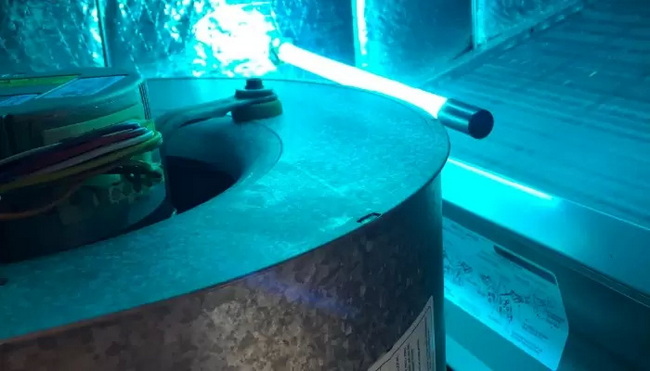
A UV-C air purifier is usually installed inside your HVAC system—near the evaporator coils, in the supply or return ductwork, or as part of a coil-cleaning setup.
When your system runs:
1. Air passes through the HVAC unit and ductwork.
2. Microorganisms (bacteria, viruses, mold spores) are exposed to intense UV-C light from the lamp.
3. The UV-C energy damages their genetic material so they can no longer function or multiply.
4. Over time, coils and drain pans remain cleaner, reducing bio-film buildup that can restrict airflow and harbor mold.
In many homes, UV-C is used along with filtration—such as high-MERV or HEPA filters—to capture particles and kill microorganisms for a more complete indoor air quality solution.
Homeowners choose UV-C air purifiers for a mix of health, comfort, and efficiency benefits.
By actively reducing airborne microorganisms, UV-C can improve overall indoor air quality.
Typical benefits include:
- Lower levels of bacteria, viruses, and mold spores in recirculated air.
- Fewer triggers for allergies and asthma, especially in homes with sensitive family members.
- Less musty or “dirty sock” smell from mold and bio-film on coils and in drain pans.
For families with respiratory issues, this can translate into more comfortable breathing and fewer flare-ups.
Microbial buildup on cooling coils acts like a slimy insulating layer that blocks heat transfer and restricts airflow.
UV-C lamps:
- Help keep coils and pans clear of bio-film and mold growth.
- Maintain more consistent airflow and heat-exchange efficiency.
- Can support energy savings in the range often cited as 10–35% when coils stay clean and the system doesn't have to work as hard.
This means your system can cool or heat more effectively with less energy and less strain, helping extend equipment life.
Because coils and internal surfaces stay cleaner:
- There's less need for aggressive chemical coil cleanings.
- UV lamps are usually replaced about once a year during routine HVAC service, adding minimal extra maintenance.
- Reduced microbial buildup helps minimize odors, drain clogs, and moisture-related issues that can lead to repairs.
In many cases, homeowners pair UV-C with annual HVAC tune-ups to keep performance and indoor air quality consistent.
Properly designed and installed UV-C air purifiers are considered safe for residential use.
Here's why:
- Contained exposure: UV-C lamps sit inside the air handler or ductwork, not in your living spaces, so you are not directly exposed to the light.
- Non-toxic operation: The lamps do not release chemicals into the air; they simply emit light that inactivates microbes.
- Safety controls: Many systems are wired to operate only when the HVAC is running and are enclosed behind panels that block UV-C.
Important safety notes:
- Direct exposure to UV-C can harm eyes and skin, so only trained professionals should work around energized lamps and should follow manufacturer safety instructions.
- Some older or low-quality UV units may generate small amounts of ozone; modern, HVAC-specific UV-C products are designed to be low or no ozone and should be labeled accordingly.
When installed and maintained correctly, UV-C systems do not expose home occupants to UV light and do not rely on ozone for their effect.
Many homeowners wonder whether to invest in UV lights, filter-based air purifiers, or both.
Feature | UV-C HVAC System | Filter-Based Air Purifier (e.g., HEPA) |
Main function | Inactivates germs (bacteria, viruses, mold) with UV-C light. | Captures particles like dust, pollen, pet dander. |
Particle removal | Does not remove particles; works on microbes only. | Strong at particle removal; does not kill all microbes. |
Installation location | Inside HVAC unit or ductwork. | Portable room units or added to return duct. |
Energy & coil cleanliness | Keeps coils clean, can improve airflow and efficiency. | Little direct effect on coil cleanliness. |
Maintenance | Replace UV bulb about once per year. | Replace filters regularly, sometimes every 1-3 months. |
Ideal use | Whole-home microbial control and coil protection. | Targeted room filtration or added particle control. |
For many homes, the best results come from combining high-quality filtration with UV-C technology in the HVAC system.
To help you decide if UV-C is right for your home, consider these advantages and limitations.
- Kills or inactivates a high percentage of mold, bacteria, and viruses in the treated air stream.
- Keeps coils and condensate pans cleaner, helping maintain system performance and reduce odors.
- Can contribute to noticeable improvements in comfort for people with allergies and asthma.
- UV bulbs typically require only annual replacement, adding minimal maintenance.
- Does not remove dust, pet dander, or other non-living particles; a filter is still required.
- Requires professional installation and adherence to safety guidelines to avoid direct UV exposure.
- Certain low-quality systems may produce ozone; homeowners must choose verified ozone-free models.
- Initial investment for whole-home systems is higher than portable purifiers, though maintenance costs are often lower over time.
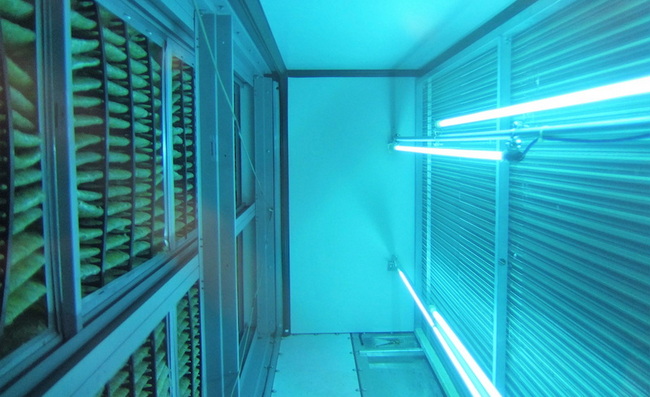
Beyond homes, UV-C technology is widely used in commercial and institutional buildings as part of infection-control and energy-efficiency strategies.
Examples include:
- Hospitals and clinics for added disinfection in air handlers and critical spaces.
- Schools, offices, and public buildings to improve air quality for large numbers of occupants.
- Industrial and commercial facilities where clean coils and efficient HVAC operation are a priority.
These real-world applications show that HVAC-integrated UV-C is a mature, widely adopted technology for both health and operational benefits.
If you are considering UV-C for your home, use this simple step-by-step checklist to make a smart decision.
1. Clarify your goals
Decide whether your priority is allergy relief, odor control, preventing mold on coils, or all of the above.
2. Evaluate your existing system
Have an HVAC professional inspect the coil, duct layout, and existing filtration to determine the best lamp placement and whether upgrades are needed.
3. Choose a quality, ozone-free product
Look for UV-C systems that are explicitly rated for HVAC use, list their wavelength range in the UV-C band, and specify low or no ozone production.
4. Plan for maintenance
Confirm how often bulbs should be replaced (often annually) and coordinate this with your regular HVAC service schedule.
5. Insist on professional installation
UV-C systems must be installed so that light is contained, electrical connections are safe, and manufacturer safety guidelines are followed.
By following these steps, you can maximize both safety and performance when adding UV-C purification to your HVAC system.
UV-C air purification is especially worth considering if:
- Your home has persistent mold, mildew, or musty odors tied to HVAC operation.
- Family members have chronic allergies, asthma, or frequent respiratory infections.
- You've had issues with dirty coils, drain pan slime, or repeated HVAC cleanings.
- You want to protect a new HVAC investment and help maintain performance and efficiency over time.
For many homeowners, the combination of better air quality, cleaner equipment, and potential energy savings makes UV-C a strong addition to their heating and cooling strategy.
Tired of worrying about germs, mold, or poor air quality in your home? Mega Services Heating & Cooling specializes in professional UV-C air purifier installations tailored to your HVAC system. Our certified technicians will assess your setup, recommend the best ozone-free UV-C solution, and ensure safe, efficient installation. Schedule your free in-home consultation today—call us now at 301-304-6666 or fill out our online form for cleaner, healthier air and a more efficient system that protects your family year-round!
Contact Mega Services Heating & Cooling today!
No. UV-C systems kill or inactivate microorganisms but do not remove solid particles such as dust or pet hair, so you still need an effective HVAC filter.
Many UV-C systems are designed to run continuously or whenever the HVAC operates, but the exact setup depends on the product and wiring; your installer will configure the safest and most effective schedule.
Most residential UV-C lamps are replaced about once a year or every two years, usually during a routine HVAC maintenance visit, because their output gradually decreases over time.
High-quality, HVAC-specific UV-C systems are engineered to produce little to no ozone, and you should choose models explicitly labeled as ozone-free and compliant with current safety guidelines.
UV-C is powerful against microbes but works best when combined with proper filtration, ventilation, and humidity control as part of a complete indoor air quality strategy.
1. https://harmonmechanical.com/air-purifiers-vs-uv-lights-which-is-better/
2. https://www.uvresources.com/benefits/
3. https://www.robbinsheating.com/blog/indoor-air-quality-service/are-uv-air-purifiers-dangerous-to-have-in-a-home/
4. https://www.airdesigninc.com/blog/whats-lurking-in-your-hvac-system-the-power-of-uv-light-purification/
5. https://insights.regencysupply.com/germicidal-uv-hvac-systems
6. https://ellingtonac.com/blog/understanding-the-difference-between-uv-lamps-and-uv-air-purifiers/
7. https://aceshvacllc.com/pros-and-cons-of-uv-light-in-hvac-complete-guide/
8. https://glhn.com/wp-content/uploads/2020/10/All-About-Safety-UV-C-Hazards-and-Risks.pdf
9. https://www.lincolntech.edu/news/skilled-trades/hvac/separating-fact-from-myth-on-hvac-uv-light-benefits


