
Views: 222 Author: Mega Services Publish Time: 2026-05-20 Origin: Site


An AC condenser unit is the outdoor "engine" of your cooling system, responsible for pushing heat out of your home so your family stays comfortable, safe, and energy efficient. From a technician's perspective, understanding what the condenser does—and how to care for it—can easily save you hundreds or even thousands of dollars over the life of your HVAC system. [carrier]
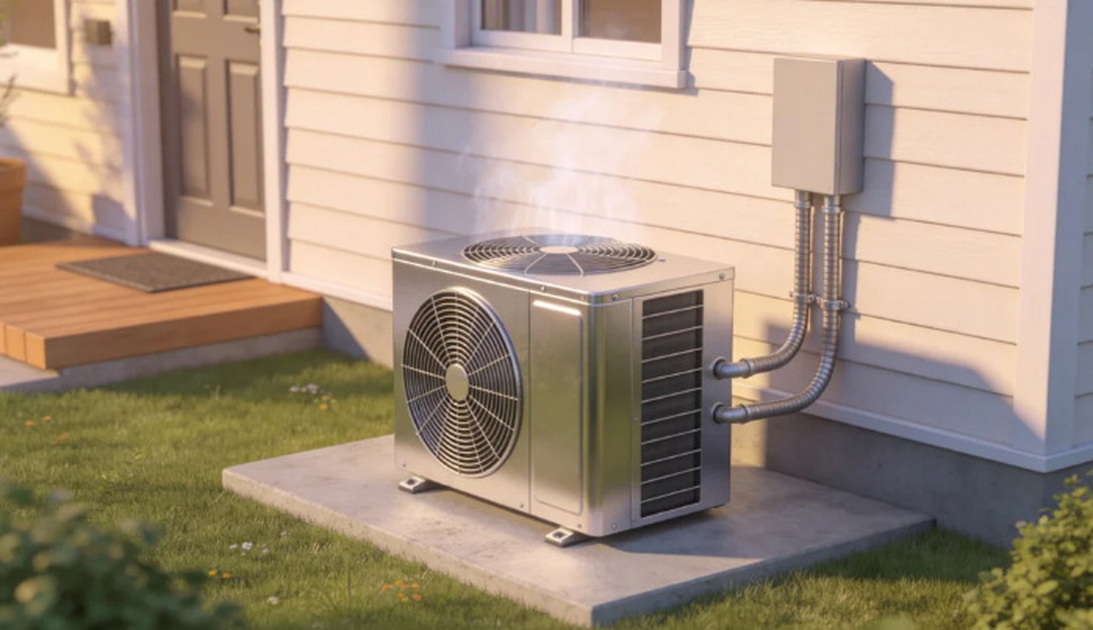
In everyday terms, your AC condenser unit is the outdoor part of your air conditioner or heat pump that releases indoor heat into the outside air. It usually sits on a concrete pad or wall bracket and contains the compressor, condenser coil, fan, and electrical components. [bryant]
From my experience as an HVAC professional, I always describe the condenser as the part of the system that makes "cooling" possible: without it, your refrigerant could not get rid of the heat it picks up inside your home, and your system would just push around warm air. [carrier]
At a high level, your cooling system works by moving heat, not creating "cold." The condenser unit is where that heat exits your home. [bryant]
Step‑by‑step, here's what happens in the cooling cycle: [boxt.co]
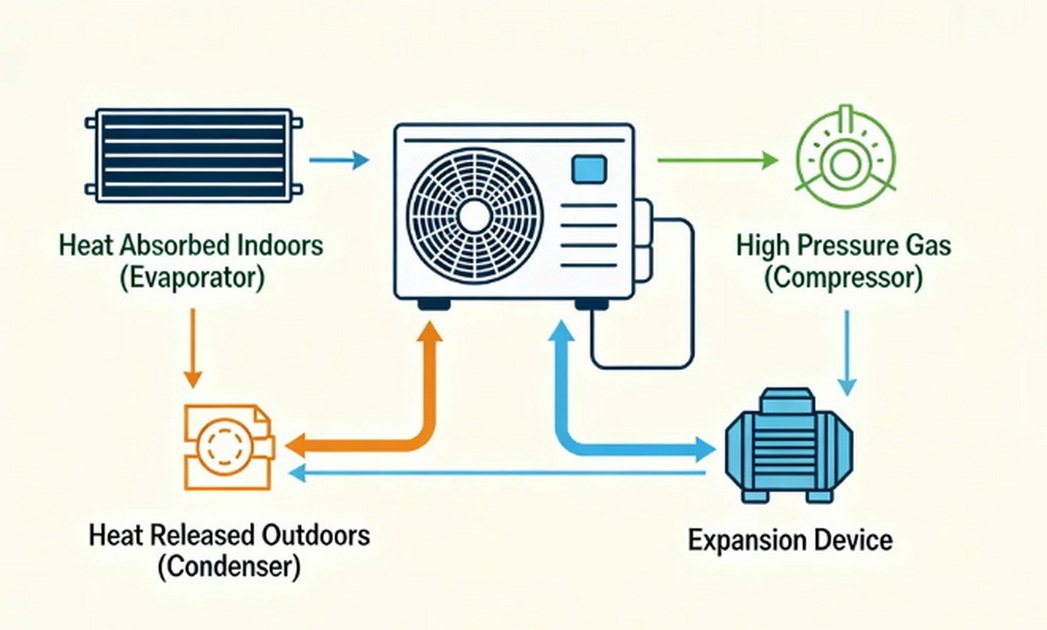
1. Indoor heat is absorbed
- Warm indoor air passes over the evaporator coil, and the refrigerant inside absorbs that heat and evaporates into a hot gas. [carrier]
2. Hot refrigerant travels outside
- The hot refrigerant gas flows through copper lines to the outdoor condenser unit. [bryant]
3. The compressor does the heavy lifting
- Inside the condenser, the compressor squeezes the refrigerant molecules, raising their temperature and pressure so heat can be released more efficiently. [onehourheatandair]
- This is like pushing steam molecules together until they lose energy and can eventually condense into liquid. [onehourheatandair]
4. The condenser coil and fan expel heat
- The hot, high‑pressure refrigerant flows through the condenser coil, a series of tubing surrounded by thin metal fins. [boxt.co]
- The outdoor fan blows air across the coil, carrying that heat away into the outside air—this is why you feel hot air blowing out the top or sides when the unit is running. [carrier]
5. Refrigerant turns back into a liquid
- As heat leaves the refrigerant, it condenses from a gas back into a high‑pressure liquid, ready to travel back indoors and absorb more heat. [bryant]
This cycle repeats over and over, quietly running in the background to keep your home at the temperature you set on the thermostat. [carrier]
Understanding the main parts of your condenser unit helps you speak the same language as your HVAC technician.
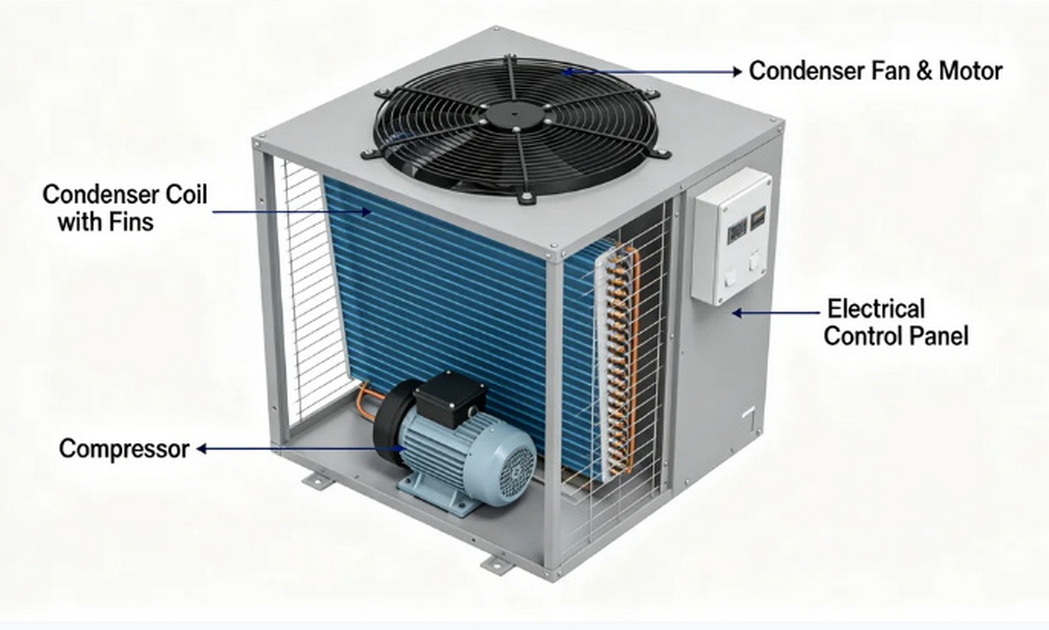
- Compressor – Often called "the heart of the system," it pressurizes the refrigerant gas so it can efficiently release heat in the coil. [onehourheatandair]
- Condenser coil – A network of copper or aluminum tubing with fins that provides a large surface area for heat transfer to the outdoor air. [lennox]
- Condenser fan and motor – Pulls cooler outside air across the coil and pushes hot air away from the unit to maintain steady airflow. [boxt.co]
- Electrical and safety controls – Contactors, capacitors, relays, and safety switches manage power delivery and protect the system from electrical faults. [bryant]
From an installer's perspective, the way these parts are sized, matched, and installed determines how reliable, quiet, and efficient your system will be over time. [carrier]
Most homes with central air use air‑cooled condenser units, but in some commercial or industrial settings you may see water‑cooled units. [boxt.co]
- How they work: Outdoor air is pulled across the condenser coil by a fan, carrying heat away from the refrigerant. [boxt.co]
- Where they're used: Almost all residential split AC and heat pump systems. [bryant]
- Pros: Simpler installation, lower upfront cost, easy to service, no dedicated water supply needed. [boxt.co]
- How they work: Water flows through a heat exchanger to absorb heat from the refrigerant, then is cooled in a tower or chiller loop. [onehourheatandair]
- Where they're used: Larger buildings, industrial facilities, or high‑rise applications where air‑cooled units would be less efficient. [onehourheatandair]
- Pros: Can deliver higher efficiency in certain designs, especially for large capacity systems. [onehourheatandair]
For a typical home in our region, you'll almost always have — or want — an air‑cooled condenser unit matched to your indoor equipment and home size.
As an HVAC contractor, this is what I stress most to homeowners: a healthy condenser unit directly impacts your comfort, safety, and utility bills. [housecallpro]
Comfort & performance
- A clean, properly charged condenser cools your home faster and holds temperature more evenly, even on the hottest days. [carrier]
- A struggling condenser often shows up as long run times, warm rooms, or "never quite cool enough" conditions. [bryant]
Energy efficiency
- When coils are dirty or the fan is struggling, the condenser can't release heat efficiently, forcing the system to run longer and use more electricity. [boxt.co]
- Modern high‑efficiency condensers, when correctly sized and installed, can significantly reduce cooling costs over time. [housecallpro]
System life and safety
- Overheating at the condenser can prematurely wear out the compressor, one of the most expensive parts to replace. [carrier]
- Well‑maintained systems are also less likely to trip breakers, short out electrical components, or fail suddenly in extreme heat. [bryant]
In our day‑to‑day service work, we see a handful of condenser issues again and again. Spotting these early can prevent breakdowns:
- Noisy or rattling unit – Often caused by a failing fan motor, loose panels, or worn compressor mounts. Left unchecked, noise can be an early warning for a larger mechanical failure. [carrier]
- Warm air from vents indoors – Could indicate dirty coils, low refrigerant, or compressor problems that prevent proper heat rejection outside. [bryant]
- Unit not turning on – Frequently linked to electrical issues such as a failed capacitor, contactor, or tripped breaker at the condenser. [carrier]
- Ice on the lines or unit – A sign of restricted airflow, low refrigerant charge, or other system imbalances that place extra strain on the condenser. [bryant]
Because repair demand has been rising across the HVAC industry—repair revenue share for contractors in North America increased significantly from 2021 to 2025—fixing small condenser issues early often costs far less than waiting for a complete breakdown. [housecallpro]
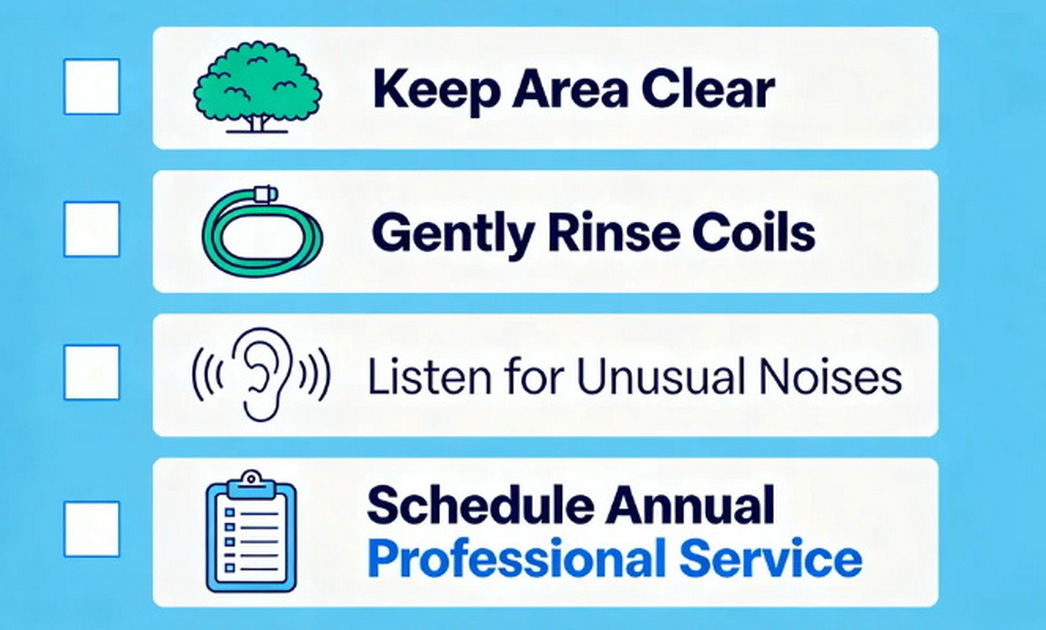
You don't need to be a technician to help your condenser unit run better. There are safe, homeowner‑friendly steps you can take between professional visits: [boxt.co]
1. Keep the area around the unit clear
- Maintain at least 2–3 feet of open space around the condenser so air can flow freely. [boxt.co]
- Trim shrubs and remove leaves, grass clippings, and debris from the sides and top of the unit. [boxt.co]
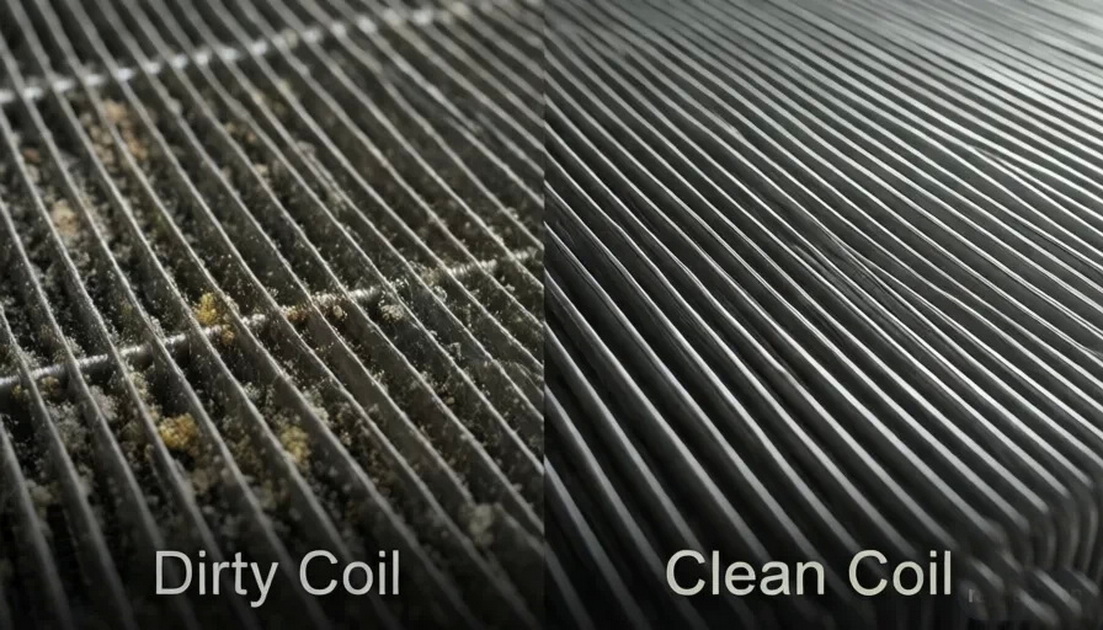
2. Gently rinse the coil
- With power off at the disconnect, you can lightly hose off dirt and pollen from the coil fins, spraying from the top down or inside out. [carrier]
- Avoid high‑pressure sprayers, which can damage the delicate metal fins. [bryant]
3. Check for visible damage or obstruction
- Look for bent fins, nests, or objects pulled against the unit and call a professional if you see anything unusual. [boxt.co]
4. Watch and listen when it runs
- Pay attention to unusual noises, frequent cycling, or the fan not spinning, and schedule service promptly if something seems off. [carrier]
Anything involving refrigerant, wiring, or internal components should always be left to a licensed technician. This protects your safety and keeps your system warranty intact. [bryant]
From an industry standpoint, annual professional maintenance is one of the best investments you can make in your condenser and overall HVAC system. During a tune‑up, a trained technician typically: [portlandseogrowth]
- Inspects the compressor and fan motor, checking amperage, starting performance, and bearings. [carrier]
- Tests electrical components such as capacitors, contactors, and wiring connections for wear or overheating. [bryant]
- Measures refrigerant pressures and temperatures to verify proper charge and system performance. [carrier]
- Cleans condenser coils more thoroughly than a simple rinse when needed, improving heat transfer and lowering operating costs. [boxt.co]
- Checks overall system operation, including thermostat communication and indoor coil performance, to catch issues beyond the outdoor unit. [bryant]
Many of the most expensive failures we see—especially compressor replacements—could have been prevented or delayed with regular maintenance and early detection. [portlandseogrowth]
The HVAC industry is rapidly evolving, and condenser units are becoming smarter, more efficient, and more environmentally conscious. [cooperandhunter]
- Higher efficiency ratings – Many new condensers feature advanced compressor technology and improved coil designs to meet tougher energy standards and lower utility costs. [cooperandhunter]
- Repair‑driven market – Recent data shows that HVAC repair revenue has grown significantly from 2022 to 2025, as homeowners aim to extend the life of existing systems rather than immediately replace them. [housecallpro]
- Healthy and connected homes – Industry trends through 2026 highlight a growing focus on indoor air quality, smart controls, and integration with home automation, all of which rely on a reliable condenser as the foundation of the cooling system. [cooperandhunter]
When you upgrade, it's worth discussing with your contractor which condenser options, refrigerants, and efficiencies make the most sense for your home, climate, and budget. [cooperandhunter]
Homeowners often ask whether it's time to repair or replace their outdoor unit. While every situation is unique, professionals typically consider:
- Age of the system – Many central AC condensers last 10–15 years or more with good maintenance, but efficiency and reliability often drop in the later years. [carrier]
- Frequency and cost of repairs – If you're facing repeated service calls or a repair approaching a significant percentage of replacement cost, a new unit may make more sense. [housecallpro]
- Energy bills – Older condensers often have lower efficiency ratings than newer models, so replacement can pay off through lower monthly bills. [cooperandhunter]
- Refrigerant type – Systems that still use phased‑out refrigerants can be more expensive to service, and replacement may be the more future‑proof option. [bryant]
An experienced technician will usually walk you through side‑by‑side options, explaining the expected lifespan, efficiency, and total cost of ownership for repair vs. replacement.
To make the most of your service visit, you can quickly run through this simple checklist:
1. Verify power and thermostat settings
- Confirm the thermostat is set to "Cool" and the temperature is below current room temperature.
- Check that the breaker for your outdoor unit is not tripped.
2. Look for obvious obstructions
- Make sure the unit isn't blocked by covers, furniture, or dense landscaping.
3. Listen and observe
- Does the indoor blower run but the outdoor unit stay silent?
- Does the condenser start and stop frequently, or run continuously without adequately cooling the home?
4. Note recent changes
- Higher‑than‑normal energy bills, unusual noises, or new hot spots in the home are all useful clues to share with your technician.
Providing this information helps your HVAC professional diagnose issues faster and more accurately, often saving you both time and money.
Because your condenser unit is central to comfort, safety, and efficiency, it deserves the same attention you give to any major part of your home. Regular maintenance, timely repairs, and expert installation can mean the difference between years of reliable operation and repeated midsummer breakdowns. [housecallpro]
If you notice unusual noises, rising energy bills, weak cooling, or a condenser that won't start, schedule a professional inspection as soon as possible. A trusted local HVAC company can evaluate your system, perform needed repairs, and help you decide whether an upgrade could save you money over the long term. [portlandseogrowth]
No. The compressor is a component inside the condenser unit that pressurizes refrigerant, while the condenser unit includes the compressor, coil, fan, and controls as a complete outdoor assembly. [reddit]
With proper sizing, installation, and annual maintenance, many residential condensers last 10–15 years or more, although efficiency and reliability can decline in the later years. [carrier]
That's normal. The condenser is pushing heat from inside your home to the outside air, so the air blowing out of the top or sides of the unit will feel noticeably warmer than the surrounding outdoor air. [bryant]
In many cases, yes—as long as the power is off and you use gentle water pressure. Light rinsing helps remove dirt and pollen so the unit can release heat more effectively, but deeper cleaning and internal servicing should be left to a professional. [boxt.co]
Most manufacturers and industry experts recommend professional HVAC maintenance at least once a year, ideally before peak cooling season, to check refrigerant levels, electrical components, and overall system performance. [portlandseogrowth]
1. Carrier Residential – "What is an AC Condenser Unit?"
<https://www.carrier.com/residential/en/us/homeowner-resources/hvac-glossary/ac-condenser-unit/> [carrier]
2. Bryant – "What Is an AC Condenser? Function, Cost & Maintenance Guide"
<https://www.bryant.com/en/us/products/air-conditioners/ac-condenser/> [bryant]
3. Lennox – "What is a Condenser?"
<https://www.lennox.com/residential/buyers-guide/guide-to-hvac/glossary/condenser-coil> [lennox]
4. BOXT – "What is an Air Conditioning Condenser Unit?"
<https://www.boxt.co.uk/air-conditioning/guides/what-is-an-air-conditioning-condenser-unit> [boxt.co]
5. One Hour Heating & Air Conditioning, Clearwater – "What Is a Condenser Unit?"
<https://www.onehourheatandair.com/clearwater/about-us/blog/2015/october/what-is-a-condenser-unit/> [onehourheatandair]
6. Housecall Pro – "2026 HVAC Industry Trends: Repairs Are Driving More Revenue"
<https://www.housecallpro.com/resources/hvac-industry-trends/> [housecallpro]
7. Cooper & Hunter – "Global HVAC 2026 Trends"
<https://cooperandhunter.com/en/news/global-hvac-2026-trends/> [cooperandhunter]
8. Portland SEO Growth – "Heat Up Your HVAC SEO Strategy With This Playbook"
<https://www.portlandseogrowth.com/seo-for/hvac/> [portlandseogrowth]
9. Reddit r/hvacadvice – Discussion on "condenser unit" vs "compressor" terminology
<https://www.reddit.com/r/hvacadvice/comments/12zh3xl/is_this_thing_outside_my_house_properly_called_a/> [reddit]


