
Views: 222 Author: Mega Services Publish Time: 2026-07-30 Origin: Site


Content Menu
● Best Temperature for Air Conditioning
>> Why 78°F is a common recommendation
>> Why lower is not always better
● How to Choose the Right Setting
>> Your home's conditions matter
>> Comfort and humidity work together
● Suggested Thermostat Settings
>> At night
>> Seal leaks and improve airflow
● AC Maintenance That Supports Comfort
>> Change the air filter regularly
>> Keep the outdoor unit clear
>> Signs the system may need attention
>> When cooling feels inconsistent
● Best Temperature for Different Home Situations
>> Families with young children
>> Homes in very humid climates
● Why the Right Temperature Matters
● FAQ
>> 1. What is the best temperature for air conditioning in summer?
>> 2. Is 72°F too cold for AC?
>> 3. Should I turn the AC off when I leave home?
>> 4. Why does my home still feel hot at 78°F?
>> 5. How often should I change my AC filter?
>> 6. Can fans replace air conditioning?
Choosing the best temperature for air conditioning is one of the simplest ways to improve comfort at home. It also affects monthly utility bills, indoor humidity, and how hard the HVAC system has to work.
Many homeowners wonder whether 72°F, 75°F, or 78°F is the best choice. The truth is that there is no single perfect number for every home. A good thermostat setting should balance comfort, efficiency, and healthy indoor conditions.
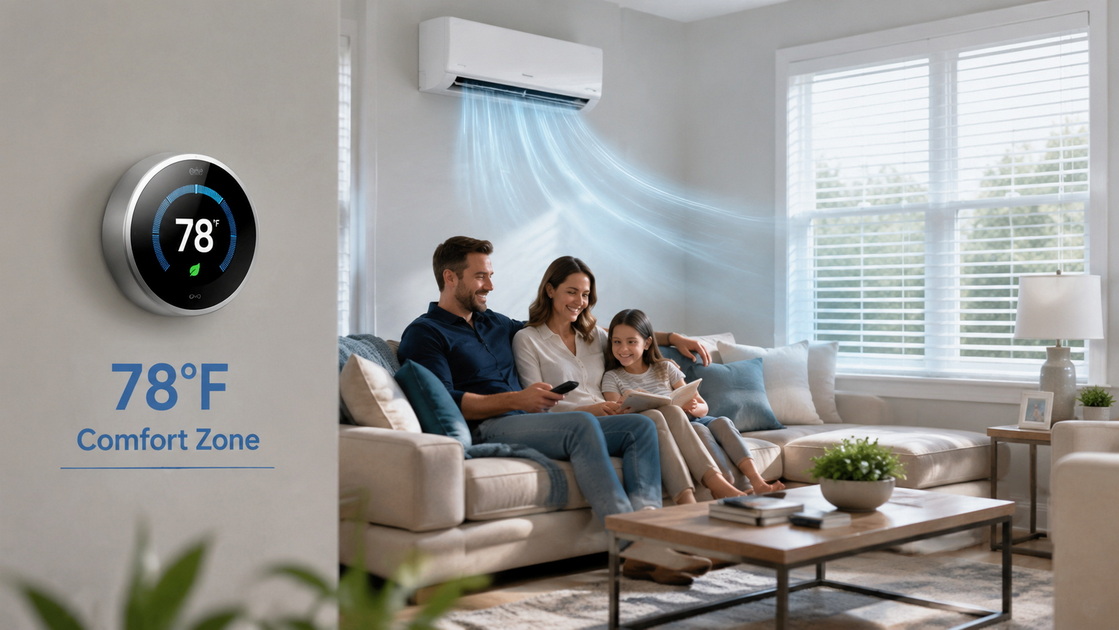
For many households, 78°F is a practical summer thermostat setting when the home is occupied. It offers a useful balance between comfort and energy use.
This temperature is often recommended because it allows the system to cool the home without overworking unnecessarily. It also helps support better humidity control, which matters just as much as temperature when it comes to feeling comfortable.
Setting the thermostat very low does not cool a home faster. Instead, it usually causes the system to run longer.
That extra runtime can increase energy use and wear on the equipment. In some cases, setting the temperature too low can also contribute to performance issues, including reduced airflow or even freezing problems in the cooling coil.
The right thermostat setting depends on more than the number on the dial. Factors like outdoor heat, insulation, humidity, sunlight exposure, and air circulation all affect how a home feels.
A well-insulated house may feel comfortable at 78°F, while a home with poor insulation or uneven airflow may feel warmer at the same setting. That is why many families need to adjust the thermostat based on their own living conditions.
A room can feel sticky and uncomfortable even when the thermostat says the temperature is moderate. That usually means humidity is too high.
Air conditioners do more than lower temperature. They also remove moisture from the air. If the system is not handling humidity properly, the home may still feel warm even when the thermostat is set correctly.
For most homes, 78°F is a good starting point during the summer when people are awake and active. It often provides a comfortable indoor environment without pushing the system too hard.
If household members prefer it slightly cooler, small adjustments can help. The key is to avoid setting the temperature much lower than necessary.
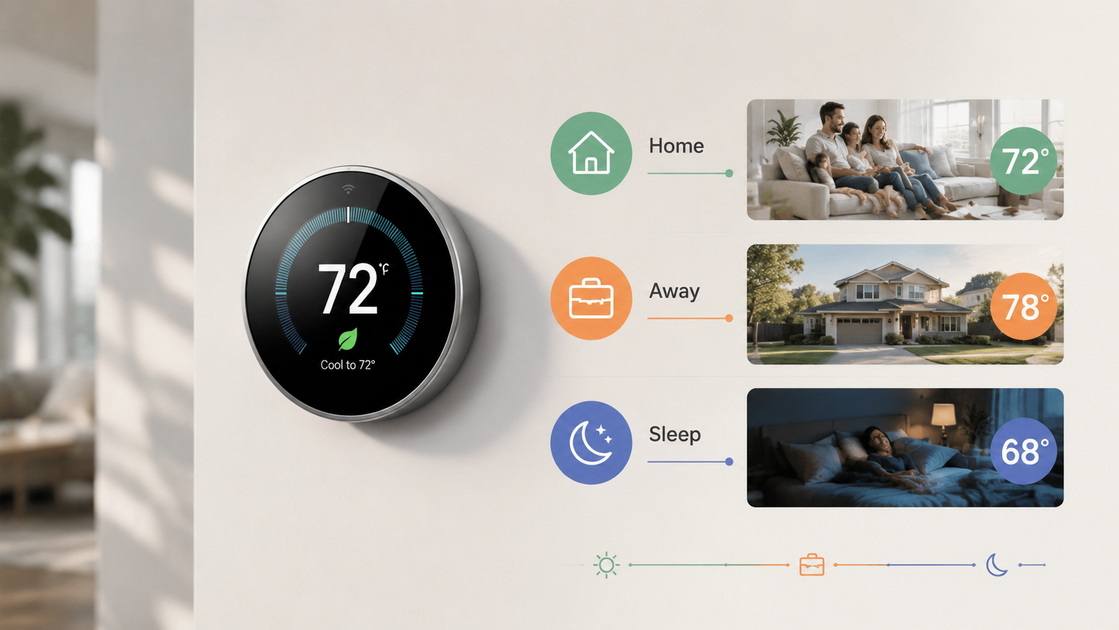
If no one is home for several hours, it makes sense to raise the temperature a few degrees. This reduces energy waste while still keeping the home reasonably comfortable for your return.
A programmable or smart thermostat is especially useful here. It can automatically adjust the temperature based on your schedule, so you do not have to remember to change it manually.
Many people sleep better in a slightly cooler room. A modest nighttime adjustment may improve sleep comfort without creating unnecessary strain on the system.
The best nighttime setting depends on personal preference, bedding, and local weather. A small change is usually enough.
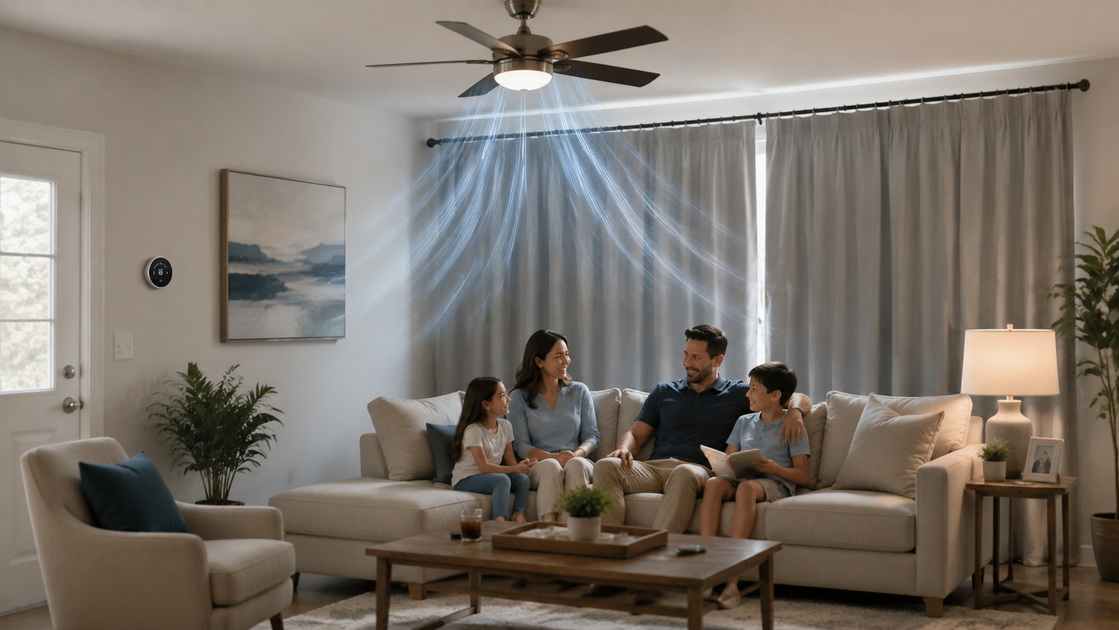
Fans can help the home feel cooler by moving air across the skin. They do not actually lower the room temperature, but they can improve comfort.
Ceiling fans are especially useful when paired with an efficient thermostat setting. They allow you to feel cooler without turning the air conditioner much lower.
Simple habits can make a big difference. Close blinds or curtains during the hottest part of the day, especially on windows that receive direct sunlight.
Limit heat-producing activities during peak afternoon hours when possible. Ovens, dryers, and other appliances can add extra heat to the home and make the AC work harder.
Cool air can escape through gaps around doors, windows, and ducts. When that happens, the system has to work harder to maintain the desired temperature.
Good insulation, clean vents, and sealed leaks all help the air conditioner perform more efficiently. These improvements also make thermostat settings more effective.
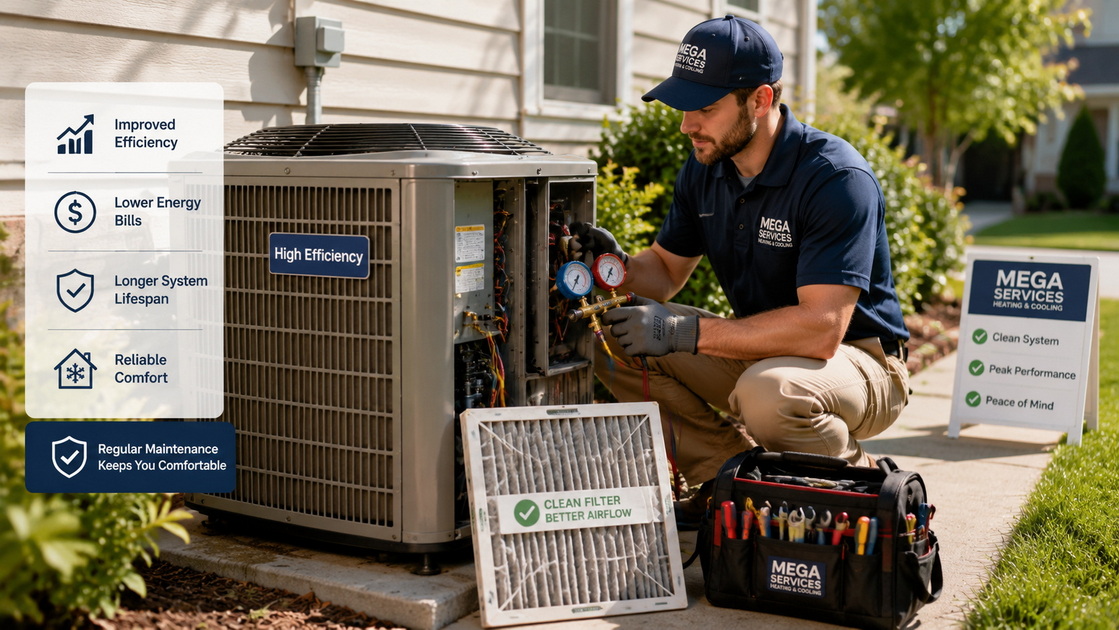
A dirty filter can restrict airflow and reduce cooling performance. It may also put extra strain on the system.
Checking the filter every month is a smart habit. In many homes, replacement every one to three months is a helpful rule of thumb, depending on dust, pets, and usage.
The outdoor condenser needs space to release heat. Leaves, dirt, and debris around the unit can interfere with performance.
Make sure the area around the outdoor system stays open and clean. If the coil or unit looks dirty, professional service may be needed to restore proper airflow and efficiency.
Regular maintenance helps the HVAC system run more reliably. It allows technicians to catch small issues before they become expensive repairs.
A seasonal inspection can uncover refrigerant concerns, airflow restrictions, electrical problems, and worn components. That kind of care often helps keep the home cooler while extending system life.
If your home still feels too warm at a normal thermostat setting, the problem may not be the temperature itself. It could be a mechanical or airflow issue.
Watch for these warning signs:
- Uneven temperatures from room to room.
- Weak airflow from vents.
- Long cooling cycles with little improvement.
- Higher energy bills without a clear reason.
- Indoor air that feels damp or sticky.
If the AC is running but the house still feels uncomfortable, the system may need inspection. Dirty coils, low refrigerant, duct leakage, or worn parts can all affect performance.
Addressing these issues early can help restore comfort and prevent more serious damage later on.
Homes with children often need stable indoor temperatures and consistent humidity control. A setting around 78°F may work well, but the best choice depends on the age of the children and the home's comfort level.
Older adults can be more sensitive to heat. In those homes, comfort and health may require a slightly cooler setting, especially during extreme heat.
In humid regions, temperature alone is not enough. The AC must also remove moisture effectively.
If a home feels sticky even at a reasonable temperature, the system may need maintenance or humidity control adjustments.
The best temperature for air conditioning is not only about saving money. It also supports a more comfortable and healthier home environment.
When the thermostat setting is balanced with good maintenance, proper airflow, and practical daily habits, the system can do its job more effectively. That means better comfort, less wasted energy, and fewer unnecessary repairs over time.
For most homes, 78°F is a strong starting point for summer cooling. It offers a practical balance of comfort, efficiency, and humidity control.
Still, the right temperature depends on your home, your habits, and the condition of your HVAC system. With the right settings and regular maintenance, it is possible to stay cool without overworking the equipment.
For most homes, 78°F is a good starting point when people are home and awake.
It is not always too cold, but it often increases energy use and can make the system work harder than necessary.
For short trips away, raising the thermostat is usually better than turning the system off completely.
Humidity, poor airflow, dirty filters, or maintenance issues may be affecting comfort.
A common rule is every one to three months, depending on the home environment.
No. Fans can improve comfort, but they do not lower the actual room temperature.
- One Hour Heating & Air Conditioning, "What Is the Best Temperature for Air Conditioning?"
https://www.onehourheatandair.com/expert-tips/air-conditioners/what-is-the-best-temperature-for-air-conditionin/
- Reliant, "The best AC temperature for summer energy savings"
https://www.reliant.com/en/blog/energy-efficiency-and-education/best-ac-temperature-for-summer
- Climachill, "Tips for Energy Efficient Air Conditioning"
https://www.climachill.co.uk/blog/tips-for-energy-efficient-air-conditioning/
- U.S. Department of Energy and ENERGY STAR summer thermostat guidance
https://www.energy.gov/energysaver/thermostats
- CDC heat safety guidance
https://www.cdc.gov/heat-health/about/index.html


