
Views: 222 Author: Loretta Publish Time: 2026-02-26 Origin: Site


Content Menu
● Why the Outdoor AC Unit Matters
● Core Components of the Condensing Unit
● How the Condensing Unit Works in the AC Refrigeration Cycle
● Common Names for the Outside Part of an AC
● 2026 Energy Efficiency Stats and Trends
● Maintenance Tips for Your Outdoor Condenser
● Real-World Case Studies from Mega Services
● Troubleshooting Common Condensing Unit Problems
● Installation Best Practices for the Outside Part of AC
● Expert Insights on Future-Proofing Your Condenser
● Signs Your Condensing Unit Needs Replacement
● Why Choose Mega Services for Your AC Needs?
● Take Action Today - Contact Mega Services Now!
>> 1. What is the outside part of an AC called?
>> 2. How often should I service my condensing unit?
>> 3. Can I cover the outdoor AC unit in winter?
>> 4. What if my outdoor condenser leaks water?
>> 5. Does shade improve condensing unit performance?
The outside part of an AC unit, known as the condensing unit or outdoor condenser, is the powerhouse that releases heat from your home. Understanding this critical component helps homeowners maintain efficient cooling and avoid costly repairs. At Mega Services Heating & Cooling, we see firsthand how proper care of this unit ensures safety, comfort, and energy savings for families across the region.
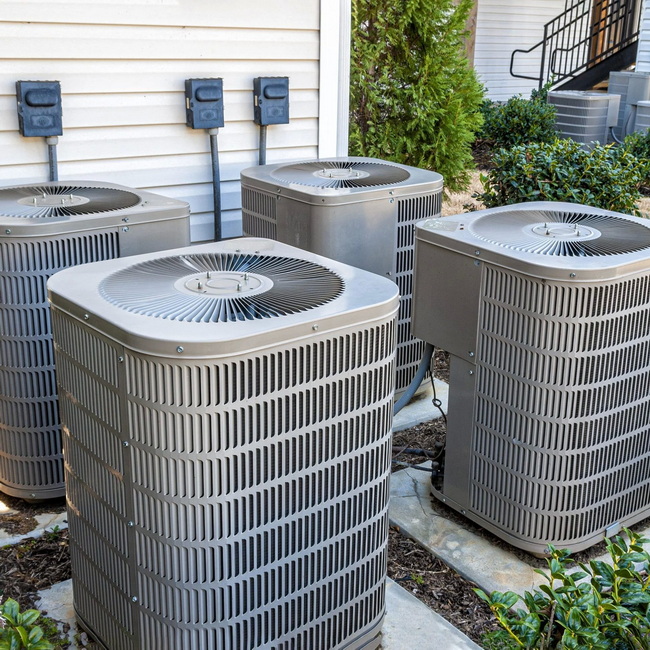
Mega Services Heating & Cooling specializes in AC installation, repair, and maintenance to ensure your home stays safe, comfortable, and energy-efficient. The condensing unit works tirelessly in harsh outdoor conditions, expelling hot air so your indoor evaporator can cool effectively. It faces extreme weather, dust, debris, and UV exposure daily, making it vulnerable to wear if neglected.
Neglecting the outside part of an AC leads to higher energy bills, reduced lifespan, and sudden breakdowns during peak summer heat. Our experts handle hundreds of calls yearly from homeowners facing these issues. Proper attention to this unit can cut your cooling costs by up to 20% and extend system life by a decade. Investing time in understanding and maintaining it pays dividends in reliability and comfort.
The outdoor AC unit isn't just a box - it's a sophisticated system packed with precision-engineered parts. Each component plays a vital role in the heat rejection process. Key parts include:
- Compressor: The heart of the system, it compresses refrigerant gas to high pressure, enabling heat release. This piston or scroll mechanism generates significant heat itself.
- Condenser Coil: Made of copper or aluminum fins and tubes, hot refrigerant flows here and gets cooled by outdoor air. Fins increase surface area for better heat transfer.
- Fan: A propeller or fan blade pulls air over the coils for efficient heat dissipation. It spins at high speeds, often 800-1100 RPM.
- Housing and Controls: Sturdy metal cabinet protects internals from weather. Includes contactors, capacitors, and sensors for safe operation.
- Accumulator and Receiver: Store excess refrigerant, preventing liquid slugging back to the compressor.
These elements make the outside part of an AC vital for the refrigeration cycle. Without them, your indoor air stays warm. Suggested image: A labeled diagram of a condensing unit showing compressor, coils, fan, and housing for visual clarity.
The AC system operates on a closed-loop refrigeration cycle, with the condensing unit handling the high-pressure side. Here's the step-by-step process:
1. Indoor evaporator coil absorbs heat from your home's air, turning low-pressure liquid refrigerant into gas.
2. This warm gas travels via copper lines to the outdoor condensing unit.
3. Compressor pressurizes the gas, raising its temperature further (often 150-200°F).
4. Hot gas enters condenser coils, where the fan blows ambient air over fins to cool it.
5. Refrigerant condenses into high-pressure liquid, releasing heat outdoors.
6. Liquid flows back indoors through the expansion valve to repeat the cycle.
This process demands proper airflow - blocked units reduce efficiency by up to 30%. Factors like coil dirt or poor fan operation disrupt it. At Mega Services, we emphasize clear space around the unit, at least 2-3 feet on all sides. Understanding this cycle empowers homeowners to spot inefficiencies early.
People use various terms for this component, reflecting everyday language versus technical jargon. Accuracy helps when discussing repairs. Here's a breakdown:
Term | Description | Best Use Case |
Condensing Unit | Official HVAC term for the full assembly | Professional discussions, manuals |
Outdoor Condenser | Focuses on the heat-releasing coil section | Homeowner explanations |
AC Compressor Unit | Highlights the compressor as the main part | Repair contexts, part orders |
Outside AC Unit | Casual, simple reference | Everyday conversations, quick queries |
External Unit | Generic term in split systems | International or modern installs |
In 2026, condensing units drive about 40% of total AC energy consumption in U.S. homes. Last year, efficient models with variable-speed compressors helped households save over $500 million nationwide. Mega Services recommends units with SEER2 ratings of at least 15 for 20-30% savings compared to older SEER 10 models.
Rising electricity costs and stricter regulations push innovations. Key trends include:
- Inverter technology for precise speed control, reducing cycles.
- IoT-enabled smart condensers that predict failures via apps, cutting downtime by 25%.
- Eco-friendly refrigerants like R-32, with 70% less global warming potential than R-410A.
Heatwaves in 2025 highlighted vulnerabilities - efficient units ran 15% less, saving wear.
Regular care extends condensing unit life by 5-10 years, from typical 10-15 to 20+. Follow this comprehensive guide:
1. Clear Debris: Trim plants 2 feet away; remove leaves, dirt monthly with a broom or leaf blower.
2. Clean Coils: Hose fins gently annually - use low pressure, coil cleaner solution. Avoid bending fins.
3. Check Fan: Ensure blades spin freely; clean motor, lubricate bearings if accessible.
4. Level Unit: Use a spirit level; shim pads if settling occurred to prevent compressor strain.
5. Inspect Lines: Look for oil spots indicating refrigerant leaks.
6. Electrical Check: Tighten connections; test capacitor with multimeter (pro recommended).
7. Professional Tune-Up: Biannual inspections by certified techs catch issues early.
Key fact: DIY cleaning boosts efficiency 15%, but professionals handle refrigerant and electrical safely. Schedule with Mega Services for full diagnostics. Suggested image: Before-and-after photos of a cleaned vs. dirty condenser coil.
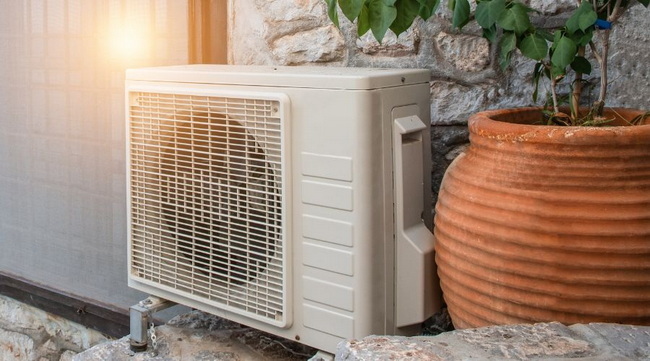
Our experience proves proactive care works. Case 1: A family in a humid coastal area ignored their condensing unit for years. Debris-clogged coils led to compressor overheating and a $3,200 failure during a 2025 heatwave. After our repair and maintenance plan, efficiency improved, bills dropped 22%, and no issues since.
Case 2: An office building upgraded aging outdoor units to high-SEER models. Amid record 2025 temperatures, they saved $450 per unit yearly, totaling $12,000. Payback period: 18 months.
Case 3: Elderly homeowner's noisy fan signaled bearing wear. Quick $250 fix prevented $2,500 compressor damage. These stories highlight: Early intervention saves thousands. Mega Services installed over 500 units last year, with 98% customer satisfaction.
Spot issues early to avoid emergencies. Common symptoms and fixes:
- Noisy Operation: Loose panels, failing fan motor, or debris - tighten screws, clean, or replace bearings.
- Poor Cooling Indoors: Dirty coils, low refrigerant, or fan failure - clean first, call for leak tests.
- Unit Won't Start: Faulty capacitor, thermostat issues, or tripped breaker - check basics, then pro.
- Hot Coils/High Head Pressure: Restricted airflow, overcharge - clear space, evacuate excess refrigerant.
- Vibrations: Unlevel base or loose mounts - re-level, add isolators.
- Frost on Lines: Low refrigerant or airflow - urgent pro service needed.
Pro tip: At first sign, call Mega Services - delays double repair costs from $300 to $1,000+.
Proper setup prevents 70% of early failures and ensures warranties hold. Mega Services follows these standards:
- Ideal Location: Shaded, level ground away from vents/windows; 3-foot clearance all sides.
- Foundation: Concrete pad 4-6 inches thick, slightly larger than unit.
- Vibration Pads: Rubber isolators reduce noise 50% and protect slab.
- Line Set Routing: Secure copper lines with hangers; insulate suction line.
- Electrical: Dedicated 240V circuit, proper gauge wire, disconnect box nearby.
- Drainage: Slight slope for condensation runoff.
Code-compliant installs come with our 10-year parts warranty. Poor installs cause 40% of service calls industry-wide.
By 2030, experts predict hybrid heat pumps will replace traditional condensers, blending AC/heating for 50% efficiency gains. Current upgrades include:
- Variable refrigerant flow (VRF) for zoning.
- UV lights in coils to kill mold/bacteria.
- Solar-assisted compressors cutting grid use 30%.
Pro advice: Pair with smart thermostats like Nest for 10-15% savings via geofencing. Monitor via apps for vibration alerts. Mega Services offers audits to future-proof your system against rising energy costs and regulations.
Don't wait for total failure. Replace if:
- Age exceeds 12-15 years.
- Repairs exceed $2,000 or 50% of new unit cost.
- SEER below 14 amid high bills.
- Frequent breakdowns (3+ yearly).
- R-22 refrigerant (phased out, expensive).
New units pay back in 3-5 years via savings. Financing available through Mega Services.
As regional leaders in heating and cooling, Mega Services Heating & Cooling prioritizes safety, comfort, and savings. Our NATE-certified techs service all major brands with genuine parts. 24/7 emergency response, transparent pricing, and satisfaction guarantees set us apart. Thousands trust us for reliable performance.
Don't risk discomfort or skyrocketing bills from a neglected condensing unit. Schedule your free inspection with Mega Services Heating & Cooling today! Our experts will assess your outdoor condenser, provide a custom maintenance plan, and ensure peak efficiency. Call 301-304-6666, visit our website, or book online now. Enjoy a safer, cooler home with real energy savings - act today for tomorrow's comfort!
Contact Mega Services Heating & Cooling today!
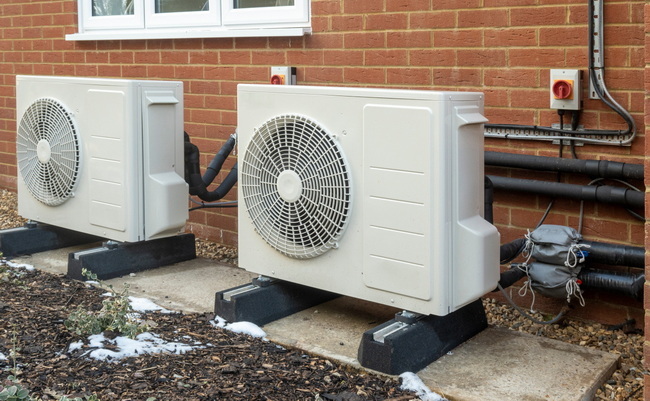
It's the condensing unit or outdoor condenser, housing the compressor, coils, and fan for heat release.
Twice yearly - spring for AC prep, fall for heating - to maintain peak efficiency and catch issues early.
Use breathable, vented covers only; full enclosures trap moisture, block airflow, and void warranties.
Normal condensation on hot days, but pooling or indoor leaks signal clogged drains or coil issues - call a pro immediately.
Yes, shade reduces runtime by 5-10% and compressor strain, but maintain 2-foot air circulation clearance.
1. https://airprosusa.com/what-is-the-outside-part-of-an-ac-called/
2. https://www.azbil.com/cn/withazbil/atoz/interior_perimeter.html
3. https://nyhrcenter.com/%E4%B8%80%E7%AF%87%E5%86%9C%E6%B0%91%E9%83%BD%E8%83%BD%E7%9C%8B%E6%87%82%E7%9A%84%E7%A9%BA%E8%B0%83%E7%BB
4. https://m.zhuxiaobang.com/article/7266257497361646117
5. https://icarehomecomfort.com/zh/cooling/air-conditioner-maintenance/
6. https://www.fxyf.cn/newsview?id=11443
7. http://www.bjsczz.com.cn/p/1681161069850.html
8. https://tech.sina.cn/digi/elec/2019-07-23/detail-ihytcitm3892103.d.html?vt=4
9. https://www.reddit.com/r/HomeImprovement/comments/cx67nx/should_i_build_a_sun_blocking_structure_for/


