
Views: 214 Author: Mega Services Publish Time: 2026-07-10 Origin: Site


Content Menu
● What It Really Means When Your AC Is Not Blowing Cold Air
● Primary Target Keyword and Supporting Phrases
● Quick Safety & Comfort Checklist (Start Here)
● Cause 1: Low Refrigerant – Why "Topping Off" Is Not a Fix
>> What Low Refrigerant Really Means
>> Why DIY Refrigerant Handling Is Dangerous
● Cause 2: Dirty or Clogged Air Filters – The Most Overlooked Fix
>> How Dirty Filters Kill Cooling Performance
>> How to Clean or Replace Air Filters (Step‑by‑Step)
>> Preventive Filter Maintenance Schedule
● Cause 3: Frozen Evaporator Coil – Why Ice Means Trouble, Not Extra Cooling
>> What a Frozen Coil Tells You
● Cause 4: Thermostat Mistakes and Failures
>> Simple Thermostat Troubleshooting Steps
● Cause 5: Damaged Ductwork or Blocked Vents
>> Why Ducts and Vents Matter for Even Cooling
>> What You Can Safely Inspect
● Cause 6: Electrical Problems – When to Stop DIY Immediately
>> Common Electrical Faults in AC Systems
>> Homeowner Actions vs. Professional Territory
● Expert Troubleshooting Flow: Step‑by‑Step Guide
● When to Call Mega Services Heating & Cooling
>> Clear Signals It's Time for Professional Help
>> What You Can Expect From Our Team
● SEO‑Driven UX Enhancements for This Topic
● Clear Call to Action: Restore Your Home Comfort
● Frequently Asked Questions (FAQ)
>> 1. Why is my AC running but not blowing cold air?
>> 2. Can I fix an AC that's not cooling on my own?
>> 3. How often should I change my AC filter to avoid cooling issues?
>> 4. Is it safe to keep running my AC if the evaporator coil is frozen?
>> 5. When should I consider AC replacement instead of repeated repairs?
AC not blowing cold air is usually a solvable problem, but the safest and most cost‑effective fix combines smart homeowner troubleshooting with timely professional HVAC support. As a technician at Mega Services Heating & Cooling, I've seen how a structured, step‑by‑step approach not only restores comfort faster but also protects your family's safety and your AC system's long‑term efficiency. [ciwebgroup]
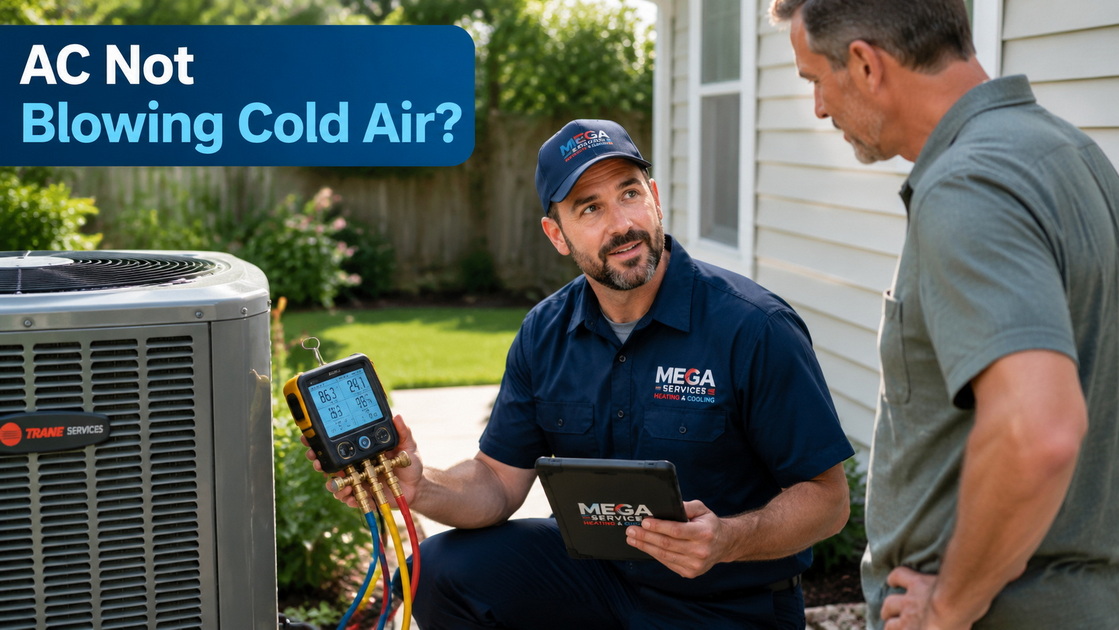
When your air conditioner stops delivering cold air, it's more than an inconvenience—it's a signal that something inside the system is out of balance. Sometimes the cause is simple, like a dirty air filter or an incorrectly set thermostat, and you can address it in minutes. In other cases, issues such as low refrigerant, damaged ductwork, or electrical faults require a licensed HVAC professional to prevent further damage and safety risks. [bruceclay]
From years of in‑home service, I've learned that homeowners who follow a clear diagnostic checklist avoid unnecessary breakdowns and keep their energy costs significantly lower over the life of their system. The sections below walk you through that checklist, explain the technical "why" behind each symptom, and show you exactly when to stop DIY and call Mega Services Heating & Cooling. [hvacseo]
To help you and other homeowners find this guide when you need it most, we've optimized it around "AC not blowing cold air" as the primary keyword. Supporting long‑tail phrases we'll naturally address include: [nopio]
- AC running but not cooling
- AC blowing warm air
- central air not cold
- home AC troubleshooting steps
- when to call AC repair near me
This keyword strategy aligns with modern HVAC SEO best practices, which favor helpful, in‑depth diagnostic content over keyword stuffing. [hvacseo]
Before diving into technical components, take 60–120 seconds to run through this homeowner safety and comfort checklist. [ciwebgroup]
1. Check the thermostat. Confirm it is set to "Cool," the temperature is below current room temperature, and the fan mode is set correctly (Auto or On). [ciwebgroup]
2. Listen for unusual noises. Hissing, buzzing, or loud rattling often signals refrigerant or electrical issues that require a professional. [ciwebgroup]
3. Look for visible ice. If you see frost on the indoor coil or refrigerant line, turn the system off and do not chip away the ice. [ciwebgroup]
4. Inspect filters and vents. Make sure filters are clean and supply/return vents are not blocked by furniture, curtains, or dust buildup. [ciwebgroup]
5. Check the outdoor unit. Confirm the condenser is running, clear of debris, and not covered or blocked. [ciwebgroup]
If anything in this checklist seems unsafe or unfamiliar, turn the system off and contact Mega Services Heating & Cooling before attempting further troubleshooting. [bruceclay]
Refrigerant is the lifeblood of your cooling system, not a consumable like gasoline. Under normal conditions, the refrigerant charge remains stable for years; when levels drop, it almost always indicates a leak. Common warning signs include: [bruceclay]
- AC blowing warm or lukewarm air from vents
- Ice buildup on indoor coils or refrigerant lines
- Hissing or bubbling sounds near the indoor or outdoor unit
- Rising energy bills as the system runs longer to achieve the same temperature
Modern refrigerants are regulated because improper handling can cause health risks and environmental damage. EPA rules require AC recharging to be performed only by certified HVAC professionals with proper recovery and leak‑testing equipment. Attempting to "top off" refrigerant without fixing the leak can: [bruceclay]
- Mask underlying mechanical problems
- Lead to compressor failure (a major, expensive repair)
- Void manufacturer warranties
When we're called to a home where the AC is not blowing cold air due to suspected low refrigerant, our technicians follow a structured process: [bruceclay]
- Perform leak detection on coils, lines, and connections
- Repair or replace the failing component
- Evacuate and recharge the system to manufacturer‑specified levels
- Test superheat and subcooling to verify correct operation
For homeowners, the most important step is simple: if you suspect a refrigerant problem, stop DIY work and schedule a service visit. [bruceclay]
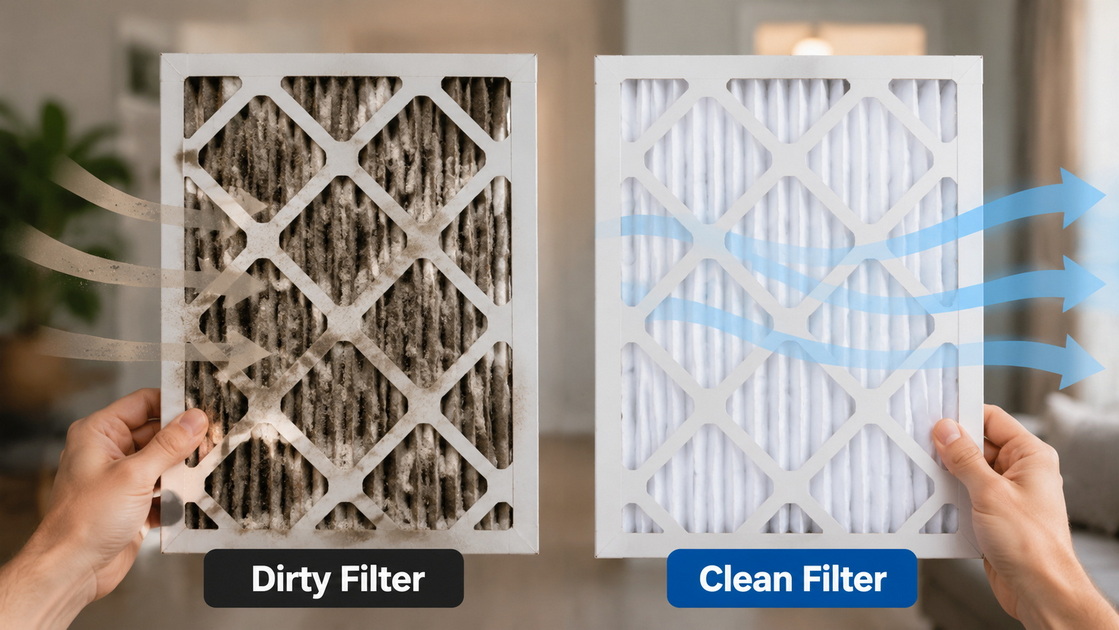
A dirty or clogged air filter restricts airflow, reducing the amount of warm air passing over the evaporator coil. With poor airflow, your system may: [bruceclay]
- Blow weak, warmer air from vents instead of strong cold air
- Run longer cycles and still fail to reach set temperature
- Accumulate dust inside the indoor unit, leading to more breakdowns
From field experience, we see that neglected filters are one of the fastest ways to turn a healthy system into an inefficient, uncomfortable one—especially during peak summer demand. [hvacseo]
Follow these homeowner‑friendly steps to restore proper airflow: [ciwebgroup]
1. Turn off your AC at the thermostat and, if you prefer, at the breaker.
2. Locate the filter (usually in a return grille, filter cabinet near the furnace, or air handler).
3. For reusable filters:
- Remove the filter.
- Rinse with clean water until clear.
- Allow it to dry completely before reinstalling.
4. For disposable filters:
- Check size and rating printed on the frame.
- Install a new filter with the airflow arrow pointing toward the equipment.
Most homes benefit from this simple filter maintenance schedule: [bruceclay]
| Home situation | Recommended filter change/clean interval |
|---|---|
| Standard household, no pets | Every 2–3 months ciwebgroup |
| Multiple pets or heavy dust | Every 1–2 months ciwebgroup |
| Allergy or asthma concerns | Monthly high‑quality filter ciwebgroup |
Regular filter maintenance is one of the easiest ways to keep your AC blowing cold air and to reduce energy waste over the life of the system. [ciwebgroup]
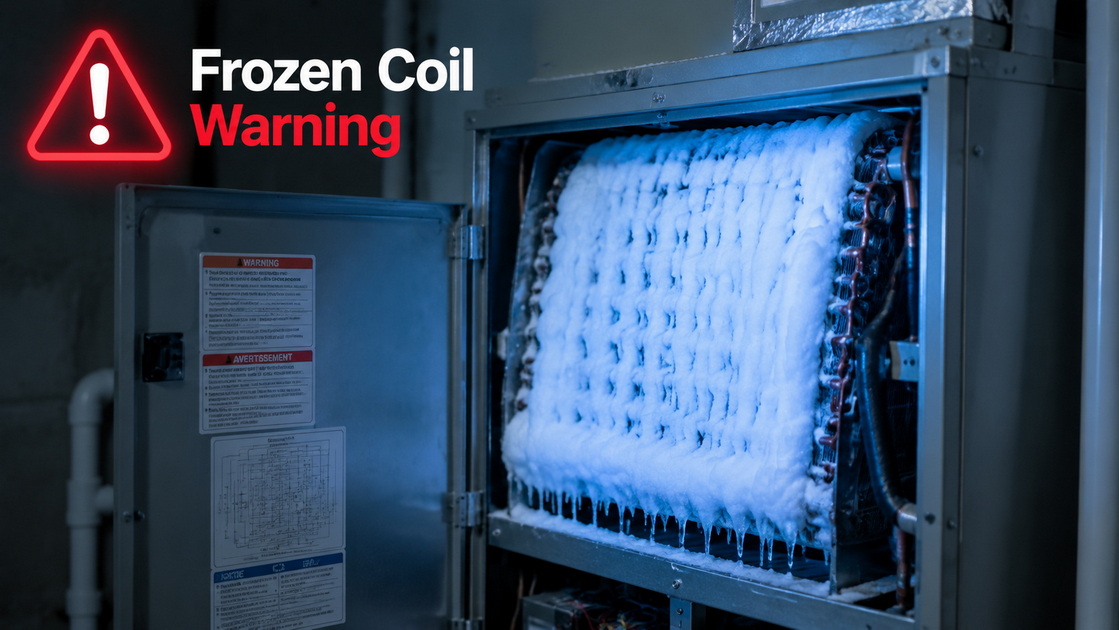
When you see ice on the evaporator coil, refrigerant line, or inside the indoor unit, your system is signaling a serious airflow or refrigerant issue. Ice prevents proper heat transfer, causing the AC to blow warm air or stop cooling completely. Common triggers include: [bruceclay]
- Low refrigerant
- Very dirty filters
- Blocked return/supply ducts
- Malfunctioning blower or controls
If your AC is not blowing cold air and you discover ice, use the following steps: [ciwebgroup]
1. Turn the thermostat to Off and shut down cooling.
2. Allow the coil to thaw naturally for 24–48 hours; do not chip away ice manually.
3. After thawing, replace filters and ensure vents are open and unobstructed.
4. Turn cooling back on and monitor performance.
If ice reappears or cooling remains weak, it's time to involve a professional to inspect refrigerant levels, blower performance, and coil condition. [bruceclay]
Upgrading to a programmable or smart thermostat improves comfort and energy efficiency, but basic settings and wiring must be correct. When the thermostat is misconfigured or failing, you may notice: [ciwebgroup]
- AC not turning on at all
- Short cycling (frequent on/off)
- Temperature readings that feel inaccurate
Homeowners can safely try the following before calling for service: [ciwebgroup]
- Confirm the thermostat is set to "Cool" and not "Heat" or "Off."
- Verify target temperature is at least 3–5 degrees below room temperature.
- Replace batteries in battery‑powered models.
- Check that scheduled programs are not overriding your manual settings.
If the display is blank, controls are unresponsive, or problems persist, a thermostat replacement or professional evaluation is likely required. [bruceclay]
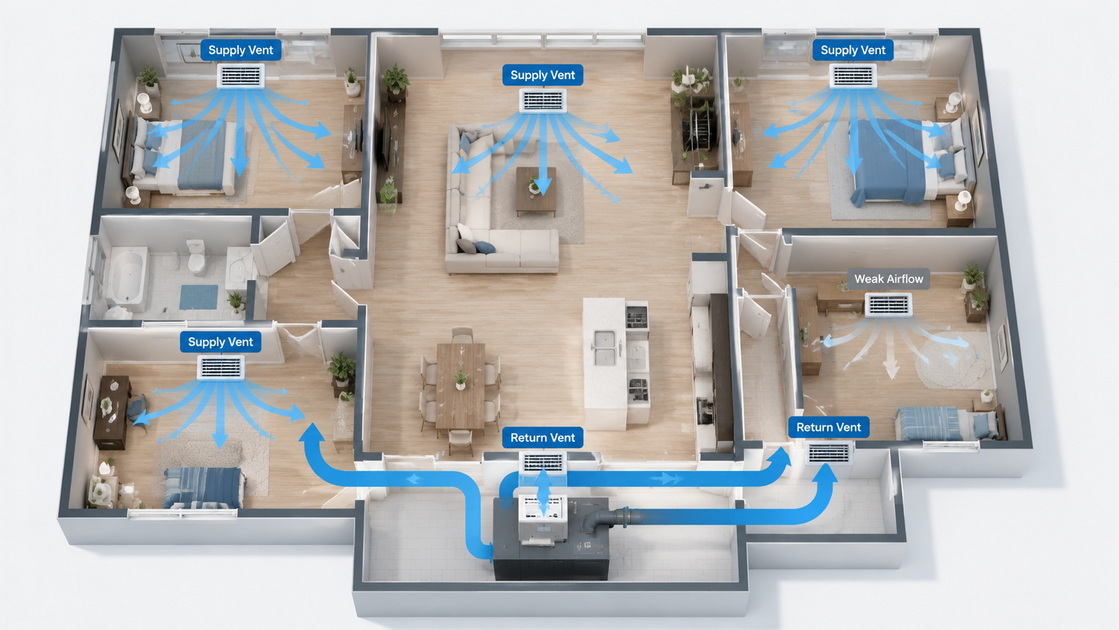
Even if your AC equipment is working, damaged ductwork or blocked vents can stop cold air from reaching key rooms. Symptoms often include: [ciwebgroup]
- Hot and cold spots between rooms
- Very weak airflow at certain vents
- Visible dust streaks or whistling noises from ducts
You can perform these basic duct and vent checks: [ciwebgroup]
- Visually inspect accessible ducts for holes, loose joints, or crushed sections.
- Make sure furniture, rugs, and curtains are not blocking supply vents.
- Use a vacuum to remove dust buildup from registers and grilles.
Minor gaps can sometimes be sealed with HVAC‑approved duct mastic or tape, but significant damage or inaccessible ducts are best handled by a professional to avoid air quality and efficiency issues. [bruceclay]
If your AC is not blowing cold air because it won't turn on at all, electrical problems may be the root cause. Typical issues include: [ciwebgroup]
- Tripped AC circuit breaker
- Failed capacitor or contactor
- Loose wiring or corrosion at electrical connections
You can safely: [ciwebgroup]
- Check the breaker panel and reset a tripped breaker once.
- Confirm that any external AC disconnect switches are in the "On" position.
If the breaker trips again, you hear buzzing at the outdoor unit, or the fan/compressor fails to start, stop troubleshooting and call a licensed HVAC technician—electrical diagnosis is not a safe DIY activity. [bruceclay]
For homeowners who want a structured approach, here is the expert‑inspired troubleshooting flow Mega Services technicians recommend: [hvacseo]
1. Confirm thermostat settings and schedule.
2. Inspect filters and vents; clean or replace as needed.
3. Check for visible ice on the indoor unit or lines; shut off and thaw if present.
4. Listen to the outdoor unit for fan/compressor operation.
5. Check the breaker panel once for tripped AC breakers.
6. If cooling is still weak or absent, schedule professional diagnosis (likely refrigerant, coil, blower, duct, or electrical issues).
This flow reduces guesswork and helps you avoid unnecessary, potentially harmful DIY interventions. [bruceclay]
Based on industry standards and our day‑to‑day field experience, you should call a professional AC repair company like Mega Services Heating & Cooling when: [bruceclay]
- Your AC is not producing cold air despite correct thermostat settings
- You notice strange noises, burning smells, or persistent hissing
- There is water leaking around the indoor unit or heavy condensation
- Your energy bills spike without a change in usage
- Ice returns after a full thaw, or cooling remains inconsistent
Professional service not only restores comfort but also protects critical components like the compressor, blower motor, and electronic controls from avoidable damage. [bruceclay]
When you schedule service with Mega Services Heating & Cooling, our technicians: [sixthcitymarketing]
- Perform a complete system inspection (thermostat, indoor unit, outdoor unit, ducts)
- Explain findings in plain language, focusing on safety, comfort, and efficiency
- Present repair and maintenance options with transparent pricing
- Offer recommendations to prevent future "not blowing cold air" events, including tune‑ups and filter programs
To maximize both user experience and search performance, this type of article benefits from: [hvacseo]
- Short, scannable sections with descriptive H2/H3 headings
- Strategic bold text highlighting symptoms, risk indicators, and action steps
- At‑a‑glance tables for maintenance schedules and warning signs
- Embedded how‑to videos demonstrating filter changes, thermostat checks, or vent inspections
- Internal links to related resources like "AC maintenance checklist," "energy‑efficient thermostat upgrades," and "emergency AC repair services"
Implementing these UX patterns helps search engines understand the structure of the page and makes it easier for homeowners to quickly find the answer that matches their situation. [nopio]
If your AC is not blowing cold air right now, you don't have to wait through another uncomfortable evening. [ciwebgroup]
Contact Mega Services Heating & Cooling today to schedule a same‑day or next‑day AC inspection and repair. Our local team specializes in fast diagnosis, honest recommendations, and long‑term solutions that protect your family's comfort and your system's efficiency. [sixthcitymarketing]
Whether you need emergency cooling support or a preventive tune‑up before the next heat wave, we're here to help you create a safe, comfortable, and energy‑efficient home environment all year long. [bruceclay]
This usually points to airflow restrictions (dirty filter, blocked vents), thermostat misconfiguration, low refrigerant, or a failing component such as the compressor or blower. A professional inspection can quickly narrow down the cause and prevent further damage. [ciwebgroup]
You can safely check and correct thermostat settings, replace filters, clear vents, and reset a tripped breaker once. However, refrigerant, electrical, and internal component repairs should always be handled by a licensed HVAC technician. [bruceclay]
Most homes need filter changes every 2–3 months, but households with pets, allergy concerns, or heavy dust may require monthly replacements. Consistent filter maintenance is one of the most effective ways to keep your AC blowing cold air and lower energy use. [ciwebgroup]
No. Running a system with a frozen coil can damage the compressor and other components. Turn the system off, allow the coil to thaw, then contact an HVAC professional if ice returns or cooling is still weak. [bruceclay]
If your system is over 10–15 years old, experiences frequent breakdowns, or uses outdated refrigerant, replacement may be more cost‑effective than ongoing repairs. A professional evaluation can compare repair costs, efficiency gains, and available rebates to help you decide. [nopio]
1. Logan Services A/C, Heat & Plumbing – "AC Not Blowing Cold Air: Common Reasons Why." [ciwebgroup]
2. HVAC SEO Content Strategy – "Educational Blog Posts and Diagnostic Guides." [](https://hvacseo.org/blog/hvac-seo-content)
3. HVAC SEO for Contractors – Local search and content best practices. [](https://www.sixthcitymarketing.com/2026/03/16/complete-guide-to-seo-for-hvac-companies/)
4. SEO for HVAC Installation and Maintenance – Authority and trust in HVAC content. [](https://www.bruceclay.com/seo/industry/home-improvement/hvac/)
5. HVAC SEO: Definitive Guide for Contractors 2026 – Keyword targeting and content depth. [](https://www.nopio.com/blog/hvac-seo-guide/)


