
Views: 293 Author: Mega Services Publish Time: 2026-08-12 Origin: Site


Content Menu
● Why Carrier Infinity Stands Out
● Humidity Control and Comfort
● Quiet Operation and Energy Use
● Installation Quality Matters Most
● FAQ
>> 1. What makes Carrier Infinity different from a standard AC system?
>> 2. Does a variable-speed system help with humidity?
>> 3. Is Carrier Infinity good for a two-story home?
>> 4. Why is installation so important?
>> 5. How quiet is Carrier Infinity?
>> 6. What should homeowners ask before installation?
For homeowners who want better comfort, quieter operation, and stronger humidity control, the Carrier Infinity whole-home variable-speed system is a premium choice worth serious consideration. When it is installed correctly, it can deliver a noticeably smoother indoor climate than a standard single-stage system, especially in two-story homes and humid climates.
A well-installed Infinity system is not just about the equipment. It is about the full result: airflow, refrigerant charge, static pressure, duct performance, and control settings all working together to create stable comfort.
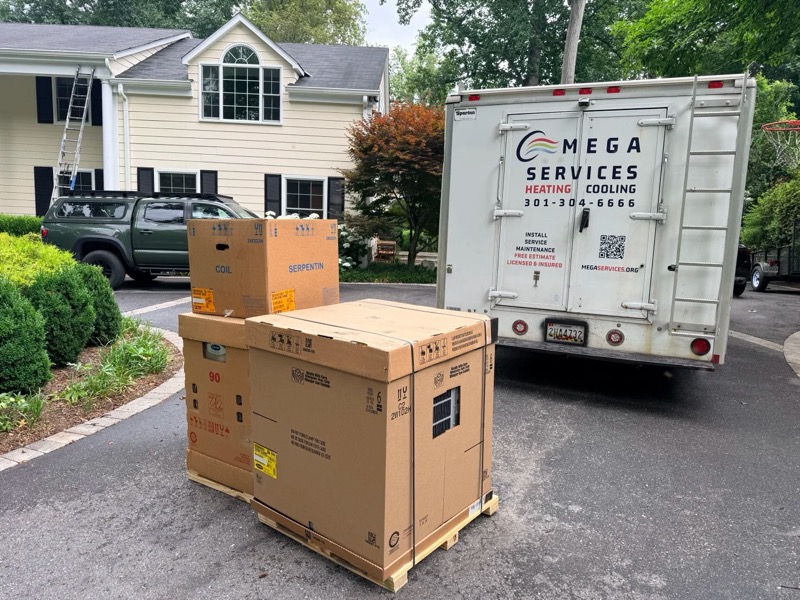
Carrier describes the Infinity line as its most advanced residential comfort platform, built with adaptable-speed technology for smoother operation and higher efficiency. The system can make subtle adjustments as conditions change, which helps reduce temperature swings and improve day-to-day comfort.
That matters because many homeowners do not just want cooler air. They want a home that feels balanced, especially upstairs and downstairs, where uneven temperatures are common in larger homes. Variable-speed operation helps the system run longer at lower output, which supports steadier comfort and quieter performance.
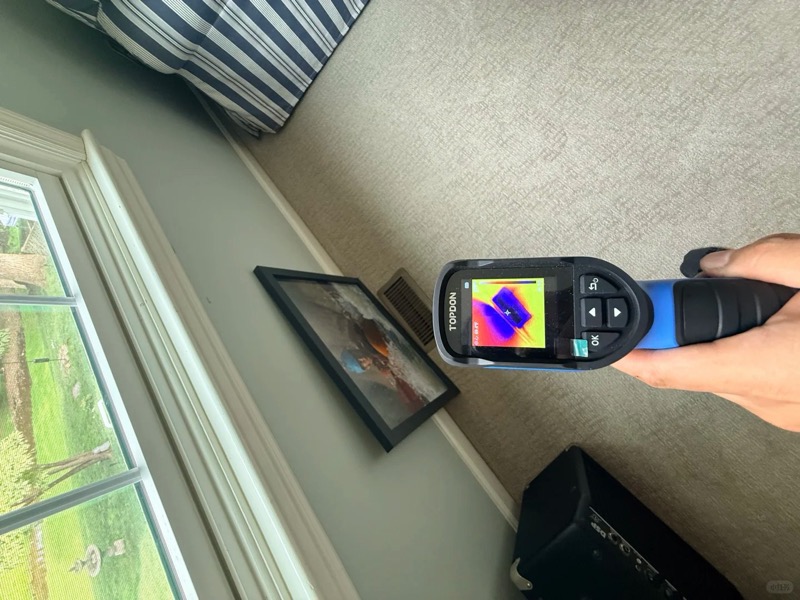
One of the biggest strengths of Carrier Infinity is moisture management. Carrier notes that the system can work with humidity control features, and the Infinity control platform can manage dehumidification settings as part of the overall comfort strategy.
This is especially valuable in warm, humid regions such as Maryland and the broader Mid-Atlantic, where cooling alone is not enough. A system that removes moisture more effectively can make 75°F feel more comfortable than a basic unit at the same temperature, because indoor air feels less sticky and easier to breathe.
- Lower humidity helps a home feel cooler without constantly lowering the thermostat.
- Better moisture control can reduce musty odors and improve overall indoor comfort.
- More stable humidity can support healthier living conditions in areas prone to dampness.
Carrier states that Infinity models are designed for quiet operation, with sound levels that can be as low as 55 dBA on selected units. That lower noise profile is a major benefit for homeowners who do not want the system to dominate the background of daily life.
Energy performance is another major advantage. Carrier reports up to 21 SEER2 on the Infinity 21 air conditioner and up to 18 SEER on other Infinity variable-speed products, showing why these systems are often chosen by homeowners who want long-term efficiency and comfort together.
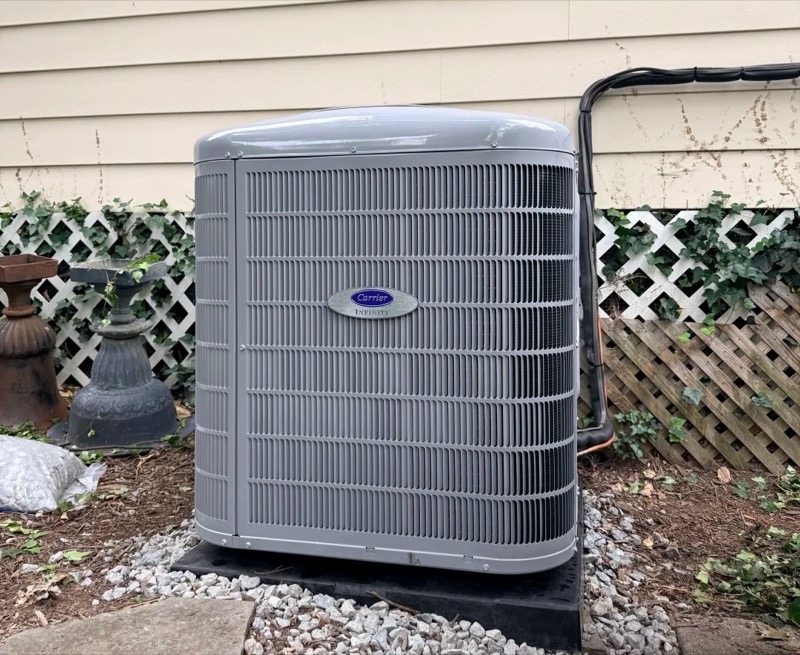
Even the best equipment can underperform if installation is weak. ENERGY STAR requires key commissioning checks such as blower airflow measurement, refrigerant charge verification, and performance assessment after installation to confirm the system matches the design.
In practical terms, a professional installation should include:
1. Vacuuming the refrigerant lines properly.
2. Charging the system accurately.
3. Testing static pressure.
4. Adjusting airflow.
5. Verifying performance with thermal inspection or similar diagnostic checks.
If static pressure is too high, airflow suffers and efficiency drops. Most residential systems are designed to operate around 0.5 in. w.c., so duct issues, dirty filters, or blocked vents can quickly reduce the benefit of a premium system.
Carrier Infinity tends to make the most sense for homeowners who want more than basic cooling. It is a strong fit for:
- Two-story homes with uneven temperatures.
- Homes in humid climates.
- Families sensitive to noise.
- Homeowners who want better efficiency and more precise comfort.
- Properties where premium installation and long-term performance matter.
For budget-focused buyers, a simpler system may be enough. But for homeowners who value comfort control, quiet operation, and humidity management, Infinity is often the strongest Carrier option.
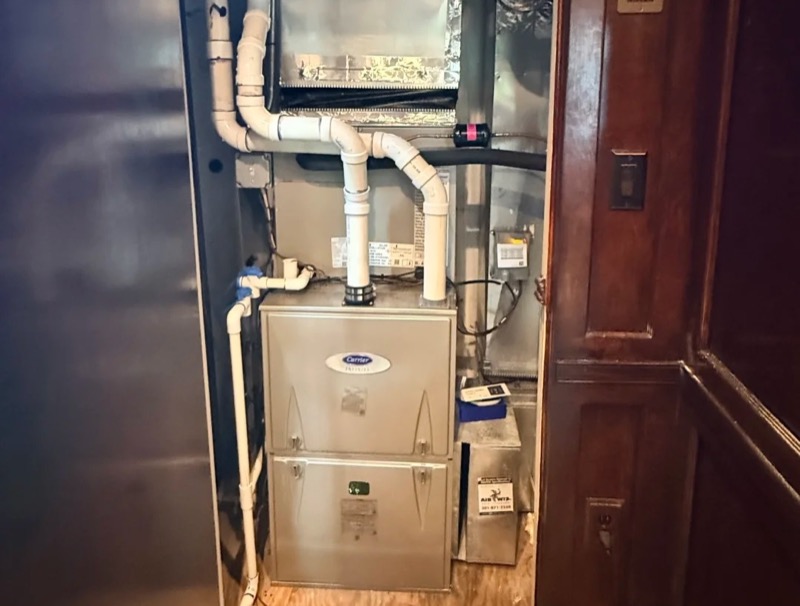
At Mega Services Heating & Cooling, the goal is not just to install equipment. It is to make sure the system performs at its full potential in real-world conditions. That means careful setup, proper testing, and attention to the details that affect comfort every day.
Our installation process focuses on:
- Refrigerant line evacuation.
- Correct charging.
- Static pressure testing.
- Airflow balancing.
- Thermal imaging verification.
- Final performance checks.
Homeowners choose a premium system for comfort, but they stay satisfied because of the installation quality behind it. A Carrier Infinity system can only deliver its best results when the system design, ductwork, and controls are handled correctly.
That is why our approach centers on comfort, efficiency, and long-term reliability. We help homeowners get a system that feels better every day, not just one that looks good on paper.
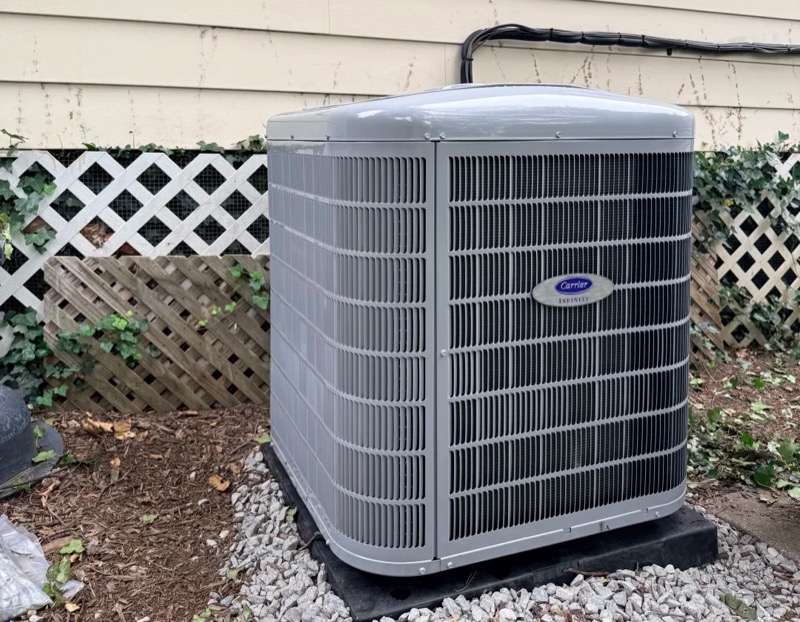
Carrier Infinity uses variable-speed technology and advanced controls to adjust output more precisely, which helps improve comfort, quietness, and energy efficiency.
Yes. Carrier's Infinity platform is designed to support better dehumidification and more consistent indoor comfort, which is especially useful in humid climates.
Yes. Because it can run more steadily and adjust output smoothly, it is often a strong choice for homes with upstairs and downstairs temperature differences.
Even premium equipment can underperform if airflow, refrigerant charge, or static pressure are not set correctly. Proper commissioning helps the system deliver the comfort and efficiency it was designed for.
Carrier lists some Infinity models as operating as low as 55 dBA, which is significantly quieter than many traditional systems.
They should ask whether the contractor will test airflow, verify refrigerant charge, measure static pressure, and confirm the system is tuned for the home's ductwork and layout.
1. Carrier Residential, "Air Conditioners," [https://www.carrier.com/us/en/residential/air-conditioners/]
2. Carrier Residential, "Heat Pumps," [https://www.carrier.com/us/en/residential/heat-pumps/]
3. Carrier Infinity 18VS product literature, [https://www.micsplumbing.com/uploads/PDF_File_32127343.pdf]
4. ENERGY STAR, "Requirements & Resources for HVAC Contractors," [https://www.energystar.gov/partner-resources/residential_new/working/hvac/Requirements_Resources]
5. ENERGY STAR, "HVAC Designers and Contractors," [https://www.energystar.gov/partner-resources/residential_new/working/hvac]
6. Centerline Mechanical, "What Is the Ideal Static Pressure in HVAC: 2026 Guide," [https://centerlinemech.com/what-is-the-ideal-static-pressure-in-hvac/]
7. Lennox, "Static Pressure in HVAC Systems," [https://www.lennox.com/residential/lennox-life/consumer/static-pressure-in-hvac]
8. Maryland Energy Administration, "Inflation Reduction Act Home Energy Rebate Programs," [https://energy.maryland.gov/Pages/IRArebates.aspx]
9. Total Home Performance, "The 2026 Guide to Maryland Home Improvement Rebates," [https://totalhomeperformance.com/blog/guide-maryland-home-improvement-rebates-2025]
10. Carrier Infinity thermostat and humidity control training video, [https://www.youtube.com/watch?v=2WaYiA3kuOQ]


