
Views: 277 Author: Mega Services Publish Time: 2026-08-11 Origin: Site


Content Menu
● Why Homeowners Are Upgrading to Carrier Performance Systems
>> Key Advantages of Carrier Performance Systems
● Project Overview: Full HVAC Upgrade in the DMV Area
● What Makes R-454B Refrigerant a Game Changer?
● Installation Quality: The Hidden Factor Behind HVAC Performance
>> Critical Installation Steps We Focus On
● Real-World Impact: What Homeowners Experience After Upgrade
● Energy Savings and Cost Efficiency: What to Expect
● Common Mistakes to Avoid When Replacing an HVAC System
● Why Mega Services Heating & Cooling Stands Out
>> Our Approach
● When Should You Replace Your Air Conditioning System?
● Expert Insight: The Future of Residential HVAC
● Ready to Upgrade Your HVAC System?
● FAQ
>> 1. What is the difference between single-stage and Carrier Performance systems?
>> 2. Is R-454B refrigerant safe for residential use?
>> 3. How long does a typical HVAC installation take?
>> 4. Will a new system significantly lower my energy bills?
>> 5. How often should I maintain my HVAC system?
When it comes to air conditioning installation in Maryland and the DMV area, homeowners are increasingly prioritizing energy efficiency, consistent comfort, and long-term reliability. As an HVAC professional working closely with residential systems, I've seen firsthand how the right equipment—paired with precise installation—can dramatically improve indoor living conditions.
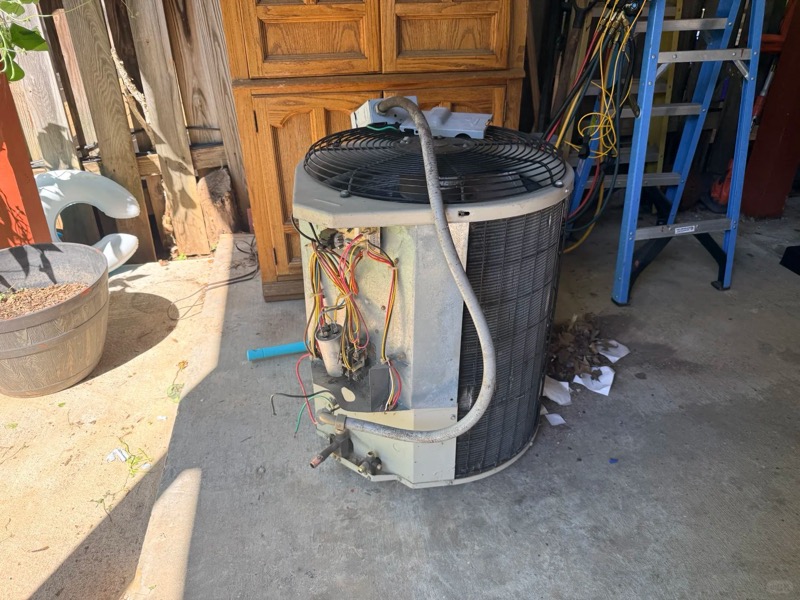
Recently, our team at Mega Services Heating & Cooling completed a full Carrier Performance system installation, replacing an outdated single-stage unit with a modern, high-efficiency solution. This project highlights not only the evolution of HVAC technology but also the critical importance of installation quality.
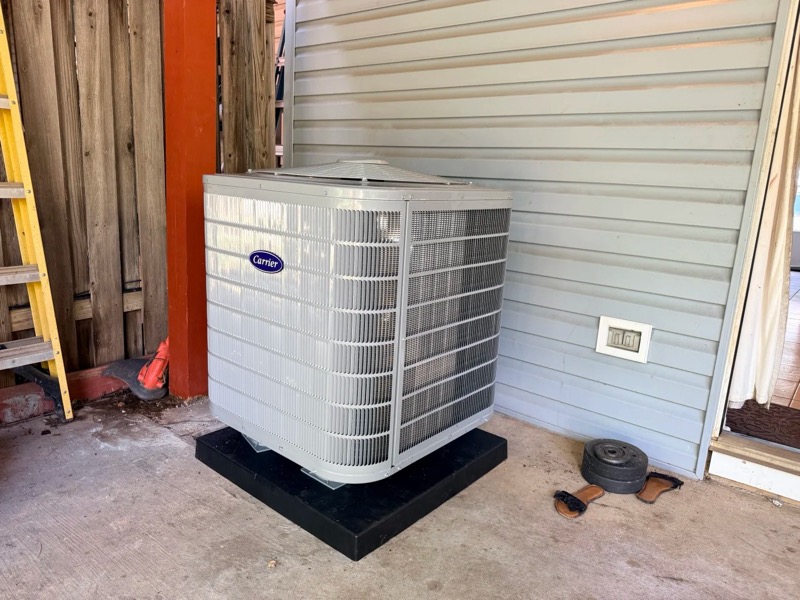
Traditional single-stage air conditioners operate at full capacity or not at all. While simple, they often lead to temperature swings, uneven cooling, and higher energy bills.
The Carrier Performance series offers a more advanced alternative.
- Improved Comfort Control: Maintains more stable indoor temperatures with fewer fluctuations
- Higher Energy Efficiency: Reduces electricity consumption over time
- Quieter Operation: Designed with sound-dampening technology
- Even Cooling Distribution: Eliminates hot and cold spots across rooms
- Long-Term Cost Savings: Lower operational costs despite higher upfront investment
From a technical standpoint, these systems often integrate variable-speed or multi-stage components, allowing them to adjust output based on real-time demand rather than cycling aggressively.
In this Maryland-based project, the homeowner requested a complete air conditioning system replacement to improve comfort and reduce energy costs.
- New Carrier Performance System Installed
- R-454B Refrigerant Integration (Next-Generation, Low GWP)
- Brand-New Air Handler Unit
- Condensate Drain System Redesigned
- Vacuum Pressure Testing and System Commissioning Completed
Each step was executed with attention to detail because even the most advanced equipment can underperform if installation is rushed or improperly handled.
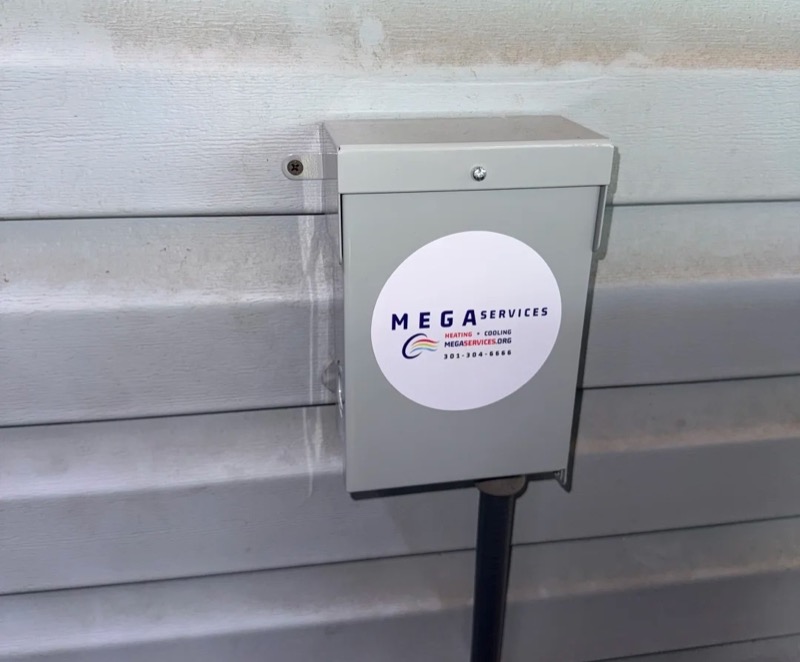
One of the most important upgrades in this installation is the adoption of R-454B refrigerant, which is rapidly becoming the new standard in residential HVAC systems.
- Lower Global Warming Potential (GWP) compared to older refrigerants like R-410A
- Improved Energy Efficiency when paired with compatible systems
- Future Compliance with evolving environmental regulations
For homeowners, this means your system is not only efficient today but also aligned with future industry requirements, avoiding costly retrofits later.
A common misconception is that equipment brand alone determines system performance. In reality, installation quality often has an equal—or greater—impact.
1. Proper Vacuuming and Leak Testing
Ensures no moisture or contaminants remain in the system.
2. Accurate Refrigerant Charging
Incorrect levels can reduce efficiency by up to 20%.
3. Airflow Calibration
Balanced airflow ensures even cooling throughout the home.
4. Condensate Drain Optimization
Prevents water damage and mold risks.
5. System Commissioning and Testing
Confirms all components operate within manufacturer specifications.
In this project, every step was carefully completed to guarantee optimal performance from day one.
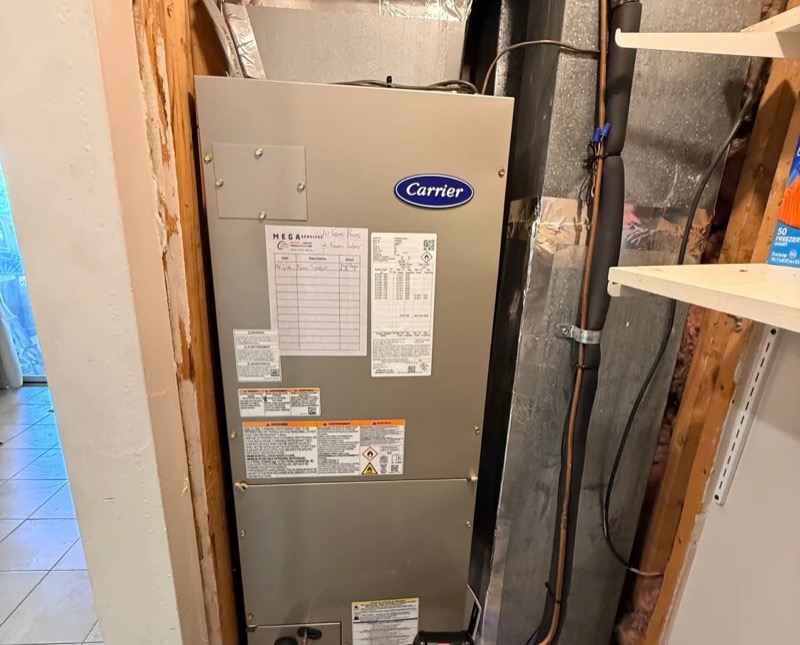
From both professional experience and homeowner feedback, the benefits of upgrading to a Carrier Performance system are immediately noticeable.
- Before: Uneven cooling, loud operation, high electricity bills
- After: Quiet system, consistent indoor temperature, reduced energy usage
One homeowner noted that rooms previously difficult to cool became noticeably more comfortable within the first week of operation.
While exact savings depend on home size and usage patterns, industry data suggests:
- Upgrading from older systems can reduce energy consumption by 15%–30%
- Variable-speed systems further improve efficiency during partial load conditions
- Lower cycling frequency extends system lifespan
A typical Maryland household spending $150/month on cooling could save:
- $22–$45/month after upgrading
- $264–$540/year in electricity costs
Over time, these savings significantly offset the initial installation investment.
From years in the field, I've seen homeowners make decisions that lead to long-term inefficiencies.
- Choosing Based on Price Alone: Lower upfront cost often means higher operating expenses
- Ignoring Installation Quality: Poor workmanship can negate system advantages
- Oversizing or Undersizing Units: Leads to inefficient cycling and discomfort
- Skipping Duct Evaluation: Old ductwork can limit new system performance
A well-planned installation considers the entire system—not just the equipment.
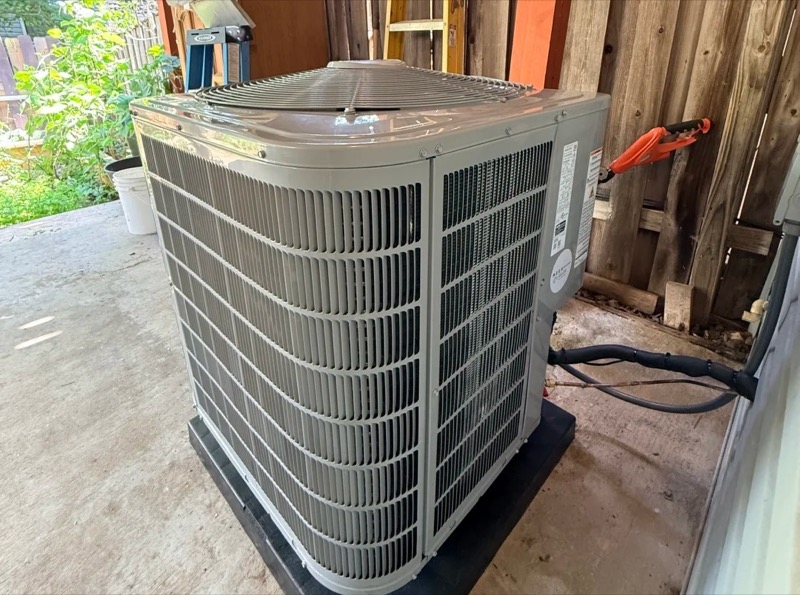
In a competitive market like Maryland and the DMV area, what differentiates service providers is execution consistency and technical discipline.
- Detail-Oriented Installation Process
- Up-to-Date Knowledge of Refrigerant Standards
- Transparent Communication with Homeowners
- Focus on Long-Term Performance, Not Short-Term Fixes
We treat each installation as a system engineering project—not just a routine replacement.
If you're unsure whether it's time to upgrade, here are some clear indicators:
- Your system is 10–15 years old
- Energy bills are steadily increasing
- Frequent repairs are required
- Cooling is uneven across rooms
- System noise has become noticeable
Replacing at the right time prevents unexpected breakdowns during peak summer months.
The HVAC industry is shifting toward:
- Low-GWP refrigerants like R-454B
- Smart thermostat integration
- Variable-speed technology as standard
- Greater emphasis on energy efficiency regulations
Homeowners who upgrade now position themselves ahead of these changes, ensuring long-term system relevance and compliance.
If you're considering air conditioning installation, replacement, or repair in Maryland, Virginia, or the DMV area, now is the perfect time to invest in a system that delivers comfort, efficiency, and reliability.
Contact Mega Services Heating & Cooling today to schedule a consultation and discover how a professionally installed Carrier Performance system can transform your home environment.
Single-stage systems operate at full capacity only, while Carrier Performance systems adjust output, providing better comfort, efficiency, and quieter operation.
Yes, R-454B is designed to meet modern safety and environmental standards and is becoming widely adopted in new HVAC systems.
Most residential installations can be completed within 1–2 days, depending on system complexity and home layout.
Yes, especially if you are upgrading from an older unit. Savings typically range from 15% to 30%.
Professional maintenance is recommended at least once or twice per year to ensure optimal performance and longevity.
1. U.S. Department of Energy – Air Conditioning Efficiency https://www.energy.gov/energysaver/air-conditioning
2. Carrier Official Product Information – Performance Series https://www.carrier.com/residential/en/us/products/air-conditioners/performance-series/
3. AHRI (Air-Conditioning, Heating, and Refrigeration Institute) Standards https://www.ahrinet.org
4. EPA Refrigerant Transition Guidelines (R-454B) https://www.epa.gov/climate-hfcs-reduction
5. ENERGY STAR Cooling Efficiency Data https://www.energystar.gov/products/heating_cooling


