
Views: 209 Author: Mega Services Publish Time: 2026-07-17 Origin: Site


Content Menu
● Understanding Home AC "Recharge" From a Technician's Chair
● Clear Signs Your Air Conditioner May Need Attention
>> Common Symptoms I See in Homes
>> A Quick Symptom–Risk Overview
● Why A Properly Installed AC Should Rarely Need a Recharge
>> The Closed-Loop Reality of Refrigerant
>> The Hidden Cost of Ignoring Leaks
● Legal And Safety Reasons You Shouldn't DIY Refrigerant
>> Regulations Are There to Protect You
>> Why DIY Kits Are Especially Risky
● What A Professional AC Recharge Actually Involves
>> Step-by-Step From A Technician's Perspective
>> Why Accurate Charging Matters
● Ongoing Maintenance To Prevent Future Refrigerant Problems
>> Practical Steps Homeowners Can Take
>> Recommended Seasonal Checkup Rhythm
● Energy Efficiency And Comfort: Beyond The Recharge
>> How Refrigerant Issues Affect Your Utility Bills
>> Practical Comfort Tips I Share With Families
● When To Contact A Professional
● FAQ
>> Q1: How can I tell if my AC problem is refrigerant-related or just a dirty filter?
>> Q2: Is it normal for my AC to need refrigerant every summer?
>> Q3: Can a refrigerant leak affect indoor air quality?
>> Q4: How often should I schedule maintenance to avoid refrigerant issues?
>> Q5: Will a new high-efficiency unit eliminate the need for future recharges?
Homeowners should never treat a home air conditioner "recharge" as a quick weekend project, because low refrigerant is usually a symptom of a deeper problem that needs professional diagnosis and repair. As an HVAC specialist at Mega Services Heating & Cooling, I've seen too many systems permanently damaged—and energy bills skyrocket—when refrigerant issues are handled the wrong way. [energystar]
When customers tell me "my AC just needs more Freon," what they're really describing is a system that's underperforming and struggling to keep up. From a professional perspective, an AC recharge is not a routine top-up; it's a corrective step that is only appropriate after the underlying cause—usually a leak—has been found and fixed. [amberairconditioning]
In a properly installed, sealed system, refrigerant circulates in a closed loop and should last the life of the unit, so any need for more refrigerant immediately raises a red flag. Over the past decade, I've learned that guiding families away from quick fixes and toward long-term solutions is the only way to protect comfort, safety, and equipment lifespan. [americanstandardair]

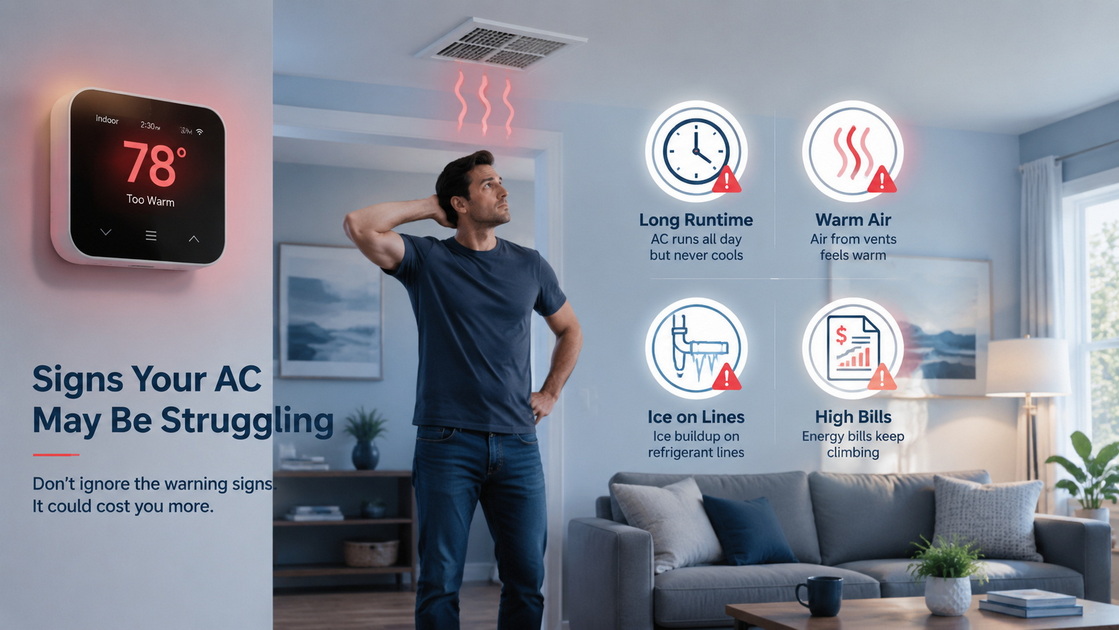
Homeowners usually call us after noticing one or more of these issues:
- AC runs constantly but rooms stay warm: The system is working overtime without dropping the indoor temperature, often due to low refrigerant or airflow problems. [aireserv]
- Warm air from supply vents: Even when the thermostat is set low, the air feels mildly cool or outright warm instead of crisp and refreshing. [energystar]
- Unexplained jump in electricity bills: The unit consumes more power because it's running longer cycles to try—and fail—to reach the set temperature. [thisoldhouse]
- Ice buildup on refrigerant lines or coils: Frost or ice on the copper lines or indoor coil is a classic indicator of refrigerant imbalance and heat transfer problems. [applianceteacher]
- Hissing or bubbling noises from the unit: These sounds can point to a refrigerant leak somewhere in the system's piping or connections. [amberairconditioning]
From a user's standpoint, these symptoms are frustrating; from a technician's standpoint, they're valuable clues that tell us where to focus diagnostics first. [trane]
| Symptom | Likely Cause | Potential Risk to System |
|---|---|---|
| Runs but doesn't cool | Low refrigerant, airflow issues | Shortened compressor life, higher energy use energystar |
| Ice on lines/coils | Refrigerant imbalance, restricted flow | Coil damage, water leaks, comfort loss energystar |
| Hissing/bubbling sounds | Active refrigerant leak | Environmental impact, system failure energystar |
| High power bills | Long cycles, poor efficiency | Ongoing operating cost increases energystar |
| Warm air at vents | Heat transfer failure | No real cooling, stress on components energystar |
This table mirrors what I review mentally on every service call when a customer says, "I think my AC needs more refrigerant." [energystar]
In a healthy system, refrigerant operates in a sealed circuit: it absorbs heat indoors at the evaporator coil and releases that heat outdoors at the condenser. Because it doesn't "burn off" or get consumed, needing additional refrigerant almost always means there's a leak. [americanstandardair]
Environmental exposure, vibration, corrosion, and mechanical stress can all contribute to tiny openings in refrigerant lines or coils over time. Some leaks are so small that homeowners don't notice performance changes for months, which is why regular inspections of the entire heating and cooling system are essential. [bkvenergy]
From my field experience, simply topping up a leaking system without repair:
- Masks the real problem temporarily, while the leak continues.
- Accelerates wear on the compressor, leading to expensive failures.
- Wastes energy, because the system never operates at design efficiency. [thisoldhouse]
A proper recharge, done after leak repair, helps restore performance, but it's the leak detection and correction that truly protect your system. [trane]
In the United States, federal rules strictly limit who can handle refrigerants, including common products used in home air conditioners. These regulations exist not only to protect the environment from refrigerant release, but also to safeguard families from exposure and unsafe system modifications. [carrier]
Violations can lead to substantial fines, and more importantly, improper handling can destroy major components, contaminate the system, or create electrical and fire hazards. From an expert's standpoint, refrigerant work belongs in the hands of trained, certified technicians who understand both the mechanical and regulatory requirements involved. [trane]
Pre-charged "quick fix" kits may promise easy cooling improvement, but they can:
- Introduce the wrong refrigerant type or mixture, harming the compressor.
- Hide active leaks, leaving the root cause unaddressed. [trane]
- Mislead homeowners into thinking the system is "fixed," until a larger failure arises. [amberairconditioning]
Based on the systems I've repaired after DIY attempts, the repair bill for correcting these mistakes is often higher than a standard diagnostic and professional recharge would have been. [americanstandardair]
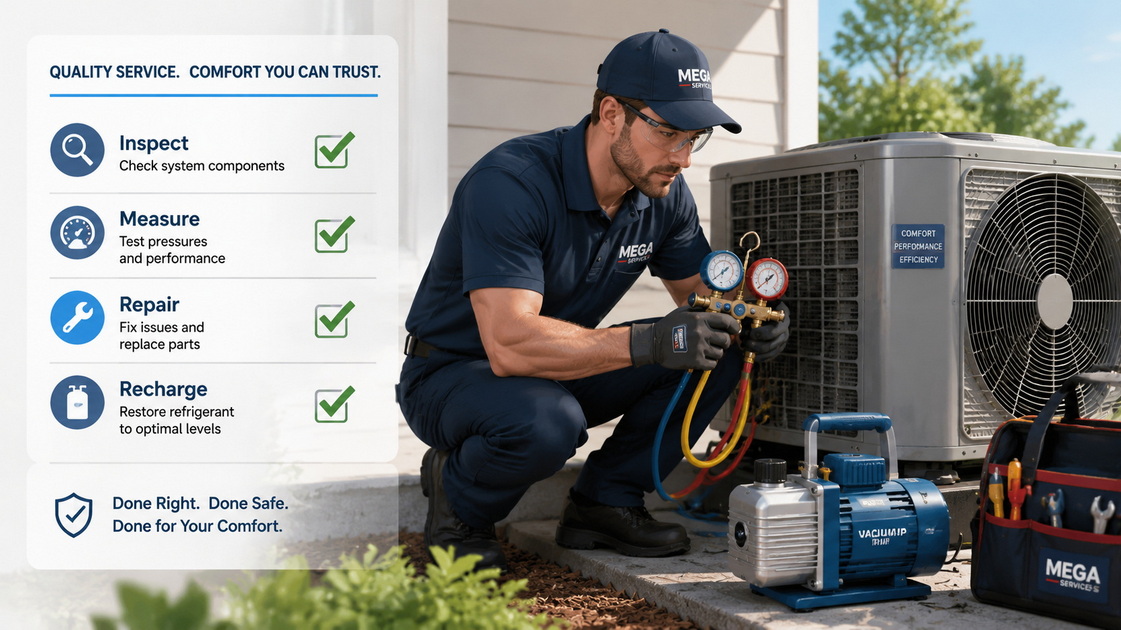
When our team at Mega Services Heating & Cooling is called to evaluate a suspected refrigerant issue, we follow a structured process:
1. Performance and airflow check: We verify filter condition, ductwork, blower operation, and thermostat settings, because poor cooling isn't always refrigerant-related. [thisoldhouse]
2. Visual inspection for ice, damage, and leaks: We examine refrigerant lines, coils, and the outdoor unit for frost, oil stains, corrosion, and mechanical damage. [bkvenergy]
3. System pressure and temperature measurements: Using gauges and temperature probes, we compare readings against manufacturer specifications to confirm whether refrigerant levels are truly low. [trane]
4. Leak detection methods: Depending on conditions, we may use electronic leak detectors, UV dye, or soap solutions to locate even small leaks. [carrier]
5. Leak repair or component replacement: Once the source is found, we repair joints, replace damaged sections, or recommend coil replacement when necessary. [bkvenergy]
6. Evacuation and vacuum: After the repair, we evacuate air and moisture from the system using vacuum equipment to protect internal components. [youtube]
7. Precise refrigerant charge by weight: Finally, we add the correct amount of refrigerant specified by the manufacturer, restoring proper operation. [youtube]
From the homeowner's viewpoint, this might look like a "simple recharge," but behind the scenes it is a carefully controlled procedure designed to preserve safety and performance. [americanstandardair]
An overcharged system can be just as harmful as an undercharged one, causing unstable pressures, poor cooling, and compressor stress. Professional tools and training allow us to hit the optimal charge range, which maximizes comfort, reduces run times, and helps extend the life of the equipment. [trane]
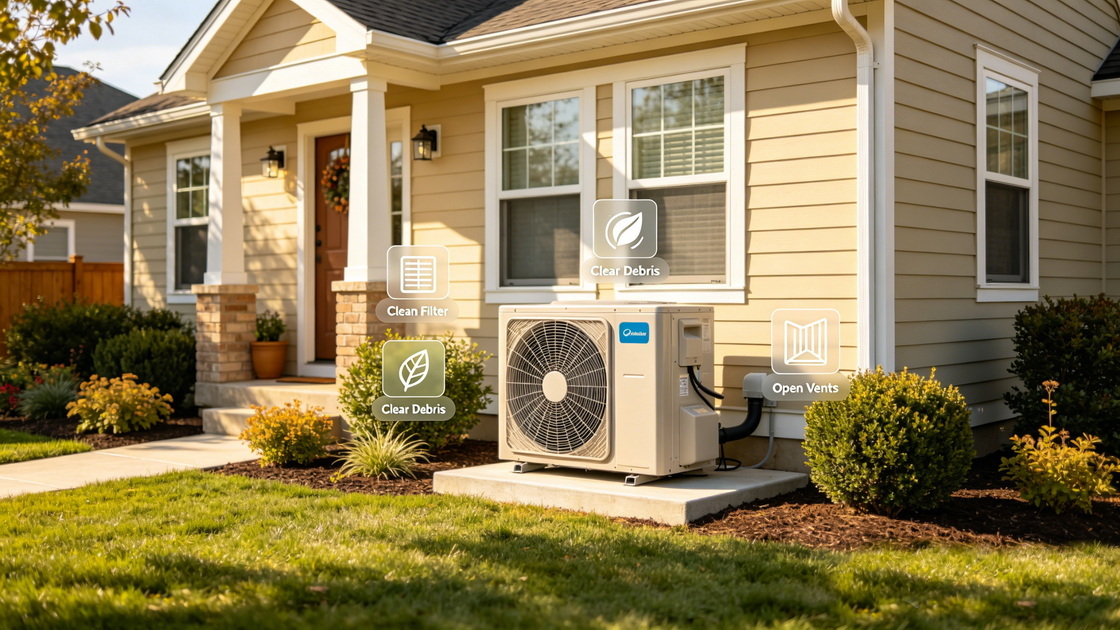
While handling refrigerant itself requires a professional, there are several maintenance habits every homeowner can adopt:
- Change or clean air filters regularly: Clean filters support proper airflow and reduce strain on the system; many experts recommend checking them monthly during peak seasons. [youtube]
- Keep outdoor units clean and unobstructed: Removing debris, trimming vegetation, and ensuring at least 18–24 inches of clearance around the unit helps it dissipate heat effectively. [thisoldhouse]
- Check for unusual sounds or odors early: Reporting hissing, burning smells, or persistent noise quickly can prevent minor issues from becoming major failures. [youtube]
- Inspect condensate drains for clogs: Keeping the drain line clear helps avoid water damage and humidity problems inside the home. [energystar]
From my experience, homeowners who adopt these habits see fewer emergency breakdowns, more stable indoor comfort, and lower lifetime operating costs. [bkvenergy]
Energy efficiency programs and major manufacturers recommend timing maintenance before peak heating and cooling seasons. Aligning your inspections with spring and fall makes preventive work easier to schedule and ensures your system is ready when extreme temperatures arrive. [youtube]
When refrigerant levels are incorrect, the system needs longer cycles to move the same amount of heat, which increases electricity use. In homes I've visited, a single summer of operating with a poorly charged system has added significant, avoidable costs to utility bills, especially during heatwaves. [energystar]
Once leaks are repaired and refrigerant is balanced, homeowners often report more stable temperatures, fewer hot spots, and noticeable drops in monthly expenses. The recharge is therefore not just about cooling—it's a key piece of a broader comfort and energy strategy. [carrier]
Alongside refrigerant work, I often recommend:
- Using programmable or smart thermostats to avoid overcooling while away from home. [thisoldhouse]
- Keeping blinds or shades closed during the hottest hours to reduce solar heat gain. [bkvenergy]
- Ensuring supply vents and returns remain open and unobstructed by furniture or rugs. [youtube]
These simple steps make any professional recharge more effective by supporting consistent, balanced system performance. [trane]
If you notice warm air, ice on lines, persistent hissing, or steadily climbing electricity bills, it's time to have your cooling system evaluated by a qualified technician. Persistent symptoms rarely resolve on their own and often indicate developing issues that are easier to correct sooner rather than later. [applianceteacher]
From a technician's perspective, early, thorough diagnosis is the difference between a targeted repair and a full system replacement. Taking action promptly helps protect your home's comfort, your system's health, and your long-term budget. [americanstandardair]
A system with low refrigerant often runs longer and still struggles to cool, while a dirty filter typically causes reduced airflow, uneven room temperatures, and sometimes noise from the return. A professional can measure pressures and temperatures to distinguish between these causes accurately. [amberairconditioning]
No; in a sealed system, refrigerant should not need regular replacement, so recurring top-ups usually point to unresolved leaks. Investigating and repairing the leak is a more effective and economical long-term solution than repeated recharges. [carrier]
While most leaks occur outside the living space, severe failures can contribute to moisture problems or equipment malfunction that indirectly affect comfort and humidity. That's another reason technicians take leak detection and system integrity so seriously during service calls. [trane]
Many industry resources recommend at least annual checkups, with additional inspections before extreme seasonal demands, to catch problems early. Regular maintenance helps verify refrigerant balance, coil cleanliness, and overall system performance before peak usage. [youtube]
Modern equipment offers better efficiency and tighter manufacturing tolerances, but any system can develop leaks due to age, installation quality, or environmental factors. Consistent professional maintenance remains essential for keeping refrigerant circuits sealed and performance optimized. [carrier]
1. One Hour Heating & Air Conditioning. "Need a Home Air Conditioner Recharge? Call a Professional." December 26, 2023. https://www.onehourheatandair.com/expert-tips/air-conditioners/need-a-home-air-conditioner-recharge-call-a-prof/
2. ENERGY STAR. "Maintenance Checklist." https://www.energystar.gov/saveathome/heating-cooling/maintenance-checklist
3. American Standard Air. "HVAC Maintenance Tips." https://www.americanstandardair.com/resources/maintenance/
4. This Old House. "9 Air Conditioner Maintenance and Care Tips." https://www.thisoldhouse.com/heating-cooling/air-conditioner-maintenance-tips
5. Trane Residential. "Central AC Maintenance: Routine Tasks and Tips." https://www.trane.com/residential/en/resources/maintenance-tips/air-conditioners/
6. Trane Residential. "What Is a Home AC Recharge and Do I Need One?" https://www.trane.com/residential/en/resources/glossary/what-is-a-home-ac-recharge/
7. Carrier Residential. "Home AC Recharge Vs. System Repair." https://www.carrier.com/us/en/residential/hvac-resources/air-conditioners/home-ac-recharge/
8. Amber Air Conditioning. "Does My Air Conditioner Need to Be Recharged?" https://www.amberairconditioning.com/blog/does-my-air-conditioner-need-to-be-recharged/
9. ApplianceTeacher. "5 Signs Your Air Conditioner Needs a Recharge." https://applianceteacher.com/signs-your-air-conditioner-needs-a-recharge
10. BKV Energy. "Complete AC Maintenance Checklist for Central Air & Window Units." https://bkvenergy.com/blog/ac-maintenance-checklist/


