
Views: 222 Author: Loretta Publish Time: 2026-02-22 Origin: Site


Content Menu
● What Causes Germs to Accumulate in Your AC?
>> Key Germ “Hot Spots” Inside an AC
>> Why This Matters for Your Health
● How Often Should You Maintain Your AC to Control Germs?
● 1. Change Your Air Filter Often (First Line of Defense)
>> Why Regular Filter Changes Matter
>> How to Optimize Your AC Air Filter
● 2. Have Your Air Ducts Professionally Cleaned
>> Signs Your Ducts May Be Contributing to Germ Buildup
>> Benefits of Professional Duct Cleaning
● 3. Install a UVC or UVGI Air Purifier Inside the System
>> Benefits of UV Treatment in Your AC
● 4. Keep Your Coils Clean to Prevent Biofilm and Mold
>> Why Coil Cleaning Is Essential
>> What Proper Coil Cleaning Includes
● 5. Prevent Germs in the Condensate Drain Pan and Drain Line
>> Risks of a Dirty or Clogged Drain System
>> How Professionals Control Germs in Drain Systems
● 6. Schedule Regular AC Maintenance and Repairs
>> What a Professional Maintenance Visit Typically Includes
>> Benefits for Your Home and Health
● 7. Improve Filtration and Ventilation for Cleaner Indoor Air
>> Key Strategies from Recent Guidance
>> Simple Steps Homeowners Can Take
● 8. Simple Daily Habits to Reduce Germs in Your AC and Home
● 9. Recommended Maintenance Checklist to Prevent Germs in Your AC
● When to Call a Professional Immediately
● Take Control of Germs in Your AC Today
● Frequently Asked Questions (FAQ)
>> 1. Can my AC spread viruses and bacteria through my home?
>> 2. How do I know which air filter is best for my system?
>> 3. Are UV lights in HVAC systems safe?
>> 4. How often should I have my air ducts cleaned?
>> 5. Can I clean AC coils or drain lines myself?
As more families rely on air conditioning for year-round comfort, a poorly maintained AC can quietly circulate germs, allergens, and mold through your entire home. This guide explains how to prevent germs from accumulating in your AC, improve indoor air quality, and keep your system efficient and safe.

Germs accumulate in air conditioners when moisture, dust, and organic particles build up on filters, coils, and inside drain lines, creating an ideal breeding ground for bacteria, mold, and fungi. Once these contaminants form biofilm layers, normal airflow can dislodge particles and spread them into your living spaces.
- Filters clogged with dust, pet dander, and pollen.
- Wet evaporator coils where condensation lingers and supports microbial growth.
- Condensate drain pans and drain lines that stay damp, allowing bacteria, algae, and mold to thrive.
- Supply registers and grilles where dust and spores can collect and then blow into occupied rooms.
- Respiratory irritation: Bacteria, mold spores, and endotoxins from Gram-negative bacteria can aggravate allergies, asthma, and other breathing problems.
- Headaches and fatigue: Poor indoor air quality is linked to symptoms such as headaches, eye irritation, and general discomfort.
- Higher infection risk: When ventilation and filtration are inadequate, viruses and other airborne pathogens can linger longer in indoor air.
Regular maintenance is the most effective way to prevent germs from accumulating in your AC and ductwork. A consistent schedule keeps critical components clean and ensures air is filtered and circulated properly.
- Air filter changes: Every 1-3 months, more often if you have pets or allergies.
- Professional AC tune-up and cleaning: At least once a year, ideally before peak cooling season.
- Duct inspection and cleaning: Every few years or sooner if there are visible signs of dust buildup, mold, or pest activity.
If you're unsure how often your home needs service, a licensed HVAC professional can tailor a maintenance plan to your home's size, usage patterns, and local climate.
Your AC's air filter is the primary barrier between airborne contaminants and your lungs. It captures dust, pollen, pet dander, mold spores, and other particles that can otherwise accumulate inside your system and recirculate through your home.
- A clean filter reduces the amount of germs and allergens that reach coils and ductwork.
- A clogged filter restricts airflow, forcing the system to work harder and potentially lowering indoor air quality.
- Some high-efficiency filters can capture very small particles, including a portion of bacteria and virus-containing aerosols.
- Choose a filter with the highest MERV rating your system can safely handle, as recommended by a professional.
- Replace standard filters every 30 days during heavy use or every 60-90 days for lighter use.
- Mark replacement dates on your calendar or set a phone reminder so you don't forget.
Over time, dust, food particles, pet hair, and even pest droppings can accumulate inside your ductwork. When your AC runs, air passes through these ducts and may carry loosened particles and contaminants into every room.
- Visible dust streaks or dark deposits around supply registers and vents.
- Musty or unpleasant odors when the system turns on.
- Increased allergy or respiratory symptoms when you spend time indoors.
- Thorough removal of dust, debris, and contaminants from your duct interior.
- Reduced recirculation of allergens and microbial particles into occupied spaces.
- Better overall airflow and system efficiency when ducts are unobstructed.
Ultraviolet germicidal irradiation (UVGI) uses UV-C light to inactivate bacteria, viruses, and mold inside HVAC systems. When installed correctly, UV lamps can continuously treat the surfaces where germs are most likely to grow.
- UV-C light damages microorganisms' DNA or RNA so they can no longer reproduce.
- Lamps are typically installed near the evaporator coil or in the supply plenum to treat air and surfaces as air passes by.
- UV systems are designed as a supplement to, not a replacement for, proper filtration and ventilation.
- Helps control microbial growth on coils, drain pans, and nearby surfaces.
- Can reduce the microbial load in the air stream when paired with good filtration.
- Often improves system cleanliness, which can support more consistent cooling performance.
Always have UV systems selected and installed by qualified HVAC professionals to ensure correct sizing, safe placement, and proper electrical connections.
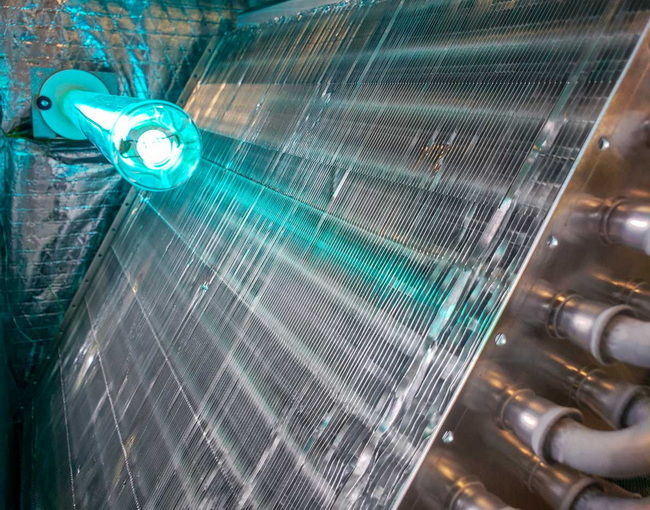
Evaporator and condenser coils handle heat exchange and collect moisture during normal operation, making them prime locations for biofilm and microbial growth. Even a very thin layer of dirt on coils can significantly reduce cooling efficiency.
- Wet coils can harbor bacterial communities and biofilms that release particles back into the airstream.
- Field studies have found bacteria such as Pseudomonas and Staphylococcus on coils and related components.
- Dirt buildup on coils can reduce efficiency and increase energy use, raising your utility bills.
- Removing surface dust and debris with appropriate tools and cleaners.
- Applying coil-safe cleaning solutions that target biofilm and organic buildup where needed.
- Ensuring the condensate pan and drain are clear so that water does not pool around the coil.
Because coils are delicate and often hard to reach, coil cleaning is best done as part of professional preventive maintenance.
Your AC removes humidity from indoor air and collects it in a drain pan, then directs water outside through a drain line. This dark, moist environment can quickly support bacteria, algae, and mold growth if not maintained.
- Standing water in the pan is a breeding ground for microorganisms.
- Blocked drain lines can cause water backups, leaks, and mold growth around the air handler.
- Some germs and spores from the drain area can be released into the air stream and distributed indoors.
- Inspect and clean the condensate pan to remove sludge, slime, and visible growth.
- Flush drain lines and, where appropriate, use treatments that help inhibit further microbial buildup.
- Verify that the drain line is properly sloped and discharging correctly outside the home.
Routine professional maintenance is one of the most effective long-term strategies to keep germs from accumulating in your AC. Technicians can identify dirty components, airflow issues, and moisture problems before they turn into serious contamination or system failures.
- Inspecting and cleaning coils, drain pans, and accessible ductwork sections.
- Checking filter fitment, air pressure, and airflow to ensure proper filtration.
- Verifying electrical connections, refrigerant levels, and controls for safe and efficient operation.
- Lower risk of hidden mold and bacterial growth in hard-to-reach system areas.
- More consistent indoor comfort, better air quality, and improved energy efficiency.
- Fewer unexpected breakdowns during peak heating or cooling seasons.
Beyond the AC unit itself, overall ventilation and filtration levels in your home strongly influence airborne germ levels. Modern guidance emphasizes a multi-layered approach that combines ventilation, filtration, and air cleaning technologies.
- Increase clean air delivery where feasible, aiming for multiple air changes per hour of clean air in occupied spaces.
- Upgrade HVAC filters to the highest MERV rating your system can support without restricting airflow.
- Use portable HEPA air cleaners in key rooms as an additional layer of filtration if needed.
- Use kitchen and bathroom exhaust fans to remove moisture and pollutants during and after use.
- When outdoor conditions allow, open windows periodically to dilute indoor contaminants.
- Consider adding UVGI or other professionally recommended air cleaning devices to your central system.
Even small daily routines can help your AC work cleaner and reduce germ accumulation throughout your home.
- Keep supply and return vents unblocked by furniture, curtains, or clutter to maintain good airflow.
- Dust registers and grilles regularly with a soft brush or vacuum to prevent buildup.
- Control indoor humidity with your AC, dehumidifiers, and exhaust fans to discourage mold growth.
- Avoid using ozone-generating "air cleaners," which can irritate lungs and do not replace proper ventilation or filtration.
By combining these daily habits with professional maintenance, you create a cleaner, safer environment for your family.
Use this checklist as a quick reference to keep your AC system cleaner and healthier over the long term.
Task | Recommended Frequency | Germ-Control Benefit |
Replace standard air filter | Every 1-3 months | Reduces dust, allergens, and microbial load entering system. |
Professional AC tune-up | At least annually | Identifies and fixes moisture, dirt, and airflow issues before they worsen. |
Coil inspection and cleaning | Annually or as needed | Limits biofilm and microbial growth on wet surfaces. |
Drain pan and line cleaning | At least annually | Prevents standing water, bacteria, and mold in drain areas. |
Duct inspection and cleaning | Every few years | Reduces recirculation of dust, spores, and debris through vents. |
UVGI/UV system check | Annually | Ensures UV lamps are operating effectively for germ control. |
Some signs suggest your AC may already be harboring significant microbial growth and should be checked promptly.
- Persistent musty or “dirty sock” smells coming from vents.
- Visible mold around vents, on the air handler, or near condensate lines.
- Frequent or unexplained allergy, asthma, or respiratory flare-ups at home.
- Water leaks, stains, or damp areas around your indoor unit or attic system.
If you notice any of these conditions, contact a licensed heating and cooling specialist to inspect the system, recommend corrective actions, and help restore clean, healthy airflow.
A properly maintained AC system not only cools and heats your home—it also plays a crucial role in protecting your indoor air quality and your family's health. By combining routine filter changes, professional cleaning, UV treatment, and smart ventilation strategies, you can dramatically reduce germs accumulating in your AC and circulating through your living spaces.
Ready to breathe easier? Contact Mega Services Heating & Cooling today for a comprehensive AC inspection, germ prevention tune-up, and personalized maintenance plan.
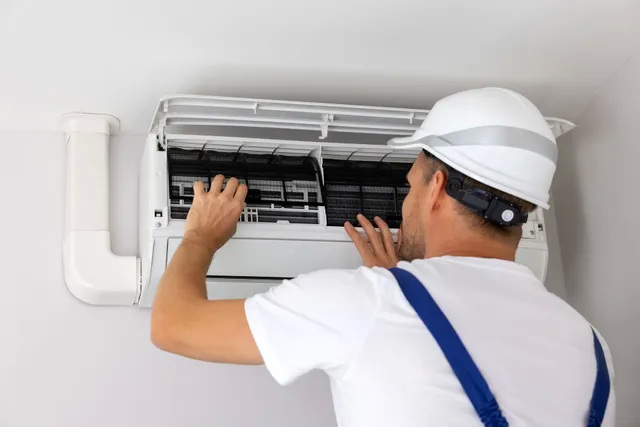
Your AC can help move virus- and bacteria-containing particles from one room to another if filtration and ventilation are inadequate. Upgrading filters, improving ventilation, and adding UVGI or other air cleaning technologies can significantly reduce this risk.
Filters are rated by MERV, which indicates their ability to capture different particle sizes. A professional can recommend the highest MERV rating your system can handle without causing airflow problems.
When properly installed inside HVAC equipment, UV-C systems are designed to be contained and not directly expose occupants to UV light. They should always be selected, installed, and serviced by trained professionals to ensure safety and performance.
Most homes benefit from duct inspections every few years, with cleaning performed when significant dust, debris, or microbial contamination is present. Homes with pets, allergy sufferers, or prior water damage may need more frequent attention.
Basic tasks like replacing filters and gently cleaning vent covers are usually safe for homeowners. Coil cleaning, drain pan service, and internal component disinfection should be left to professionals to avoid damage and ensure thorough, safe work.
1. https://acmaxtech.com/health-information/
2. https://www.aiha.org/news/241107-epa-updates-ventilation-guidance-to-prevent-virus-spread
3. https://www.ductcleaningaz.com/blog/ac-register-cleaning-tactics-to-avoid-build-up
4. https://pmc.ncbi.nlm.nih.gov/articles/PMC9697849/
5. https://www.facilitiesdive.com/news/epa-environmental-protection-agency-indoor-air-quality-guidance-ventilation-hvac/731887/
6. https://www.a1finchum.com/post-titledfe34fb578e09243
7. https://iflo.com/blogs/ac-education/the-hidden-health-hazard-in-your-a-c-drain-line-and-how-to-fix-it
8. https://ebtron.com/epa-cdc-ashrae-standard-241/
9. https://indoortemp.com/resources/6-ways-to-prevent-illness


