
Views: 222 Author: Loretta Publish Time: 2026-03-23 Origin: Site


Content Menu
● Living with a Failing AC System in Haggstown
● How Haggstown Homeowners and Businesses Really Choose AC Replacement Companies
>> The Human Side: Stress, Risk, and Trust
>> The Practical Side: First Filters People Use
● Professional Criteria for Ranking AC Replacement Companies in Haggstown
>> 1. Technical Accuracy and Correct System Sizing
>> 2. Safety, Code Compliance, and System Design Quality
>> 3. Customer Experience from First Contact to Follow‑Up
>> 4. Transparent Pricing, Options, and Scope
>> 5. Long‑Term Support: Maintenance and Warranty Management
● Real‑Style Customer Scenarios: What a Good Company Changes in Everyday Life
>> 1: Replacing a 15‑Year‑Old System in a Family Home
>> 2: A Café Owner Who Could Not Afford Downtime
>> 3: First‑Time Homebuyers Concerned About Hidden Costs
● Which Type of Haggstown AC Company Fits You Best?
● Detailed Look at the AC Replacement Process in Haggstown
>> Step 1: On‑Site Assessment and System Evaluation
>> Step 2: Load Calculation and Tailored System Selection
>> Step 3: Proposal, Scope Definition, and Scheduling
>> Step 4: Safe Removal and Precise Installation
>> Step 5: Testing, Commissioning, and User Training
● How AC Replacement Affects Energy Bills and Daily Comfort
>> Realistic Expectations for Energy Savings
>> Comfort Beyond Just Temperature
● Using Reviews and Professional Insight Together
>> What to Focus on in Reviews
>> Simple Three‑Step Approach to Choosing a Company
● Clear Call to Action for Haggstown Homes and Businesses
● FAQ: AC Replacement and Service Decisions in Haggstown
>> FAQ 1: How can I tell whether I should repair or replace my AC?
>> FAQ 2: What should be included in a professional AC replacement quote?
>> FAQ 3: How long does a typical residential AC replacement take in Haggstown?
>> FAQ 4: Will a new AC system automatically reduce my energy bills?
>> FAQ 5: Why choose a provider that services both heating and cooling?
As an HVAC professional serving Haggstown families and small businesses, I've seen firsthand how the right air conditioning replacement servicing company can transform a home or storefront from barely tolerable to consistently comfortable and efficient. Choosing that company is not just about price; it is about safety, system design, long‑term costs, and how well the installer understands your daily reality in Haggstown's climate. This guide breaks down real‑style customer experiences, expert ranking criteria, and practical steps so homeowners and B2B clients can make confident, informed decisions.

Many Haggstown homes rely on air conditioners that are 12–15 years old or more. They still run, but:
- Bedrooms stay warm even when the thermostat is set low.
- The system cycles on and off constantly.
- Energy bills climb year after year.
From a technician's viewpoint, this is the critical phase where decisions about which company you call and how they evaluate your needs will determine whether your next system delivers a decade of quiet, efficient comfort—or a pattern of recurring issues. For B2B clients, such as cafés or retail shops, these decisions directly affect customer satisfaction and daily revenue.
Most people in Haggstown replace their HVAC systems only once or twice in their lives. They are not HVAC specialists, and they are understandably worried about:
- Overpaying for features they do not need.
- Being pressured into a quick decision.
- Hidden costs appearing after the work starts.
What they truly want is:
- Clear, plain‑language explanations.
- Transparent, written quotes that match the final bill.
- Confidence that the company will stand behind its work.
Before committing, homeowners and businesses typically look at:
- Online ratings and detailed written reviews.
- How fast the company responds to calls or web inquiries.
- Whether the company emphasizes safety, comfort, and energy savings rather than just discounts.
Companies like Mega Services Heating & Cooling, which focus on installation, repair, and maintenance for both air conditioning and heating while explicitly aiming to create safe, comfortable, and energy‑efficient environments, naturally appeal to clients who think beyond a one‑time installation.
From a specialist's standpoint, a truly top‑tier air conditioning replacement servicing company must perform well across several key dimensions that go far deeper than star ratings or catchy slogans.
System sizing is not guesswork. A leading company will:
- Perform a formal load calculation instead of simply matching the old unit's size.
- Assess insulation levels, window exposure, occupancy patterns, and local weather.
- Explain in simple terms why a particular tonnage and efficiency level fits your property.
If a representative only glances at the old unit and proposes "the same size again" without questions, that suggests a shortcut approach that can undermine comfort and efficiency.
High‑quality work protects both people and property. A serious AC replacement provider will:
- Verify electrical capacity and breaker sizing for the new equipment.
- Handle refrigerants properly in line with environmental and safety regulations.
- Use correctly sized and routed refrigerant lines.
- Evaluate ductwork for adequate airflow and return paths.
These details matter for homes and are even more critical for commercial spaces where occupancy and equipment loads can be higher.
From the first interaction, you should notice:
- Quick, professional responses to calls and messages.
- Technicians who arrive on time and carry out thorough inspections.
- Staff who listen carefully to concerns about noise, hot and cold spots, and prior issues.
Providers such as Mega Services Heating & Cooling, which frame their mission around long‑term comfort and efficiency, tend to build their internal processes around this end‑to‑end experience, including follow‑up calls or visits after installation.
A leading Haggstown AC replacement company will:
- Present a written, itemized proposal, not a vague lump sum.
- Offer several system options at different investment levels, with clear explanations.
- Specify everything included: permits, removal of old equipment, thermostat, ductwork changes, and any necessary electrical work.
Clients—especially B2B buyers used to structured procurement—should never feel pushed into a same‑day decision or left guessing what the final invoice will cover.
The real performance of a system is measured over years, not hours. The best companies:
- Offer structured maintenance plans to keep systems efficient and reliable.
- Register warranties correctly and review coverage details with you.
- Provide priority service or discounted repairs for maintenance plan members.
For homeowners and businesses alike, working with a provider that supports both cooling and heating systems simplifies planning and reduces risk.
The following scenarios are composite cases based on patterns commonly seen in Haggstown. They illustrate the kinds of outcomes a well‑chosen AC replacement company can deliver.
A family in Haggstown, with an upstairs often several degrees warmer than the main floor, had a 15‑year‑old system that needed frequent repairs. After calling a reputable company, the technician:
- Checked airflow in each room, not just equipment labels.
- Inspected attic ductwork for air leaks and poor insulation.
- Ran a load calculation to confirm the correct system capacity.
The approved solution combined a modern high‑efficiency system with focused duct sealing and insulation improvements. After installation, temperature differences between floors dropped, noise levels decreased, and energy bills improved. That result depended on design and installation, not just hardware.
A café in the Haggstown area relied on a cool, comfortable interior to keep customers coming in all summer. The existing AC was unreliable and noisy. The owner needed a fast, carefully scheduled replacement. A responsive contractor:
- Arranged the replacement for a low‑traffic day and off‑hours.
- Brought enough technicians to complete the project within a tightly coordinated window.
- Verified performance before opening, with the system running and the space at a stable temperature.
The café avoided major disruption, and customers noticed the quieter, more comfortable environment immediately.
A young couple buying their first home was advised during inspection that the existing AC was near the end of its life. Worried about budget and unexpected expenses, they asked pointed questions about estimates and scope. A customer‑focused company:
- Provided an itemized quote showing equipment, labor, and any potential contingencies.
- Clarified which conditions would trigger extra costs, such as hidden duct damage.
- Scheduled a walkthrough after installation to confirm satisfaction.
Instead of feeling pressured, they felt informed and in control, with a clear understanding of their new system and maintenance responsibilities.
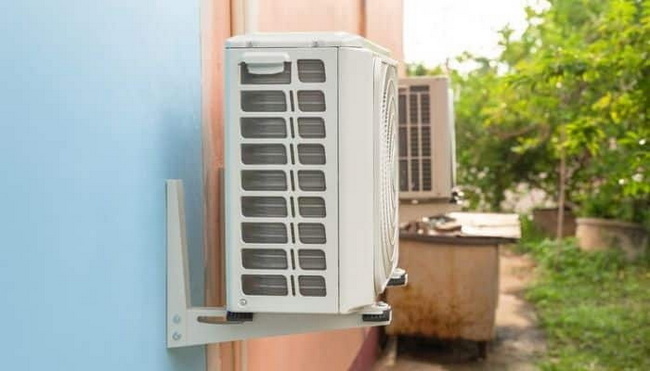
For clarity and B2B‑friendly evaluation, it helps to think in terms of service profiles rather than specific brand names.
| Company Profile Type | Ideal Client Type | Key Strengths |
|---|---|---|
| Full‑service comfort partner (e.g., Mega Services Heating & Cooling) | Families and businesses wanting long‑term reliability | Balanced focus on AC & heating, strong maintenance and follow‑up |
| Rapid‑response specialist | Cafés, retail, mission‑critical spaces | Fast dispatch, off‑hours replacement |
| Budget‑focused installer | Highly price‑sensitive homeowners | Clear entry‑level systems, tiered pricing options |
| High‑efficiency and smart‑control expert | Tech‑savvy clients, long‑term planners | Advanced equipment, smart thermostat integration |
| Maintenance‑centric provider | Clients wanting predictable ownership costs | Structured tune‑ups, proactive issue detection |
When positioning Mega Services Heating & Cooling, you can highlight that you operate primarily as a full‑service comfort partner while covering rapid response, high‑efficiency solutions, and comprehensive maintenance programs.
Many guides mention installation in passing but rarely show what actually happens from start to finish. A transparent process reduces uncertainty and builds trust.
A qualified technician will typically:
1. Inspect the existing indoor and outdoor units and their condition.
2. Examine ductwork, registers, and returns for sizing and layout.
3. Check electrical panels, disconnects, and grounding for safety and adequacy.
4. Ask about comfort problems, noise complaints, and recent energy bills.
This phase is about understanding the building as a system—not just swapping equipment.
Using industry‑standard methods, the contractor will:
- Calculate the cooling load based on square footage, insulation, window area, and orientation.
- Discuss efficiency ratings and how they affect operating costs over time.
- Present a limited set of options (for example, "good, better, best") with clear pros and cons.
The goal is to match the system to the building's physical characteristics and the owner's budget and comfort expectations.
Next, the provider should:
- Present a detailed written proposal describing exactly what will be done.
- Highlight any duct modifications, thermostat changes, or ventilation improvements.
- Coordinate installation dates that minimize disruption to household routines or business operations.
This is also the time to clarify payment terms, warranty details, and maintenance program options.
On installation day, best practice includes:
- Protecting interior areas with drop cloths and careful work habits.
- Safely recovering and disposing of refrigerant from the old system.
- Installing the new equipment, connecting refrigerant lines, securing electrical connections, and verifying condensate drainage.
- Adjusting or sealing ductwork when required to achieve proper airflow.
A well‑organized crew will work efficiently without cutting corners, which is critical for long‑term reliability.
Before leaving the site, the technician should:
- Test the system under normal operation and confirm temperature and airflow performance.
- Verify that controls, including the thermostat or building automation interface, work as intended.
- Show the homeowner or facility manager how to operate the system, change filters, and recognize early warning signs of trouble.
Companies committed to long‑term relationships, such as Mega Services Heating & Cooling, typically emphasize this handover step and encourage clients to ask questions.
Replacing an older, low‑efficiency unit with a properly sized modern system can reduce electricity use significantly over a full cooling season. Key contributors include:
- More efficient compressors and fan motors.
- Better staging or variable‑speed operation that avoids constant short cycling.
- Improved system control through programmable or smart thermostats.
While the exact savings vary by building and usage patterns, the overall effect is often tangible in monthly billing statements.
Comfort involves more than just hitting a setpoint:
- Humidity control: Properly sized systems run long enough to remove moisture effectively, which can make a space feel cooler at higher temperatures.
- Noise reduction: Modern outdoor units and indoor blowers are typically designed to run more quietly, which improves both residential and commercial environments.
- Balanced airflow: Addressing ductwork issues during replacement can eliminate chronically hot or cold rooms.
A company that talks about safety, comfort, and efficiency as a combined goal is usually paying attention to these details, not just equipment specifications.
Instead of relying purely on ratings, it helps to read reviews for specific signals:
- Comments about punctuality and respect for property.
- Stories describing how unexpected issues were handled.
- Feedback on whether the final invoice matched the estimate.
- Mentions of follow‑up visits or responsive support after installation.
These concrete details reveal more about service quality than a star rating alone.
You can use a straightforward method to select the right AC replacement provider in Haggstown:
1. Shortlist two or three companies with consistently detailed, positive reviews.
2. Ask each one how they handle load calculations, ductwork evaluation, and permitting.
3. Compare not just pricing but also the thoroughness of their proposals, warranty terms, and maintenance options.
The company that communicates clearly, asks informed questions, and offers robust long‑term support is generally the safest choice.
If your air conditioner in Haggstown is:
- More than a decade old,
- Struggling to keep spaces consistently comfortable, or
- Driving energy costs higher every season,
it is wise to schedule a professional evaluation rather than waiting for a complete failure. Reach out to a trusted air conditioning replacement servicing company—such as Mega Services Heating & Cooling—to arrange an on‑site assessment. A focused visit can provide clear options, realistic budgets, and a roadmap to safer, quieter, and more energy‑efficient comfort for your home or business.
Contact Mega Services Heating & Cooling today!
If your system is older, frequently breaking down, or failing to maintain comfort despite proper maintenance, replacement is often more economical than repeated repairs. A qualified technician can compare projected repair costs with the benefits of a modern system and help you decide.
A reliable quote should list equipment, labor, permits, removal of old equipment, any duct modifications, thermostat upgrades, and potential contingencies. This level of detail helps you compare companies fairly and avoid unexpected charges.
Most standard residential AC replacements can be completed in one working day, although more complex projects involving duct changes or electrical upgrades may take longer. A professional contractor will provide a realistic schedule during the proposal stage.
A new, correctly sized and properly installed system is often more efficient than an older, degraded one, which can lead to lower energy consumption. Actual savings depend on factors such as thermostat settings, insulation, and ductwork condition.
Using a single provider for both heating and cooling simplifies system design, maintenance, and future upgrades. It also helps ensure that your comfort and energy efficiency strategy is coordinated across all seasons, which is especially important for homes and businesses that operate year‑round.
1. U.S. Department of Energy – Air Conditioning Basics and Energy Efficiency
https://www.energy.gov/energysaver/central-air-conditioning
2. U.S. Environmental Protection Agency – Guide to Energy‑Efficient Cooling and Heating
3. Air Conditioning Contractors of America (ACCA) – Manual J Residential Load Calculation Principles
4. ENERGY STAR – Heating and Cooling Product Guidance and Efficiency Tips
https://www.energystar.gov/products/heating_cooling
5. North American Technician Excellence (NATE) – Importance of Certified HVAC Technicians


