
Views: 229 Author: Mega Services Publish Time: 2026-08-09 Origin: Site


Content Menu
● Why Homeowners Replace HVAC Systems in Stages
● Real Case: From One System Upgrade to Whole-Home Comfort
>> Year 1: Downstairs HVAC System Replacement
>> Year 2: Attic HVAC System Upgrade
● Why System Consistency Matters in Multi-Zone Homes
● Expert Insight: When Should You Replace Your HVAC System?
>> Signs It's Time to Replace Your HVAC System
● Energy Savings and Cost Analysis
● Installation Quality: The Hidden Factor Behind HVAC Performance
● Step-by-Step HVAC Replacement Process
● Why Customers Choose Mega Services Heating & Cooling Again
● Service Areas: Maryland, Virginia, and DMV Region
● Upgrade Your Home Comfort Today
● FAQ: HVAC Installation and Replacement
>> 1. How long does HVAC system replacement take?
>> 2. Should I replace both HVAC systems at once?
>> 3. What is the best HVAC brand for Maryland homes?
>> 4. How can I reduce HVAC energy costs?
>> 5. How often should HVAC systems be serviced?
When it comes to HVAC installation, replacement, and maintenance in Maryland and the DMV area, real customer experiences often reveal more than any advertisement ever could. At Mega Services Heating & Cooling, repeat customers are not just a sign of satisfaction—they are proof of consistent performance, technical expertise, and long-term reliability.
This article shares a real case involving a returning client who upgraded both their downstairs and attic HVAC systems over two years. Along the way, we'll explore key decision factors, industry insights, and practical recommendations for homeowners considering air conditioning replacement or heating system upgrades in Maryland and Virginia.
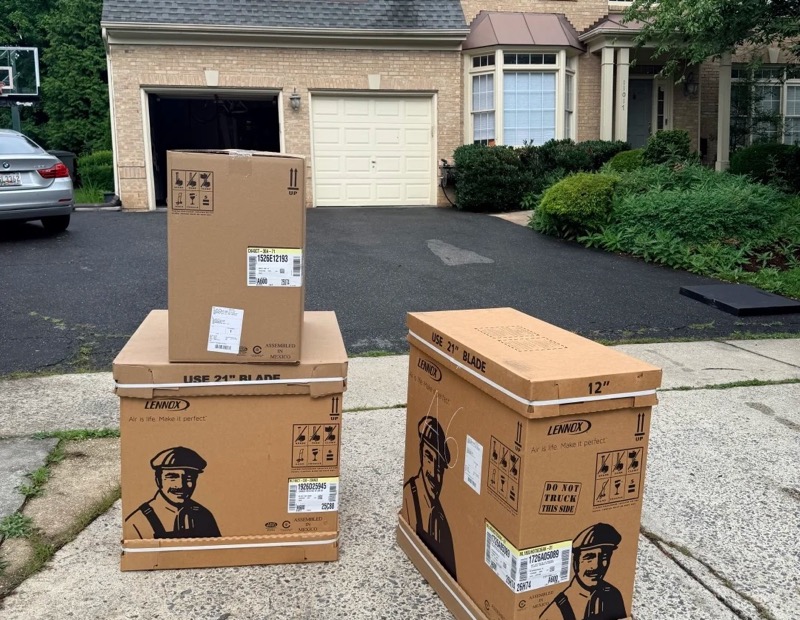
Many homes in the DMV region—especially multi-level houses—operate with two separate HVAC systems:
- One system for the main or lower floor
- One system installed in the attic for upper levels
In practice, these systems are rarely replaced at the same time. Instead, homeowners often follow a phased approach:
- Replace the system with higher failure rates first
- Upgrade based on budget and immediate comfort needs
- Evaluate performance before committing to a full-house upgrade
This was exactly the case for our client.
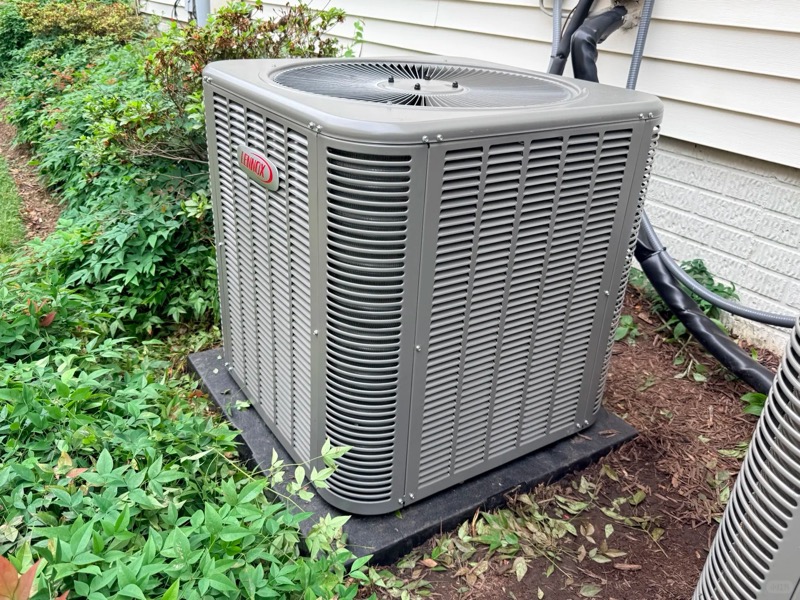
Last year, the homeowner contacted Mega Services Heating & Cooling for a failing downstairs unit. After evaluation, we recommended and installed a Lennox high-efficiency HVAC system.
Key improvements included:
- More consistent indoor temperature control
- Lower energy consumption
- Reduced system noise
- Improved air quality and airflow balance
After one full cooling and heating cycle, the customer reported a significant improvement in comfort and energy efficiency.
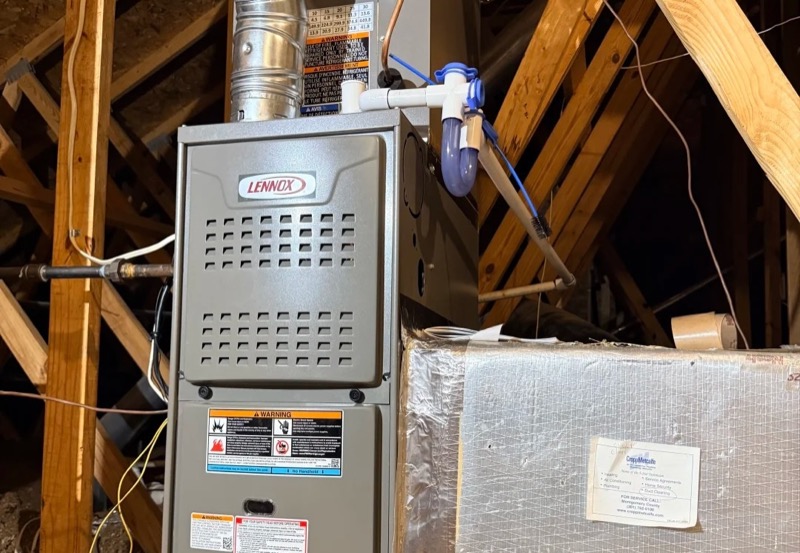
Impressed by both the equipment performance and installation quality, the same customer returned this year to upgrade their aging attic HVAC system.
This decision was not driven by marketing—but by real-world experience.
For this second phase, Mega Services:
- Installed a new Lennox system compatible with the existing setup
- Performed full system calibration and airflow balancing
- Conducted performance testing for both systems
- Ensured uniform comfort across all floors
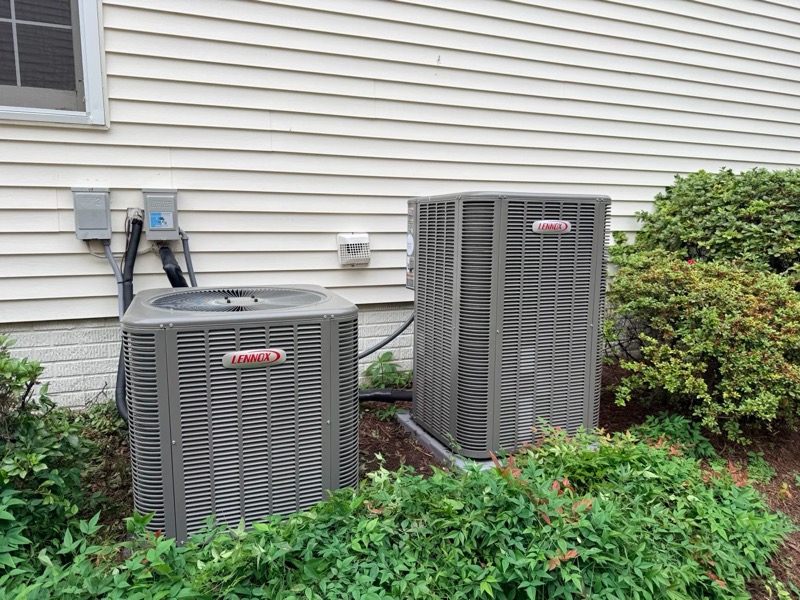
The result: a fully optimized dual-system home HVAC solution.
One of the most overlooked issues in homes with multiple HVAC systems is inconsistent system performance.
If systems differ significantly in:
- Efficiency ratings (SEER / AFUE)
- Age and wear
- Airflow capacity
It can lead to:
- Uneven temperatures between floors
- Higher energy bills
- Increased strain on newer systems
By upgrading both systems to matched performance standards, homeowners gain:
- Balanced temperature distribution
- Improved overall efficiency
- Reduced long-term maintenance costs
From an industry perspective, HVAC systems typically last:
- 10–15 years for air conditioners
- 15–20 years for furnaces
However, replacement timing depends on more than just age.
- Frequent breakdowns or repair costs exceeding 30% of replacement value
- Rising energy bills despite regular maintenance
- Uneven heating or cooling across rooms
- Excessive noise or poor airflow
- Use of outdated refrigerants (such as R-22)
In the case above, the attic system showed aging-related inefficiencies, making it a smart candidate for proactive replacement.
Upgrading to modern high-efficiency systems like Lennox can significantly reduce energy costs.
According to U.S. energy data:
- Upgrading from SEER 10 to SEER 16 can reduce cooling energy use by 30–40%
- High-efficiency furnaces can achieve 90%+ AFUE, compared to older systems at 70–80%
- Old system annual energy cost: $1,800
- New high-efficiency system: $1,100–$1,300
- Estimated savings: $500–$700 per year
Over time, this offsets installation costs while improving comfort.
Even the best HVAC system will underperform if installation is not done correctly.
Mega Services Heating & Cooling emphasizes:
- Precise load calculations (Manual J)
- Ductwork inspection and optimization
- Proper refrigerant charging
- System calibration and testing
In this case, the customer's satisfaction was largely due to installation precision—not just equipment quality.
For homeowners considering HVAC replacement in Maryland or Virginia, here's what a professional process should look like:
1. Initial Inspection
Evaluate existing system condition, ductwork, and home layout.
2. Load Calculation
Determine the correct system size based on square footage and insulation.
3. System Recommendation
Select equipment based on efficiency, budget, and home needs.
4. Installation
Remove old unit, install new system, connect ductwork and electrical components.
5. Testing & Calibration
Ensure proper airflow, refrigerant levels, and thermostat functionality.
6. Final Walkthrough
Educate homeowner on system operation and maintenance.
Repeat business is built on measurable results. In this case, the homeowner returned because of:
- Proven system performance over one full year
- Reliable and clean installation work
- Responsive communication and service
- Transparent recommendations without upselling
This reflects a broader trend in the HVAC industry:
Trust is earned through results, not marketing claims.
Mega Services Heating & Cooling provides:
- HVAC installation
- Air conditioning replacement
- Heating system repair and maintenance
- Energy efficiency upgrades
Service coverage includes:
- Maryland (MD)
- Virginia (VA)
- Greater DMV area
If your HVAC system is aging, inefficient, or struggling to keep up with seasonal demands, now is the time to act.
Contact Mega Services Heating & Cooling today for a professional evaluation and customized solution. Whether you need a full system replacement or a phased upgrade, our team ensures reliable performance, energy efficiency, and long-term comfort.
Most standard HVAC replacements take 1–2 days, depending on system complexity and ductwork modifications.
Not necessarily. Many homeowners replace systems in stages, especially if one system is still functioning well.
Brands like Lennox, Trane, and Carrier are widely recommended due to reliability and efficiency.
- Upgrade to high-efficiency systems
- Schedule regular maintenance
- Improve insulation and sealing
- Use programmable thermostats
At least twice a year—once before cooling season and once before heating season.
1. U.S. Department of Energy – Heating and Cooling Energy Efficiency https://www.energy.gov/energysaver/heating-and-cooling
2. ENERGY STAR – Air Conditioning Efficiency Standards https://www.energystar.gov/products/heating_cooling/air_conditioning
3. Lennox Official Product Information https://www.lennox.com
4. ASHRAE (American Society of Heating, Refrigerating and Air-Conditioning Engineers) https://www.ashrae.org
5. Original customer case content provided by Mega Services Heating & Cooling


