

R-22 Freon can make an air-conditioning repair unexpectedly expensive, especially for homeowners with older systems. This guide explains why R-22 costs more, why low refrigerant usually signals a leak, how to compare repair and replacement options, and what to expect from a professional HVAC assessment.
Read More
Compare air conditioning maintenance service options for Chesapeake homes. Learn what a complete AC tune-up should include, how to verify licenses and refrigerant credentials, which questions to ask before approving repairs, and how to choose a dependable long-term heating and cooling partner.
Read More
The federal deadline that once restricted installation of certain R-410A residential air-conditioning and heat-pump systems has changed. Eligible equipment manufactured or imported before January 1, 2025, may still be installed at the federal level, subject to inventory, state rules, local codes, and proper system matching. This guide explains what that means for homeowners considering HVAC repair or replacement.
Read More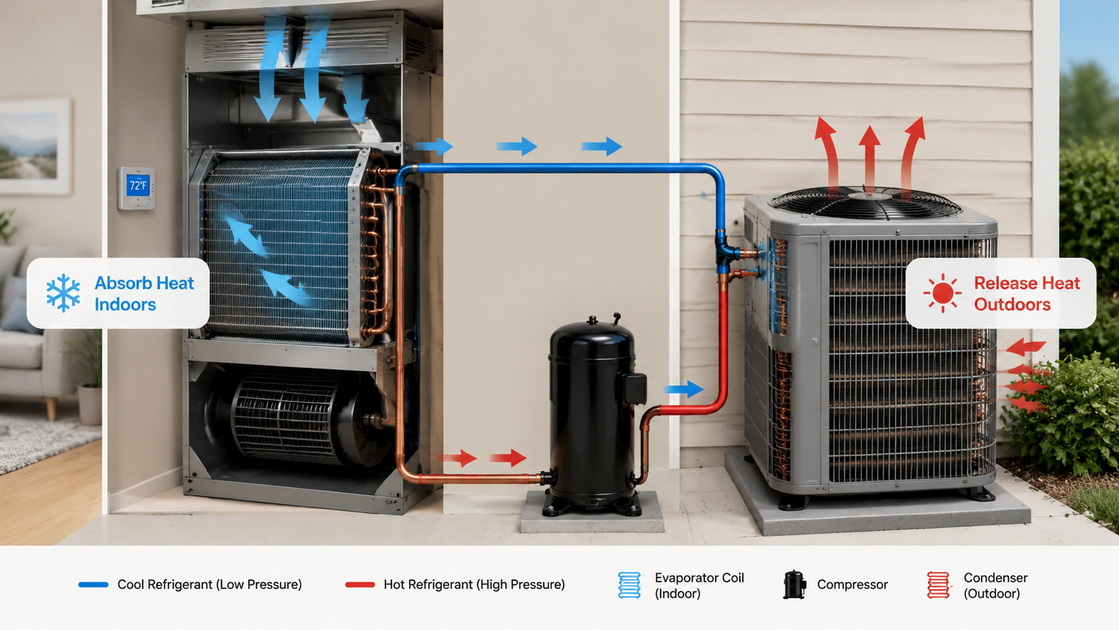
Learn why residential AC refrigerant should not need routine replacement, how to recognize possible refrigerant-leak symptoms, what to check safely at home, and when professional diagnosis is necessary to protect comfort, efficiency, and equipment life.
Read More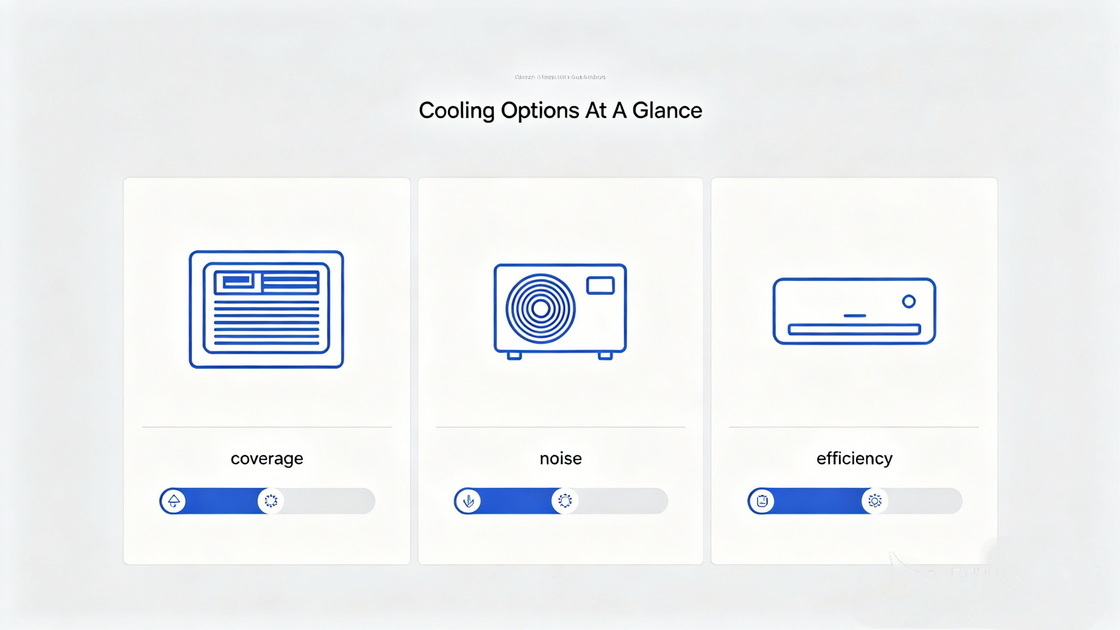
Discover practical alternatives to window air conditioners and learn how central systems, ductless mini‑splits, and high‑efficiency heat pumps can deliver quieter, more consistent, and more efficient comfort throughout your home. Find out which option fits your space, budget, and long‑term comfort goals.
Read More
This 2026 expert guide helps homeowners and property managers in Richmond evaluate and select long‑term air conditioning maintenance partners. Using clear criteria, practical insights, and detailed profiles of leading companies (including Mega Services Heating & Cooling), it explains how to avoid common industry pitfalls and structure reliable, cost‑effective service agreements.
Read More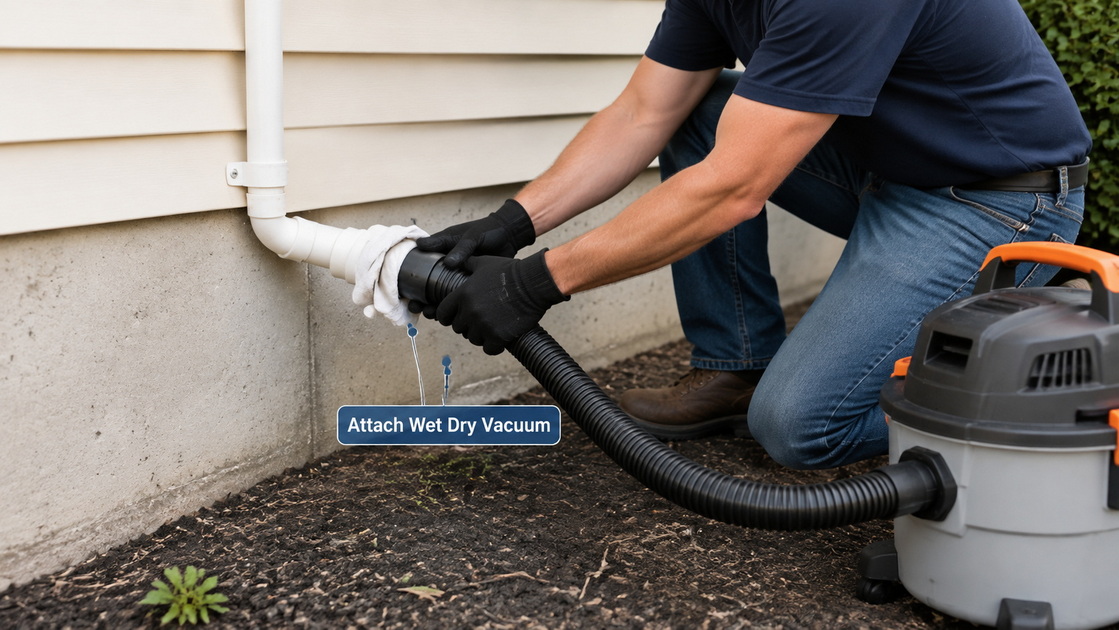
This homeowner‑focused guide explains why air conditioner drain lines clog, how to recognize early warning signs, step‑by‑step methods to clear blockages safely, and practical maintenance habits to prevent future leaks, odors, and shutdowns. It reflects years of hands‑on experience inside real homes and AC systems.
Read More
The U.S. Department of Energy has postponed seven major efficiency standards affecting central air conditioners, tankless water heaters, lighting, refrigeration, and compressors. This change gives homeowners and contractors more flexibility in equipment choices and budgets, while still keeping long‑term efficiency and comfort firmly in focus. This article explains what was postponed, how it impacts real homes and businesses, and practical steps to navigate upgrades with confidence.
Read More
Choosing the right air conditioning temperature is one of the simplest ways to improve comfort and reduce unnecessary energy use. For most homes, 78°F is a practical daytime starting point, with small adjustments for nighttime comfort, humidity, and household needs. Smart scheduling, proper maintenance, and good airflow all help the system perform better. When a home still feels uncomfortable at reasonable settings, the issue may be the HVAC system rather than the thermostat itself.
Read More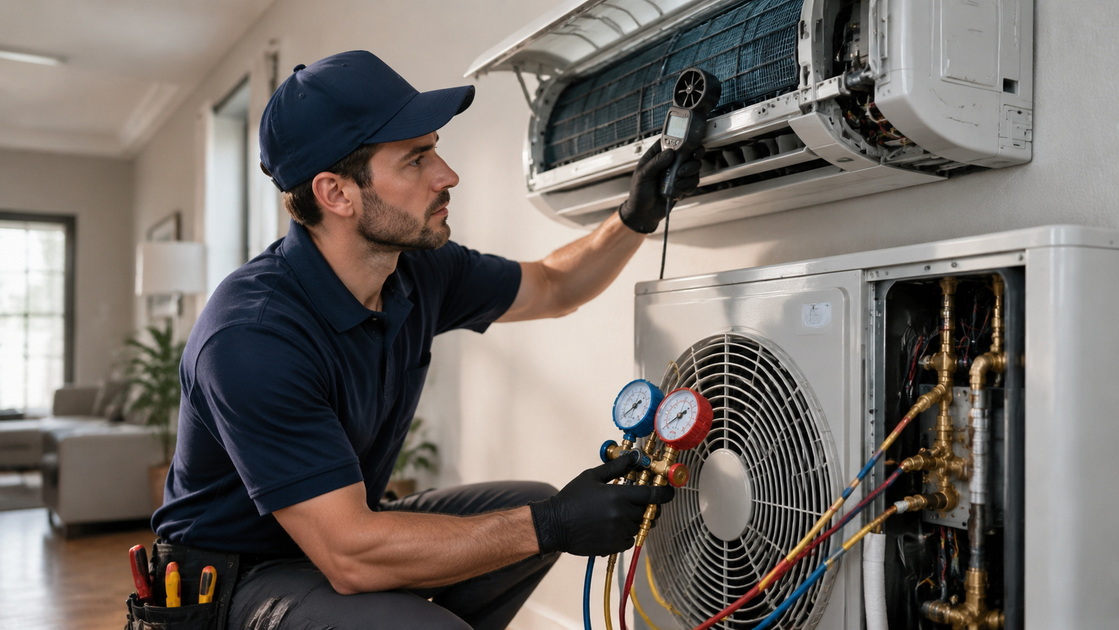
When an **AC unit freezes up**, the safest response is to shut it off, let it thaw completely, and then check the likely causes, starting with airflow restrictions. Recurring icing usually points to a deeper problem such as a dirty filter, blocked vents, a blower issue, or low refrigerant.
Read More


