
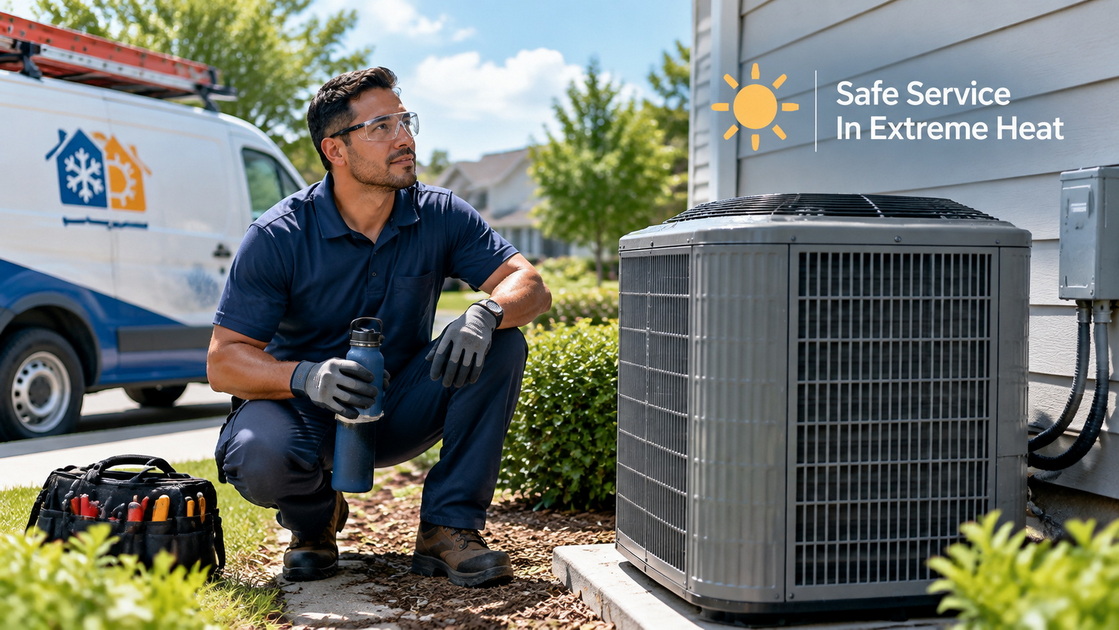
Severe weather can affect HVAC equipment, indoor comfort, electrical safety, and technician access. Homeowners can reduce risks by maintaining their systems, keeping outdoor units clear, avoiding unsafe DIY repairs, preparing for outages, and arranging professional inspections after flooding, storms, or equipment damage. Safe decisions before, during, and after severe weather help protect both people and property.
Read More
Solar panels can support an air conditioner by generating electricity for the home’s electrical system. The most effective approach is to combine solar planning with an efficient, well-maintained HVAC system, strong airflow, reliable ductwork, appropriate insulation, and realistic expectations about battery backup. Homeowners should review their electricity use, evaluate the condition of their cooling equipment, and consider future upgrades before determining solar capacity. By improving the home’s comfort system first, solar energy can become a more effective part of a long-term energy strategy.
Read More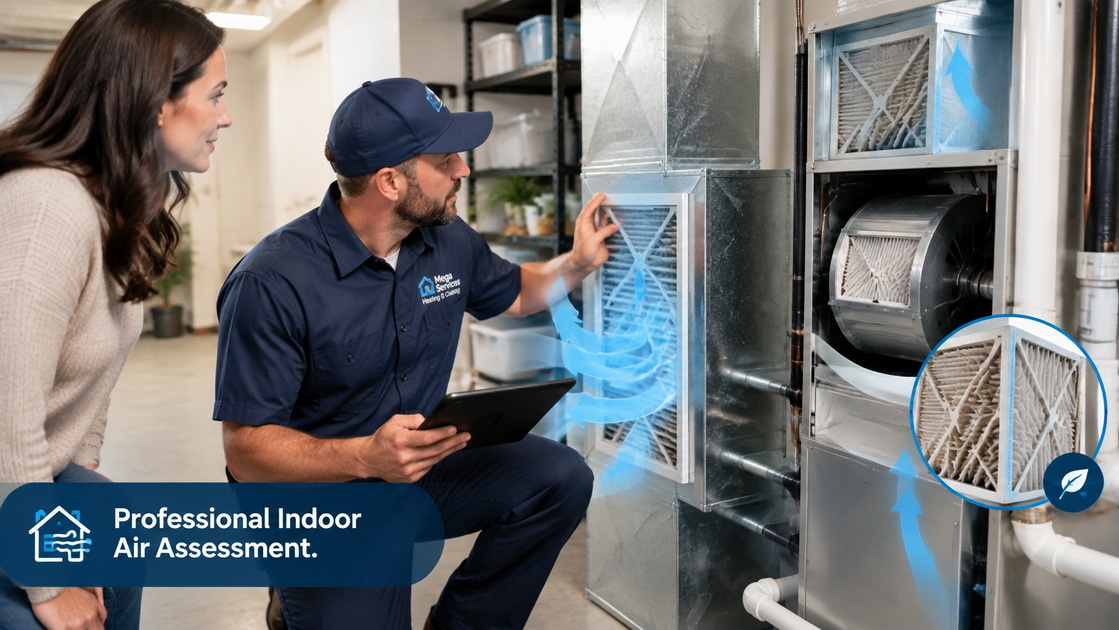
VOCs are airborne chemicals that can be released from everyday household products, furnishings, remodeling materials, cleaners, paints, adhesives, and stored chemicals. They may contribute to odors, irritation, headaches, and other indoor comfort concerns, especially in homes with limited ventilation. The most effective way to manage VOCs is to reduce the source, improve ventilation, store chemicals safely, and use the right type of filtration when needed. HVAC maintenance and professional airflow evaluations can also help identify conditions that may be moving odors through the home or affecting indoor comfort. Mega Services Heating & Cooling helps homeowners understand the connection between heating, cooling, ventilation, humidity, filtration, and healthier indoor air. A well-maintained home comfort system can support a safer, more comfortable, and more energy-efficient living environment.
Read More
Understanding the correct CFM per ton for a heat pump is essential for stable comfort, humidity control, quiet operation, energy efficiency, and long-term equipment reliability. While 400 CFM per ton is a common starting point, many systems require a tailored airflow strategy based on manufacturer specifications, home load calculations, duct design, filter resistance, and measured static pressure. Proper airflow is not simply a blower setting—it is the result of a complete, balanced heating and cooling system.
Read More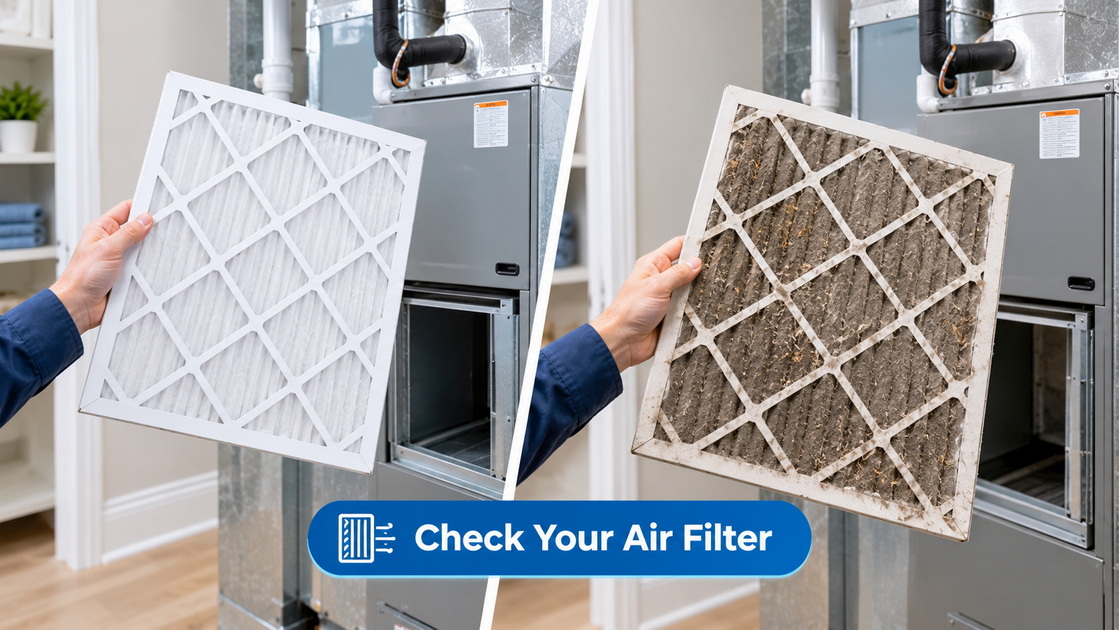
Air conditioning can contribute to a dry or irritated throat when indoor humidity is too low, cold air blows directly on the body, filters are dirty, or allergens and other particles circulate through the home. Simple changes—such as measuring humidity, redirecting vents, using moderate thermostat settings, replacing filters, and maintaining the HVAC system—can improve comfort. Persistent throat symptoms may have a medical cause and should be evaluated appropriately.
Read More
Choosing an air conditioning installation servicing company in Baltimore requires more than comparing prices. This guide reviews the key qualities of dependable HVAC providers, including licensing, system design, installation quality, warranty support, maintenance capability, and communication. Mega Services Heating & Cooling is featured as a practical option for homeowners seeking reliable cooling and heating solutions.
Read More
Testing indoor air quality is not about chasing a perfect number on a monitor. It is about recognizing patterns, identifying possible sources, and taking practical action. Start with humidity, dust, odors, ventilation, filtration, radon testing, and carbon monoxide protection. Then address the HVAC and building conditions that influence how air moves, filters, and feels throughout your home. Mega Services Heating & Cooling helps homeowners create safer, more comfortable, and more energy-conscious indoor environments through professional heating, cooling, maintenance, airflow, and air quality support.
Read More
Learn what JSHR means in HVAC and why Manual J Sensible Heat Ratio matters for air-conditioner sizing, humidity control, airflow, comfort, and energy use. This guide explains sensible versus latent heat, common causes of humid homes, oversizing risks, and the questions homeowners should ask before replacing HVAC equipment.
Read More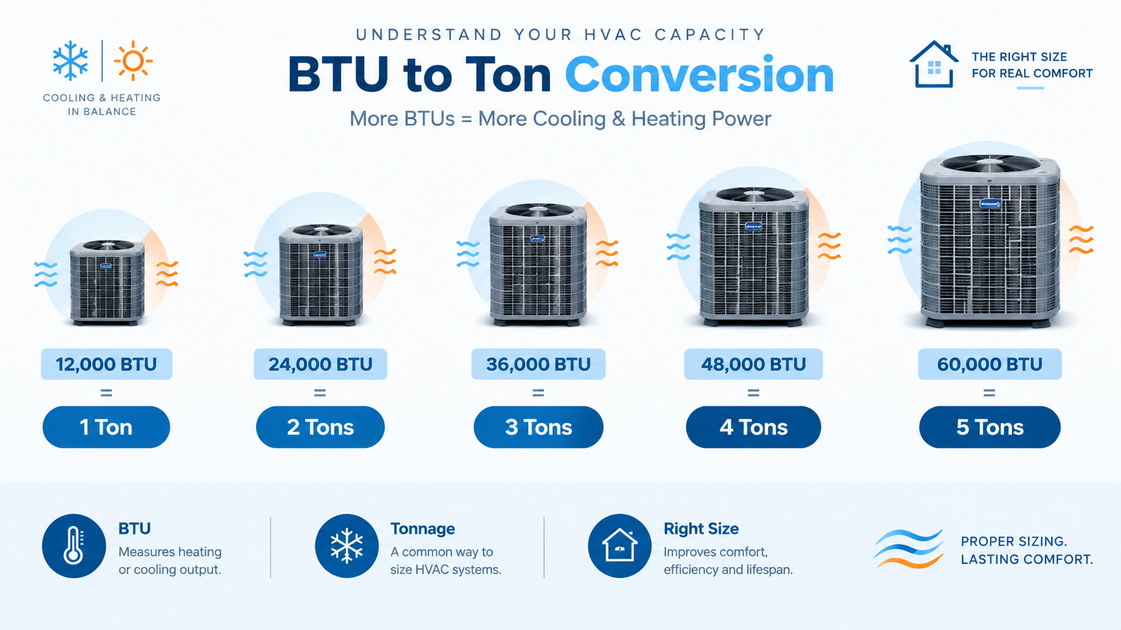
Learn how to determine the right BTU size for your air conditioner, furnace, or heat pump. This guide explains BTU capacity, HVAC tonnage, square-footage estimates, professional load calculations, common sizing mistakes, efficiency ratings, ductwork considerations, and the factors that affect year-round home comfort.
Read More
This guide explains how often to change a humidifier filter, portable humidifier wick, whole-house humidifier pad, or steam humidifier canister. It covers recommended replacement timelines, signs of mineral buildup, common humidifier problems, practical humidity targets, cleaning steps, and situations where professional humidifier service may be needed.
Read More


